
Livraison le jour même ou le lendemain

Qualité garantie

Débloquez vos offres de bienvenue: Livraison GRATUITE | Jusqu'à -80 % | 30 jours d'essai gratuits à JoyPlus
Téléchargez l'application
Providing your cat with high-quality food that's perfectly suited to their carnivorous needs is every owner's priority. The market for grain-free cat p?té is booming, but so are the sometimes-misleading marketing claims. Our mission: to help you cut through the noise and make the best choice for your companion's health.
But when faced with physical or virtual shelves overflowing with promises, finding the right product can be a real challenge. Here are the two most common pitfalls to avoid:
To make the right choice, there's only one method: rely on the facts. Your best ally? The label, provided you know how to decipher it. Here are the three points to examine closely.
The rule is simple: ingredients are listed in descending order by weight. The first item on the list is therefore the most abundant.
This often-overlooked table is actually a goldmine of information for assessing nutritional balance.
A cat's needs are not the same at 6 months, 5 years, or 15 years.
To put theory into practice, here are some products that perfectly illustrate our selection criteria, each meeting a specific need.
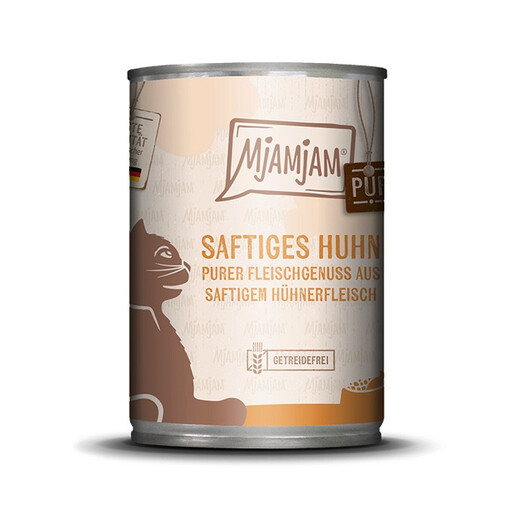
Why this product stands out: Perfect for owners who demand a short, crystal-clear ingredient list. This recipe gets straight to the point: a single protein source of the highest quality.
Transparency is absolute: 71% chicken (meat, heart, liver, gizzard) and 28% broth. There are no vague terms, avoiding the pitfall of unclear compositions.
A very high meat content and a pure single-protein formula: grain-free, with no added sugar or preservatives. The ultimate simple and digestible recipe.
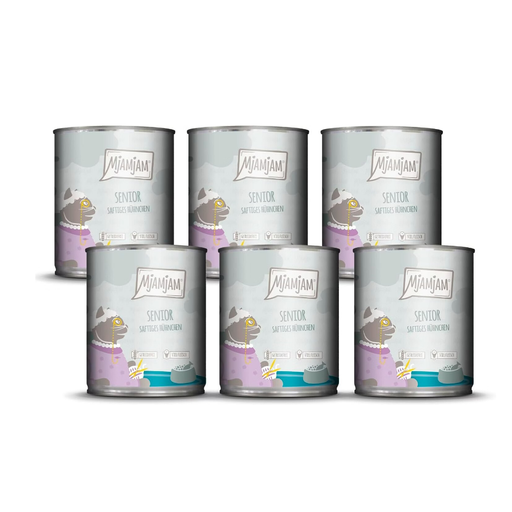
Why this product stands out: A recipe designed for owners dedicated to supporting their ageing cat. This senior cat p?té is more than just a meal; it's true nutritional care, thanks to its functional ingredients.
It goes far beyond simply being "grain-free." It provides real added value with salmon oil and green-lipped mussel, two ingredients renowned for their joint support.
An enriched formula to preserve the mobility and vitality of older cats, built on an ultra-high-quality base of 70% chicken.
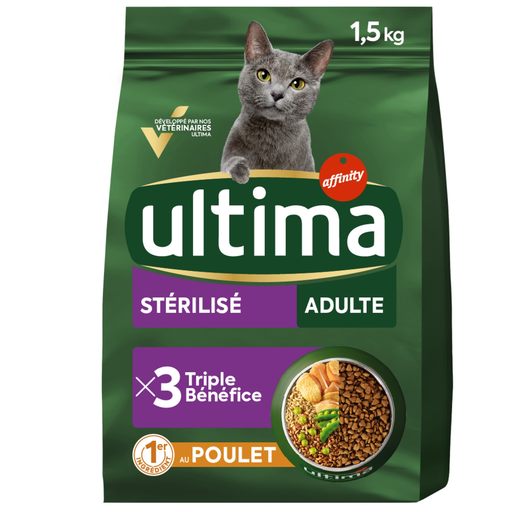
Why this product stands out: An excellent dry cat food option for owners of sterilised cats, perfect for mixed feeding. The formula tackles two key concerns: weight gain and urinary health.
It doesn't just settle for a vague "for adult cats" label. It precisely meets post-sterilisation needs with a controlled fat content (12%) and a mineral balance optimised for the urinary system.
A targeted dual action for weight control and urinary protection, all while maintaining muscle mass thanks to chicken (17%) as the main ingredient.
We have gathered all the products that meet our rigorous selection criteria and current regulations for you.
A "grain-free" p?té is guaranteed to be free of wheat, corn, or rice. However, it can still contain other starch sources like potatoes, chickpeas, or sweet potatoes. A truly "low-carb" diet goes a step further: it eliminates grains AND severely limits these substitutes to prioritise protein and healthy fats, more closely mimicking a cat's natural diet.
To avoid upsetting their digestive system, the change must be gradual. The secret is to mix the new wet food with the old one over 7 to 10 days. Start with a small spoonful, then increase the amount each day until the food is completely replaced. Keep an eye on their stool and behaviour throughout the transition.
A complete and balanced p?té can easily be your cat's sole source of nutrition. It's even ideal for their hydration. Mixed feeding (a combination of wet food and kibble) is also an excellent strategy. It combines the best of both worlds: the hydration from wet food and the "toothbrush" effect of kibble, in addition to its convenience. Ultimately, the choice depends mainly on your cat's preferences and your routine.