
Livraison le jour même ou le lendemain

Qualité garantie

Débloquez vos offres de bienvenue: Livraison GRATUITE | Jusqu'à -80 % | 30 jours d'essai gratuits à JoyPlus
Téléchargez l'application
Grain-free cat food is more popular than ever, and for good reason. But with ever-expanding store shelves, how do you sort through the options?? Whether you're looking to honour their carnivorous diet, soothe a sensitive stomach, or simply provide the very best, deciphering labels can quickly become a headache.
This guide is here to give you clear, objective insights. As a product expert at Joybuy, my mission is to help you see things more clearly, cutting through the marketing jargon.
Before we dive into our top picks, here are the key criteria for judging the quality of grain-free cat food for yourself.
It all comes down to the ingredient list. To respect your cat's carnivorous nature, the list must begin with a clearly identified animal protein source (e.g., "fresh chicken," "dehydrated lamb"). Avoid vague terms like "animal by-products."
A high-protein cat food is a good sign, but the source of that protein is even more important. A high percentage from quality meats will always be better than a number inflated by plant-based proteins, which are much less digestible for our feline friends.
"Grain-free" doesn't mean "carbohydrate-free." Wheat or corn are simply replaced by other starch sources like peas, lentils, or potatoes. These ingredients provide energy and are essential for binding the kibble and giving it its shape.
For a cat with a sensitive stomach, it's crucial to look at the type and proportion of these substitutes. Additions like pumpkin or psyllium are a bonus for their gentle fibre content, which promotes smooth digestion.
You can't change your cat's food overnight! To avoid upsetting their digestive system, a gradual transition is essential. Plan for a period of at least 7 to 10 days, mixing the old and new food and gradually increasing the proportion of the new one.
We've selected adult cat foods that stand out for their high-quality ingredients and transparent formulas.
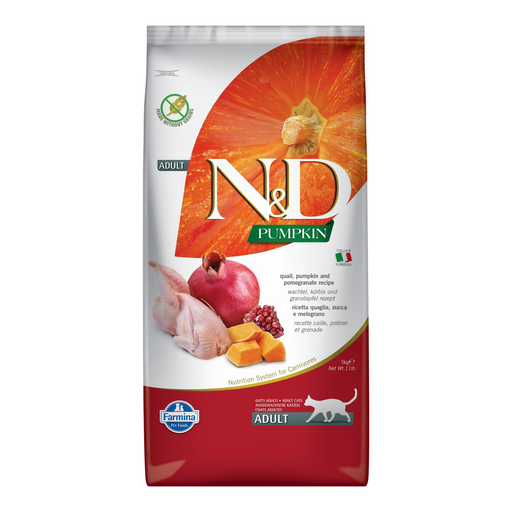
Key Feature: This recipe features quail, a novel and uncommon protein. It's an excellent alternative for cats sensitive to more traditional meats (chicken, beef). The formula boasts 58% quail (fresh and dehydrated), placing animal protein at the top of the list.
The Pros:
Who is it for? For adult cats whose owners are looking for a natural diet rich in quality protein to maintain muscle mass, with an unconventional meat source.
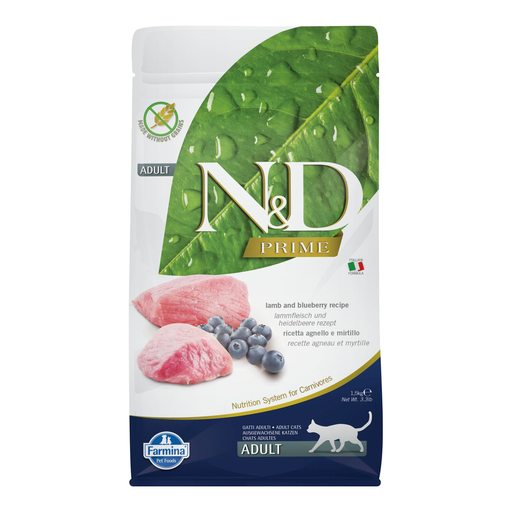
Key Feature: Here, lamb is king, making up a total of 54% (fresh and dehydrated). The recipe also includes nutrients for joint support, making it a smart choice for particularly active or senior cats.
The Pros:
Who is it for? Ideal for adult cats, whether they are very active or you simply want to support their joint health long-term.
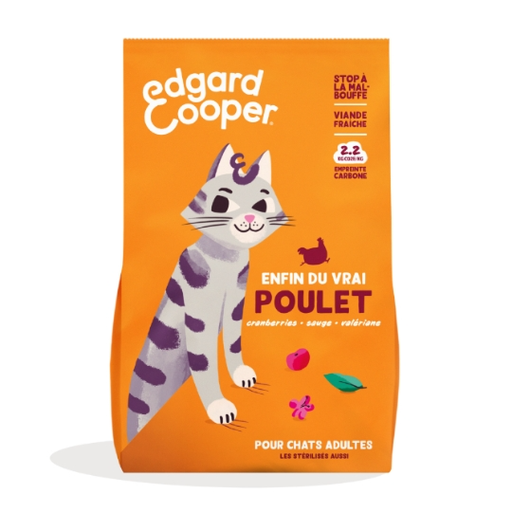
Key Feature: The brand stands out by using 50% fresh, free-run chicken, a compelling point for those who value animal welfare and traceability. The recipe is intentionally simple, with no artificial additives or added sugars.
The Pros:
Who is it for? For owners who prioritise fresh ingredients and a simple recipe focused on digestive comfort. An excellent choice for a cat with a sensitive stomach.
Every cat is unique, and the choice of food depends on their tastes, health, and activity level. If our selection doesn't perfectly match what you're looking for, don't worry: many other options are available.
Feel free to explore our full range to find the perfect gem that will delight your companion's taste buds and meet their needs.
Discover Our Full Range of Adult Cat Food
The idea is to get as close as possible to a cat's natural diet, as they are obligate carnivores by nature. For some felines, especially those with sensitive digestion or skin allergies, removing grains (wheat, corn, etc.) can genuinely improve their daily comfort and skin health. However, keep in mind that every cat is unique, and results may vary.
Absolutely. Grain-free cat food is perfectly suitable for a sterilised cat. The main challenge with a sterilised cat is weight management, as their metabolism tends to slow down. It is therefore crucial to strictly follow the daily feeding guidelines on the package and adjust them as needed while monitoring your pet's weight. Many formulas are also designed with a balanced protein-to-fat ratio to address this.
The key word: gradually. For a successful transition, spread the change over 7 to 10 days: