
Livraison le jour même ou le lendemain

Qualité garantie

Débloquez vos offres de bienvenue: Livraison GRATUITE | Jusqu'à -80 % | 30 jours d'essai gratuits à JoyPlus
Téléchargez l'application
Between chocolate biscuits, filled cookies, imported wafers and savoury biscuits, there is no shortage of choice in France. But an appetising photo or a promise of an “original” recipe is not always enough. To avoid disappointment, it is best to take a close look at the ingredients, format and intended use before placing your order.
A family-sized pack may seem better value, but it may also contain more biscuits than you can eat before they go soft. For occasional consumption, a 50 to 100 g pack helps to reduce waste. Larger packs make more sense for sharing or in a household where biscuits are eaten regularly.
Always compare the net weight, price per kilogram and shelf life after opening. A 403 g pack does not meet the same need as an individual 50 g snack, even if both products belong to the same category.
“Chocolate”, “pistachio”, “matcha” or “salted caramel” may refer to a filling, cocoa powder or simply a flavouring. The ingredients list helps you tell the difference between a cocoa biscuit and a cookie that is genuinely rich in chocolate.
For filled biscuits, also check the proportion of cream. American Bakery Cookies & Cream, for example, states 29 % filling and 4.5 % low-fat cocoa. This is far more informative than the packaging image.
Sweet biscuits often contain wheat, milk, soya or nuts. Savoury recipes may also contain eggs, sesame or cheese. If you have an allergy, pay close attention to the warning “may contain traces of”.
Once the pack has been opened, moisture can quickly destroy the crunch. Wafers and filled cookies should generally be stored in a dry place, then kept in an airtight container or a carefully resealed bag.
The type of biscuit already gives you a good idea of the experience to expect:
Ingredients are listed in descending order by weight. When a filling or chocolate appears fairly high on the list, it generally represents a significant proportion of the recipe. However, to compare two products accurately, rely on the percentages provided by the manufacturer.
The European nutrition table shows values per 100 g: energy, fat, saturates, carbohydrate, sugars, protein and salt. This makes it easier to compare two products, but it does not necessarily reflect the amount actually eaten in one sitting.
For guidance, LU Granola Cookies with chocolate pieces contain 503 kcal, 26 g of fat and 36 g of sugars per 100 g. Figures can vary considerably depending on the recipe and the amount of filling. So check both the nutrition table and the number of biscuits in the pack.
For a coffee break at work or a snack to put in your bag, small formats such as the Stitch Filled Biscuit Chocolate Flavor 50 g, the MILKA Cookies Sensation 52 g or Hokka Doraemon biscuits 50 g are particularly practical.
For a family gathering, a cupboard staple or sharing with others, packs from 184 to 799 g are more suitable. Even so, remember to check the condition of the bag, the best-before date and the storage instructions shown on the packaging.
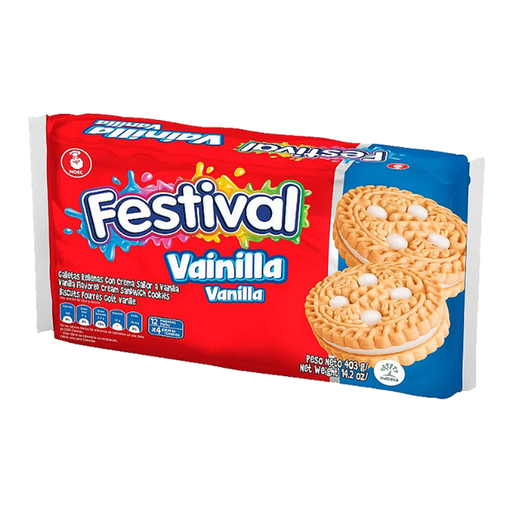
Why this choice suits this profile : At 403 g, this pack lets you discover vanilla biscuits and share them without building up a collection of small individual packs.
The net weight is clearly stated, and the vanilla flavour is an approachable choice if you prefer to avoid overly unusual combinations.
A 403 g format, a crunchy texture and a vanilla flavour, with values given per 100 g, including 460 kcal and 0.58 g of salt.
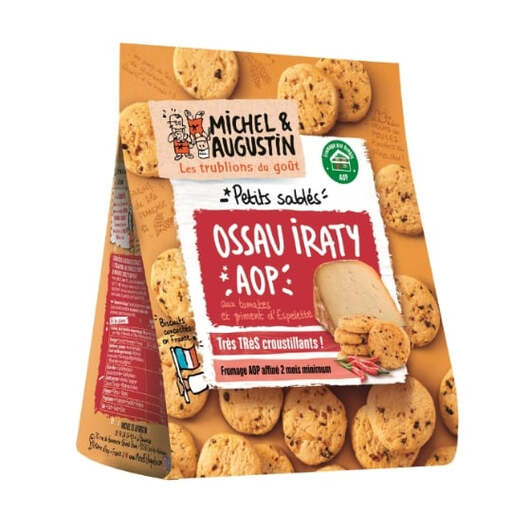
Why this choice suits this profile : This product is aimed at those who enjoy a carefully crafted savoury snack for aperitifs, rather than shoppers looking for a classic sweet biscuit.
The ingredients list details the proportions of butter, Ossau-Iraty PDO cheese, tomato and Espelette pepper, rather than relying on a vague flavour promise.
29.6 % butter, 10 % PDO cheese and 100 g net contents; a recipe made in France according to the information provided for the product.
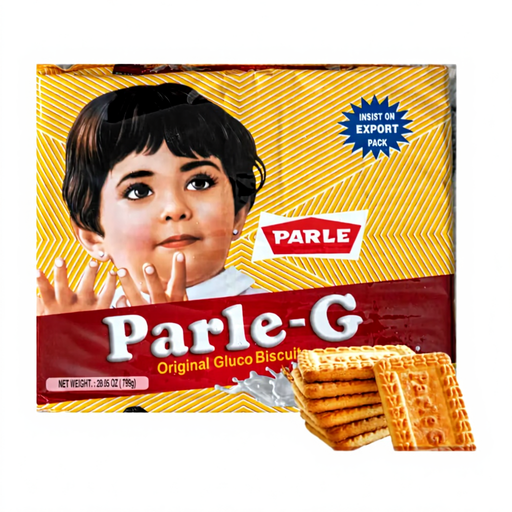
Why this choice suits this profile : At 799 g, this pack is suitable for a household where family biscuits regularly accompany breakfast, an afternoon snack or a hot drink.
Here, the large format is genuinely suited to sharing or keeping in reserve, rather than being an unnecessarily oversized individual purchase.
799 g, a crisp texture and a straightforward recipe, with 451 kcal and 0.73 g of salt per 100 g according to the product details.
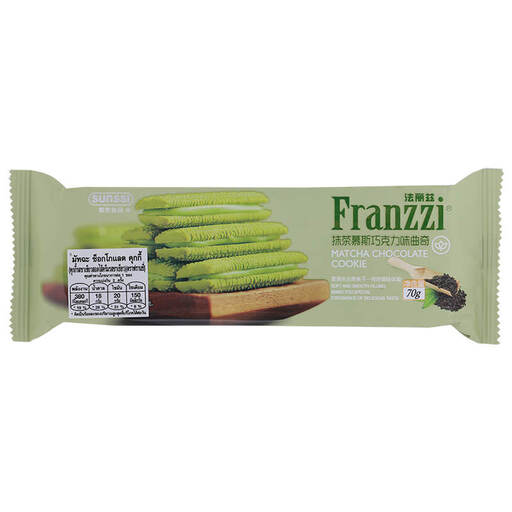
Why this choice suits this profile : The combination of matcha and chocolate offers something different from traditional chocolate biscuits, while the 70 g format is ideal for a first taste.
The small pack means you are not left with a large quantity of an unusual flavour that may ultimately not suit your tastes.
A matcha and chocolate combination, a 70 g pack and a format that is easy to enjoy with tea or coffee.
We have put together a complete, real-time updated selection of products that meet these demanding selection criteria and European food safety requirements.
At breakfast, sturdy family biscuits are easy to enjoy with milk, coffee or tea. Chocolate cookies and filled biscuits are better suited to a tempting snack, while individual formats slip easily into a bag or lunchbox.
For an aperitif, choose savoury biscuits and keep an eye on their salt content. Ramdam Social’s Comté and sesame shortbreads, for example, contain 19 % Comté, with 1.9 g of salt per 100 g. This information makes it possible to compare them with other savoury biscuits without relying solely on marketing claims.
Imported biscuits can also introduce you to less familiar flavours, such as matcha, pistachio or certain Asian specialities. Before ordering, check that the labelling is available in French, then check the allergens, country of origin and, where provided, the contact details of the responsible operator in the European Union.
A plain biscuit, shortbread biscuit or small cookie pairs easily with a hot drink. To choose between two products, compare the net weight, stated texture and the amount of chocolate or filling mentioned in the ingredients list.
It depends on the packaging and the manufacturer’s recommendations. In all cases, carefully reseal the bag or transfer the biscuits to an airtight container, away from heat and moisture. Wafers and filled products often lose their crunch more quickly once opened.
Read the full ingredients list and allergen declaration carefully, as these are usually highlighted. Wheat, milk, soya, eggs, peanuts, nuts and sesame are common in this category. If in doubt, rely on the labelling on the pack you receive: it takes precedence over any online product presentation.