
Livraison le jour même ou le lendemain

Qualité garantie

Débloquez vos offres de bienvenue: Livraison GRATUITE | Jusqu'à -80 % | 30 jours d'essai gratuits à JoyPlus
Téléchargez l'application
Korean cuisine is captivating palates, and at the heart of its unique flavours is an essential condiment: gochujang. This fermented Korean chili paste, which is simultaneously spicy, salty, and slightly sweet, is the secret weapon behind many iconic dishes. But with ever-expanding store shelves, how do you find the right one? This guide is here to help you decode the labels and buy the gochujang that will elevate your cooking.
Whether you're a curious newcomer or a bibimbap expert, these key points will help you make the right choice. Understanding these nuances is the key to selecting a product that perfectly suits your tastes.
Gochujang primarily comes in two forms. On one hand, there's the traditional paste, which is thick and concentrated. It's the foundational ingredient for marinades (bulgogi), stews (jjigae), or the famous homemade gochujang recipe for bibimbap sauce. On the other hand, you'll find products like vinegared Korean chili sauce, which are more liquid and already seasoned. They are perfect as a dipping sauce or vinaigrette, offering a ready-to-use solution for maximum flavour with minimum effort.
The traditional gochujang recipe usually contains wheat. If you follow a gluten-free diet, you'll need to check the label. The good news is that gluten-free gochujang options are available. They swap wheat flour for rice flour, making this cornerstone of Korean cuisine accessible to everyone. Also, be sure to check for soy, another common allergen.
All gochujang has a kick, but the intensity varies. Some, enriched with corn syrup or other sugars, offer a rounder profile and a milder heat. Others are more rustic, focusing on the saltiness and the power of the chili. For a first tasting, a gochujang with a well-balanced profile is often a safe bet.
To guide you, here is our selection of three products with distinct profiles, from the most classic to the most specialised.
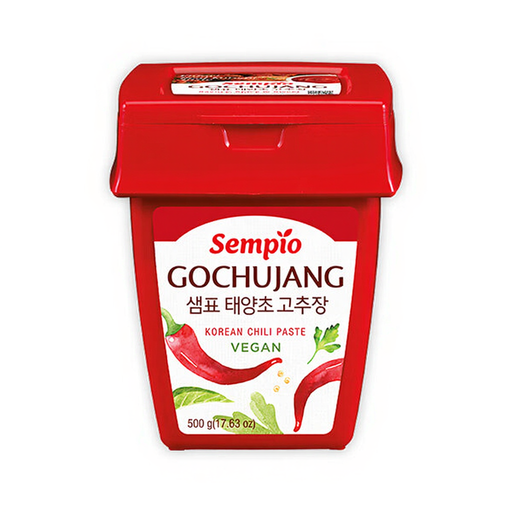
Why it stands out: Sempio's gochujang is THE gold standard for anyone seeking authenticity and versatility. Its thick texture and deep red colour are the hallmarks of traditional gochujang. It's the ideal starting point for venturing into the world of Korean cuisine.
Pros:
Who is it for? For home cooks who want an all-purpose gochujang, perfect for both beginners and for mastering a wide variety of traditional recipes.
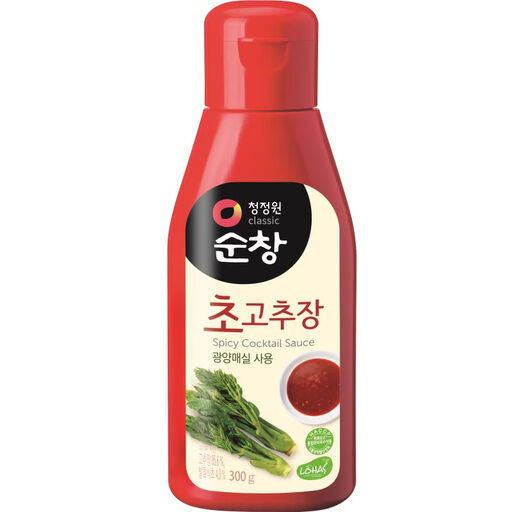
Why it stands out: What makes this sauce special? The addition of vinegar, which brings a tangy and very refreshing touch. More liquid than a classic paste, it's ready to use and offers immediate aromatic complexity.
Pros:
Who is it for? For those looking for a quick way to spice up their dishes, and for fans of sweet and sour flavours who don't want the hassle of making a sauce from scratch.
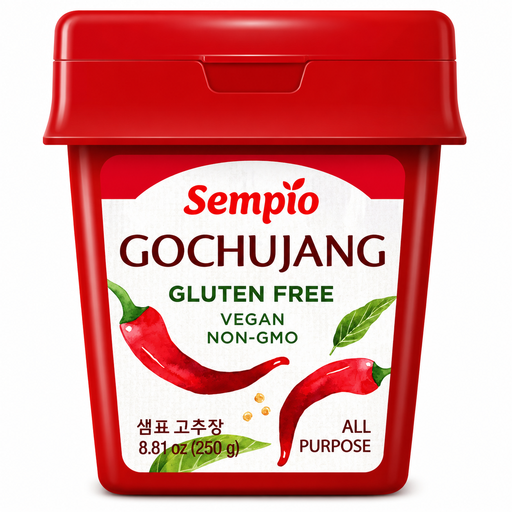
Why it stands out: Sempio offers a gluten-free gochujang version of its classic so that everyone, including those with intolerances, can enjoy Korean flavours. Made from fermented rice paste, it retains the rich and complex taste profile of the original recipe.
Pros:
Who is it for? An essential for people with celiac disease or gluten sensitivity, but also for anyone who wants a wheat-free alternative without sacrificing the authenticity of this Korean condiment.
Our selection is just a starting point. The world of Korean condiments is incredibly rich. If you want to explore other varieties of gochujang or discover its cousins, doenjang (soybean paste) and ssamjang (dipping paste for wraps), our full catalogue is here to satisfy your curiosity.
Discover our full range of Korean pastes
Gochujang is a fermented Korean chili paste. It traditionally contains red chili powder (gochugaru), glutinous rice, fermented soybean powder (meju), and salt. The fermentation process gives it its complex and deep flavour, which is spicy, slightly sweet, and rich in umami (that famous fifth savoury taste).
Once the container is open, it belongs in the refrigerator! Thanks to the salt and fermentation, it can be stored for months, or even over a year. Just be sure to close the lid tightly to prevent it from drying out. Its colour may darken over time: this is a natural oxidation that does not affect its quality.
Of course! It's all a matter of quantity. To control the heat, start with a small amount and adjust to your taste. The chef's trick? Balance it with milder ingredients like sugar, honey, maple syrup, soy sauce, or sesame oil. Not only does this tame the chili's heat, but it also enriches the overall flavour of your dish.