
Livraison le jour même ou le lendemain

Qualité garantie

Débloquez vos offres de bienvenue: Livraison GRATUITE | Jusqu'à -80 % | 30 jours d'essai gratuits à JoyPlus
Téléchargez l'application
Are you looking for Korean gochujang chilli paste to make bibimbap, tteokbokki or a Korean marinade? At first glance, the choice seems straightforward. However, the ingredients, the size and the type of dish the product is intended for have a direct impact on flavour, storage and price.
Some products are versatile fermented pastes. Others are already prepared as a bibimbap sauce or marinade. Here are the points to check before you order, along with a selection suited to different uses.
The term gochujang generally refers to a Korean red chilli paste made from chilli, rice or grains, soybeans and fermented ingredients. However, some products are ready-to-use sauces, with added vinegar, sugar, sesame oil or fruit extracts.
A bibimbap sauce is convenient to pour straight over rice and vegetables. However, it won't behave exactly like a fermented chilli paste in a jjigae, a marinade or a homemade sauce.
The packaging and marketing claims alone aren't enough to tell you whether an authentic gochujang will meet your expectations. Instead, look at the ingredients list, the country of manufacture, the proportion of chilli powder if stated, and the presence of rice, soybeans or koji.
Recipes can vary significantly in terms of heat, sugar and salt. Two jars of the same weight can therefore offer a very different taste experience.
A 170g gochujang jar is ideal for a first try or occasional use. A 500g or 1kg size will be more economical if you cook regularly, but it needs enough space in the fridge and proper storage after opening.
Most product pages recommend storing the opened jar in the fridge. Always check the label on the product you receive, its best-before date and the manufacturer's instructions.
For a versatile paste, choose one that typically contains red chilli powder, rice or rice flour, soybeans, salt and fermented ingredients. The profile you're looking for combines chilli heat, a slight sweetness and deep umami.
Not all recipes are interchangeable. BIBIGO 500g contains corn syrup, red chilli powder, rice, soybeans and koji containing wheat. Sempio 170g, on the other hand, lists a base of rice paste, chilli powder and soybean paste.
The nutritional values offer a concrete way to compare different products. As a guide, the available product pages show around 22 to 25g of sugars per 100g for several Sempio and BIBIGO products. The salt content is around 4.6 to 6.6g, depending on the recipe.
These figures alone won't predict the taste, but they help you gauge how much to use in your dishes. For a homemade sauce, start with a small spoonful, then adjust with water, rice vinegar, sesame oil or soy sauce according to the recipe.
Soy and wheat are present in many gochujang recipes. Some products also contain mustard or sesame. Read the labelling carefully, especially if you have an allergy or intolerance.
When it comes to budget, compare the price per kilogram rather than the price of the jar alone. A 500g gochujang or a 1kg gochujang can reduce the cost per gram, provided you use it up before its quality starts to decline after opening.
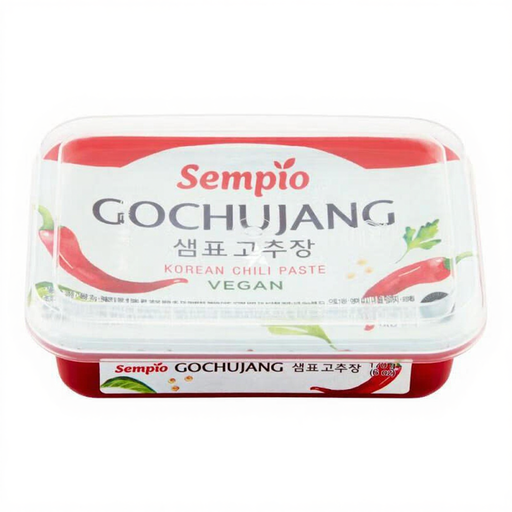
Why this choice suits this profile: Its small size lets you discover this Korean condiment without cluttering up the fridge or investing in a large jar from the start.
The limited quantity reduces the risk of buying a large jar before you know what level of heat and sweetness you prefer.
The product page lists a base of rice paste, chilli powder and soybean paste. Declared allergens: wheat and soya.
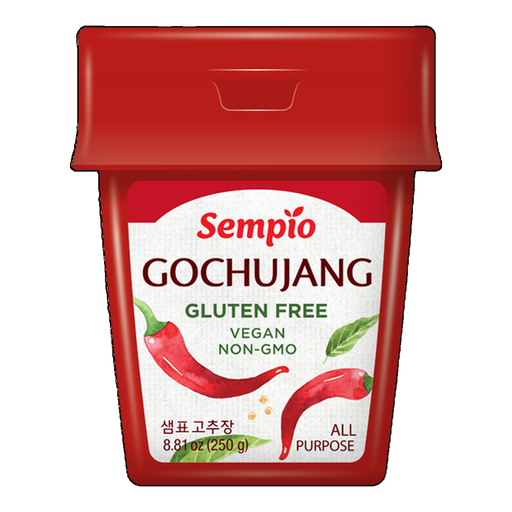
Why this choice suits this profile: Its medium size gives you more freedom in the kitchen while still being a sensible option for a household.
The detailed ingredients list lets you check for rice, red chilli, soya and koji, rather than relying on a simple marketing claim.
The product page states 233 kcal, 42.2g carbohydrates and 6.6g salt per 100g. Allergens: soya and wheat.
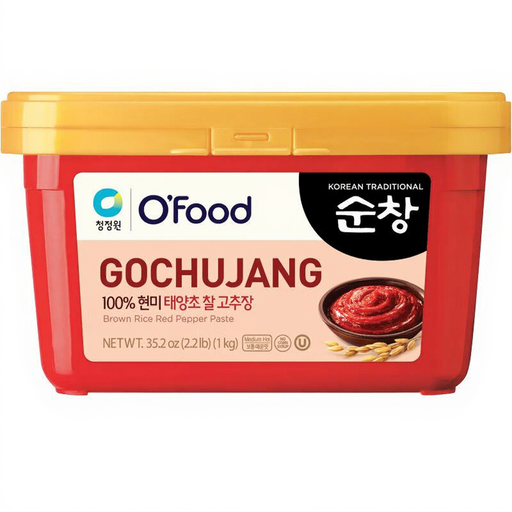
Why this choice suits this profile: This large size is aimed at households that cook Korean food often, as well as small catering businesses.
The weight is clearly stated and the product page specifies that it must be refrigerated after opening, which helps you assess how much you actually need.
The product page states 11% red chilli powder and recommends the product for bibimbap, tteokbokki, marinades and stews.
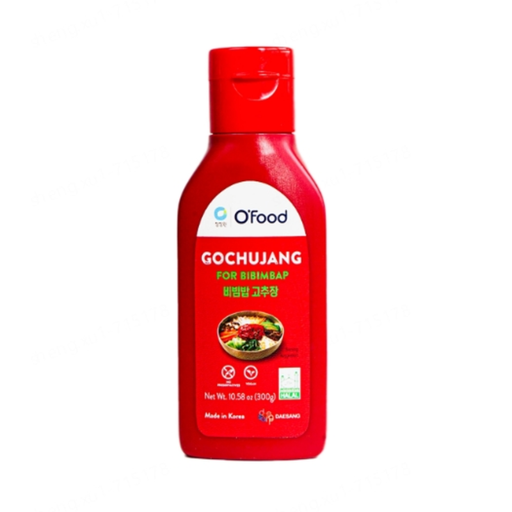
Why this choice suits this profile: This sauce is designed to be used straight away with rice, vegetables, stir-fries or as a side dip.
Its name clearly states it's a bibimbap sauce, so there's no chance of confusing it with a plain paste that you'd need to measure yourself.
A 300g size, with garlic, onion, soybean paste, sesame oil and mustard in the ingredients.
We've put together a complete, real-time updated selection of products that meet these demanding criteria and European safety regulations.
The intensity varies depending on the recipe and the amount of chilli powder used. Gochujang often offers a balance between heat, sweetness and umami. Start by adding a small amount, especially in a soup or sauce.
The shelf life depends on the label and the manufacturer. Many product pages recommend refrigerating the product after opening. Follow the date given, check the smell, appearance and texture, and always use a clean spoon.
The 170g size is suitable for occasional use. The 500g size is ideal for regular preparation of bibimbap, tteokbokki and marinades. The 1kg size becomes worthwhile for frequent or professional use, provided you use it up quickly enough.