
Livraison le jour même ou le lendemain

Qualité garantie

Débloquez vos offres de bienvenue: Livraison GRATUITE | Jusqu'à -80 % | 30 jours d'essai gratuits à JoyPlus
Téléchargez l'application
Are you fascinated by the unique, soft, and chewy texture of mochi, coconut balls, and other rice cakes? Do you dream of diving into Japanese pastry or recreating your favourite Asian desserts at home? The secret often lies in one key ingredient: glutinous rice flour.
However, with all the different names and origins, choosing the right one can quickly become overwhelming. Should you opt for Thai or Japanese flour? What's the difference compared to regular rice flour? As a product expert at Joybuy, my mission is to guide you. This guide will help you select the ideal glutinous rice flour and introduce our top picks to get you started.
To perfect your recipes, from mochi dough to coconut balls, a few simple criteria will help you find the ideal product.
Contrary to what its name suggests, glutinous rice flour contains no gluten. The term 'glutinous' simply describes the sticky, elastic texture the dough develops when cooked. This unique property comes from its very high amylopectin content, a type of starch. This makes it an excellent option for gluten-free recipes that require a well-bound, pliable dough. Regular rice flour, on the other hand, lacks this texture and cannot be used as a substitute.
The flour's origin influences its texture and, therefore, its primary use:
To achieve a smooth, uniform dough, opt for a glutinous rice powder with the finest possible grind. A fine powder dissolves better in liquids, prevents lumps, and guarantees the silky, elastic texture that is characteristic of successful rice cakes and mochi.
To help you get started, here are some top recommendations available in our online Asian grocery store.
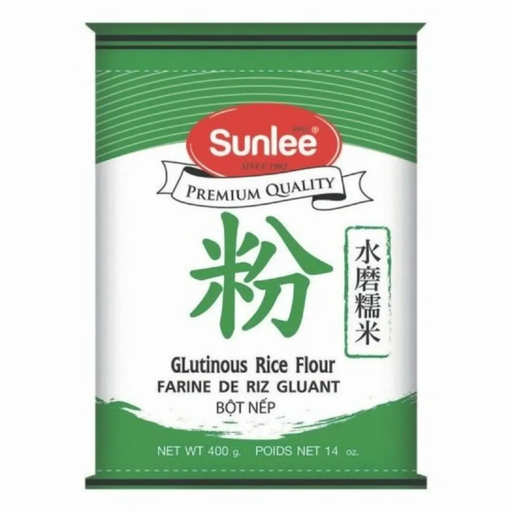
Why we love it: Sunlee glutinous rice flour is a classic from Thailand. Its fine grind and purity make it an excellent partner for a multitude of recipes, both sweet and savoury.
Highlights:
Best for: Home cooks, from beginners to experts, looking for a high-quality, versatile flour to explore a wide range of Asian recipes.
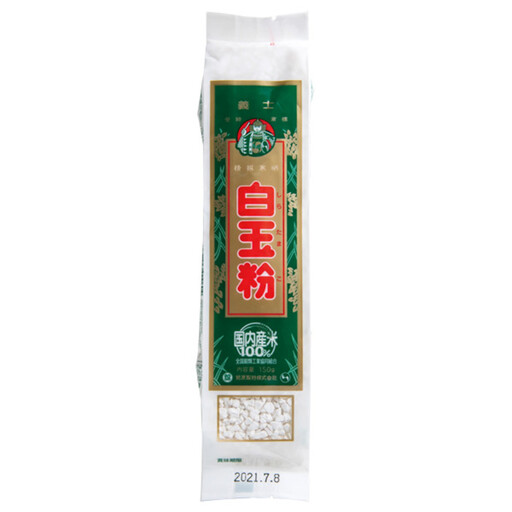
Why we love it: Produced from selected Japanese glutinous rice, this flour offers the perfect fineness and elasticity for preparing delicate pastries like wagashi and daifuku.
Highlights:
Best for: Japanese pastry enthusiasts aiming for an authentic and refined texture for their wagashi.
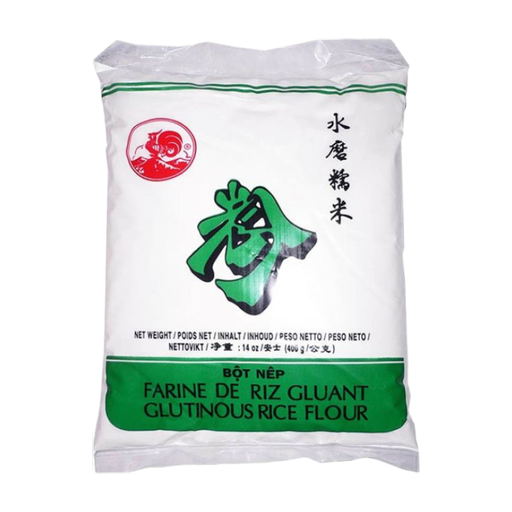
Why we love it: The Cock Brand is a leading name in Thai products. Made from 100% glutinous rice flour, with no additives, it guarantees natural purity and flavour.
Highlights:
Best for: Those who prefer short ingredient lists and are looking for a trusted Thai glutinous rice flour for their desserts and snacks.
This selection is an excellent starting point for your culinary adventures. But the world of flours is vast, and each variety has its own unique characteristics. For pastry, bread, or other recipes, feel free to browse our entire selection.
? Discover our full range of flours on Joybuy.fr
The fundamental difference lies in their starch composition. Glutinous rice flour comes from a variety of rice (glutinous rice) that contains almost exclusively amylopectin, the starch responsible for its sticky and elastic texture when cooked. Regular rice flour, made from long or medium-grain rice, contains a mix of amylopectin and amylose, giving it a drier, non-sticky texture. Therefore, they are not interchangeable in cooking.
Yes, absolutely. The word 'glutinous' only describes its texture and has no connection to gluten, the protein found in wheat, barley, or rye. Glutinous rice flour is therefore naturally gluten-free and is a perfect ingredient for people with celiac disease or gluten sensitivity.
To preserve its freshness and prevent it from absorbing moisture, store it in an airtight container, away from light and heat. A cool, dry cupboard is the ideal place. Once the package is opened, be sure to reseal it tightly or transfer the powder to a container to protect it from pests and prevent clumping.