
Livraison le jour même ou le lendemain

Qualité garantie

Débloquez vos offres de bienvenue: Livraison GRATUITE | Jusqu'à -80 % | 30 jours d'essai gratuits à JoyPlus
Téléchargez l'application
Dreaming of making melt-in-your-mouth mochi, soft coconut balls, or other Asian desserts with that signature texture? The key to success is finding the right base ingredient: glutinous rice flour. But once you're in the store aisle, confusion can quickly set in. Between the different names and similar-looking packages, a small mistake can turn your delicious dream into a culinary disaster.
Before buying glutinous rice flour, it's essential to know the most common pitfalls. Many people mistakenly think that all rice flours are the same, or they buy a product that will never yield the sought-after chewy and sticky texture. Here are the mistakes to avoid to ensure your recipes are a success every time.
To make sure you never go wrong again, focus on these key indicators that guarantee your desserts will be a success.
The main characteristic of glutinous rice powder is its very high content of amylopectin, a type of starch that becomes sticky and elastic when cooked. Regular rice flour, which is rich in amylose, does not have this property.
When shopping, be sure to look for one of these terms on the packaging:
These terms ensure you're getting the right base for a coconut ball recipe or mochi. It's a naturally gluten-free ingredient, which also makes it an excellent option for baking.
For complete control over your recipes, choose a flour made from 100% glutinous rice. Check the ingredients list: it should only contain "Glutinous Rice Flour" or "Glutinous Rice."
Rather than a generic list, here is our selection of products suited for different profiles to help you find the flour that's right for you.
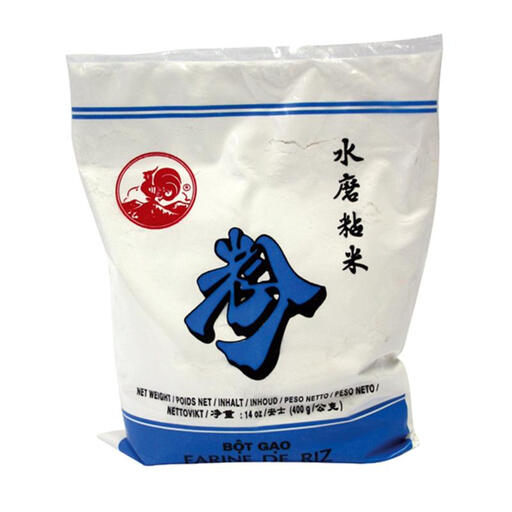
Why this choice: This is a reliable and accessible option for those just starting to make their first mochi or coconut balls. The brand is a staple in Asian grocery stores, offering consistent quality without breaking the bank.
The label clearly states "Glutinous Rice Flour," which eliminates any ambiguity with standard rice flour. It's a pure product with no additives, ideal for following traditional recipes.
Excellent value for money to achieve the desired chewy texture without any unpleasant surprises. Perfect for experimenting.
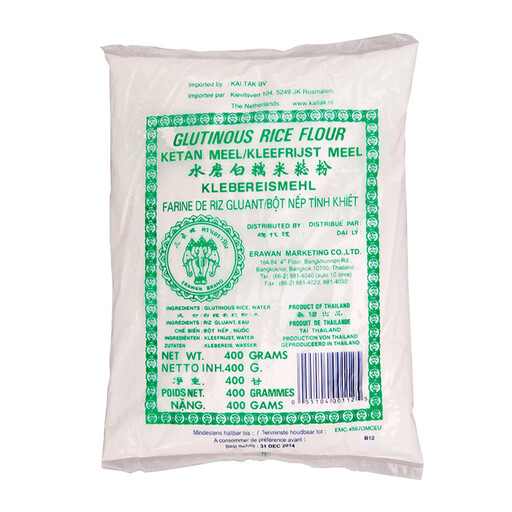
Why this choice: For those who regularly make Asian desserts and seek an impeccable texture. The Erawan brand is renowned for its very fine grind, which produces an exceptionally smooth and silky dough.
As a benchmark product, this flour guarantees reliable consistency from one package to the next, avoiding the texture variations that can ruin a delicate recipe like **mochi flour**.
Its extra-fine grind dissolves perfectly, creating a lump-free dough that is ideal for desserts with a delicate, professional-quality texture.
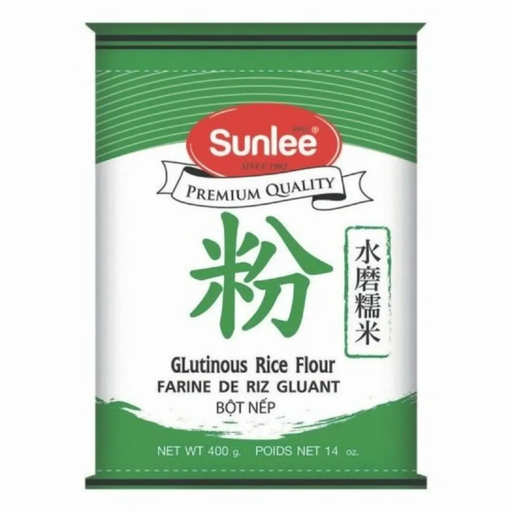
Why this choice: Perfect for those on a gluten-free diet looking for a versatile ingredient. Beyond Asian desserts, this flour is an excellent binder and thickener for soups and sauces, or for adding softness to gluten-free breads and cakes.
This product is 100% pure glutinous rice, making it a reliable **gluten-free flour**. Its description highlights its versatility, preventing you from buying a single-use product.
Its great versatility makes it a pantry staple. It can be used for both traditional Asian recipes and to improve the texture of many gluten-free preparations.
We've compiled a comprehensive list of products that meet our strict selection criteria.
The difference simply comes down to the type of rice used. Standard rice flour is made from long or medium-grain rice and produces a dry, crumbly texture. Glutinous rice flour (or sweet rice flour) is made from glutinous rice, which is rich in a starch called amylopectin. It is this starch that, when cooked, gives the dough its characteristic elastic, chewy, and sticky texture, which is essential for mochi, coconut balls, and many other Asian desserts.
Absolutely. Its ability to create a chewy texture and bind ingredients makes it a very versatile product. You can use it to:
Like most flours, it should be stored in a cool, dry place away from direct sunlight. Once the package is opened, transfer the flour to an airtight container to protect it from moisture and pests. Stored correctly, it will last for several months. Always check the best-before date on the packaging.