
Livraison le jour même ou le lendemain

Qualité garantie

Débloquez vos offres de bienvenue: Livraison GRATUITE | Jusqu'à -80 % | 30 jours d'essai gratuits à JoyPlus
Téléchargez l'application
Fans of Asian desserts know it well: the world of glutinous rice balls is as vast as it is delicious. Between Japanese mochi, Chinese tangyuan, and a myriad of fillings, it can sometimes be hard to know where to start. Whether you're looking for a comforting dessert for a winter evening or a frozen treat for the summer, finding the perfect one can be a challenge.
As the Head of Product Recommendations at Joybuy, my role is to help you navigate this world. In this guide, we'll demystify the different varieties of glutinous rice balls and point you towards the best options available online, selected for their flavour and originality.
Before we dive into our top picks, here are a few key criteria to help you find the perfect glutinous rice ball for you.
Although they both share a glutinous rice flour base, these two desserts each have their own unique identity:
Chinese dessert is traditionally served hot, often in a light syrup or sweet soup. Its dough is thin and pliable, and the filling can be made from black sesame, red bean paste, or even savoury flavours. It's an iconic dessert for family gatherings, especially during the Lantern Festival.glutinous rice cake is made by pounding steamed glutinous rice. The result is a unique texture that is both dense and very chewy. It can be eaten plain, filled (daifuku), or in the form of ice cream mochi, a modern and wildly popular variation that involves wrapping a scoop of ice cream in mochi dough.The filling is the heart of the dessert—it's what makes all the difference. It all comes down to personal taste:
As with any food product, a quick look at the ingredients list is a must. Glutinous rice flour is naturally gluten-free, but the filling or cross-contamination during production can introduce traces of it. Be mindful of common allergens like wheat, soy, eggs, milk, or sesame, which are frequently used in these preparations.
Here are three options that caught our eye for their taste and quality, designed to satisfy every craving.
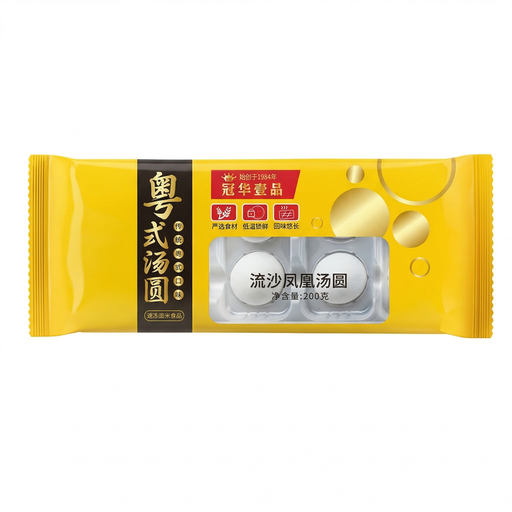
Why we love it?: This version of tangyuan features a star filling from Cantonese pastry: salted egg yolk. When cooked, the centre becomes literally molten (hence the name lava), creating a surprising experience where the sweetness of the dough contrasts with the umami richness and creamy texture of the filling.
Highlights?:
Who is it for?? For adventurous palates and anyone looking to try a trendy, modern take on the traditional Chinese dessert.
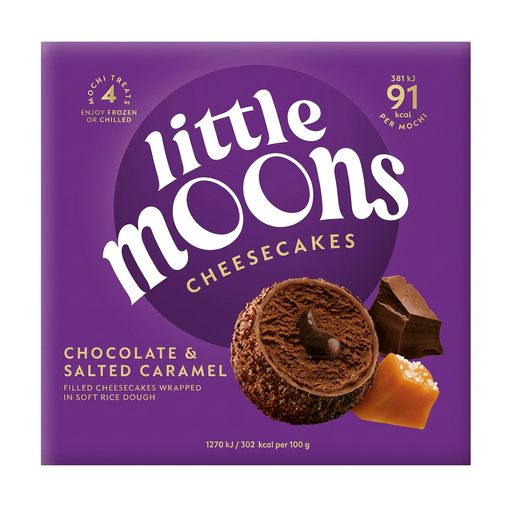
Why we love it?: Little Moons is the brand that skyrocketed the popularity of ice cream mochi in Europe by pairing it with familiar Western flavours. This recipe is a powerhouse of indulgence: cheesecake-flavoured ice cream, a molten salted caramel centre, chocolate mochi dough, and a cocoa cookie crumb coating.
Highlights?:
Who is it for?? Ideal for a first foray into the world of mochi with comforting flavours, but also for ice cream dessert lovers looking for a touch of the exotic.
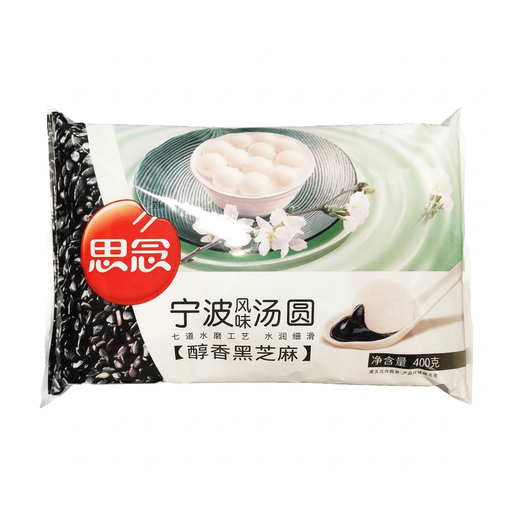
Why we love it?: Here, Synear offers the quintessential traditional tangyuan: the black sesame version. It's the ultimate comfort dessert, with a rich, lightly sweetened filling and an intense roasted flavour, all wrapped in a delicate, melt-in-your-mouth glutinous rice dough.
Highlights?:
Who is it for?? For lovers of authentic Asian flavours, and for anyone who wants a comforting, traditional dessert to share (or not!).
Our selection is just a taste of what's available. If you'd like to explore other fillings, like peanut or red bean, or discover other brands of glutinous rice balls, feel free to browse our full selection.
Discover Our Full Range of Glutinous Rice Balls
1. What's the difference between mochi and tangyuan??Tangyuan are Chinese glutinous rice balls, usually served hot in a light syrup, with a thin, pliable dough. Mochi is Japanese; its dough, made by pounding rice, is denser and chewier. It's often enjoyed cold, especially in the form of ice cream mochi.
2. How do you cook frozen glutinous rice balls?? For tangyuan like those from Synear or Guanhua Yipin, drop them directly from frozen into a large pot of boiling water. Stir gently to prevent them from sticking. Cook for 3 to 5 minutes; they're ready when they float to the surface. For ice cream mochi, no cooking is needed: simply let them sit at room temperature for a few minutes before enjoying.