
Livraison le jour même ou le lendemain

Qualité garantie

Débloquez vos offres de bienvenue: Livraison GRATUITE | Jusqu'à -80 % | 30 jours d'essai gratuits à JoyPlus
Téléchargez l'application
Glutinous rice balls, or tangyuan, are much more than a simple dessert. As symbols of family reunion and sweetness, they are a staple of the Lantern Festival and the Winter Solstice. Yet, standing in front of the freezer aisle, picking the right package can be a real puzzle. Between a disappointing texture and a bland filling, it's easy to make the wrong choice. This guide is here to help you uncover the hidden gems and rediscover the authentic taste of this iconic Asian dessert.
The selection of frozen glutinous rice balls is vast, making it easy to fall into common traps that can ruin the experience. Here are the most frequent ones:
To get it right, keep an eye on a few key details that make all the difference.
The quality of the outer skin is non-negotiable. The star ingredient must be glutinous rice flour. Check its position on the ingredient list. The higher it is, the more likely you are to get that sought-after authentic, soft, and chewy texture. Be wary of products that add other starches (like tapioca or wheat) to "cut" the rice flour; the consistency will suffer. As a general rule, a short ingredient list is a sign of quality.
This is what gives each bite its character. A look at the great classics:
To guide you, we've selected three products that tick all the boxes, each suited to a different preference.
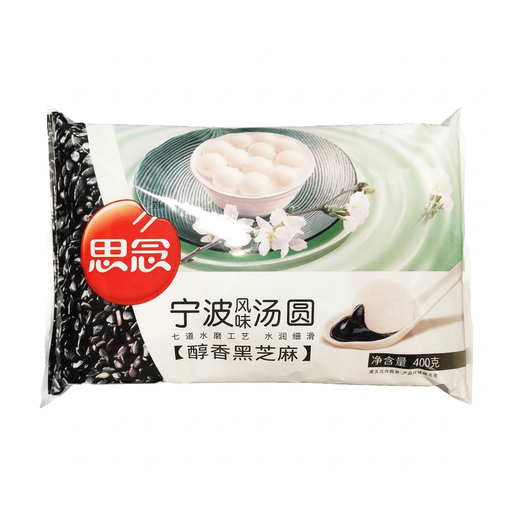
Why we love it: Perfect for large family gatherings during the Lantern Festival, this generous size and its iconic black sesame flavour are a flawless choice. The Synear brand is a trusted name in frozen Chinese desserts.
Its filling contains 5.4% sesame, ensuring a truly authentic taste, not just a sugar rush. Made with 42% glutinous rice flour, the dough guarantees a soft texture that holds up during cooking.
A family-sized 400g pack and an intense black sesame flavour that stays true to tradition.
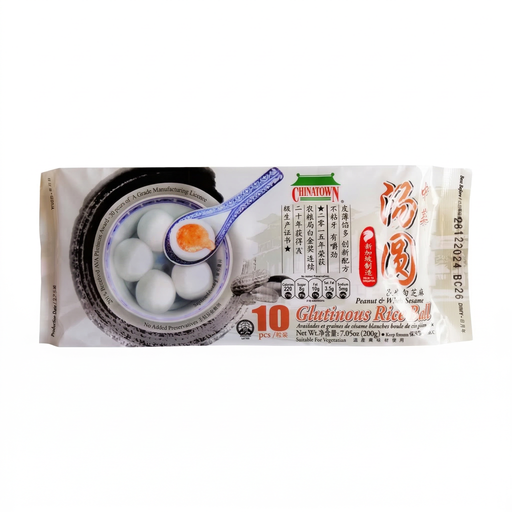
Why we love it: Perfect for beginners, this package combines two classic flavours in a single bite. Its 200g size is ideal for one or two people, letting you try them without committing to a large package.
By combining peanut and sesame, the filling gains complexity and avoids the trap of a one-dimensional taste. The Chinatown brand is a benchmark for authentic recipes.
A dual-flavour filling for more variety and a convenient 200g size.
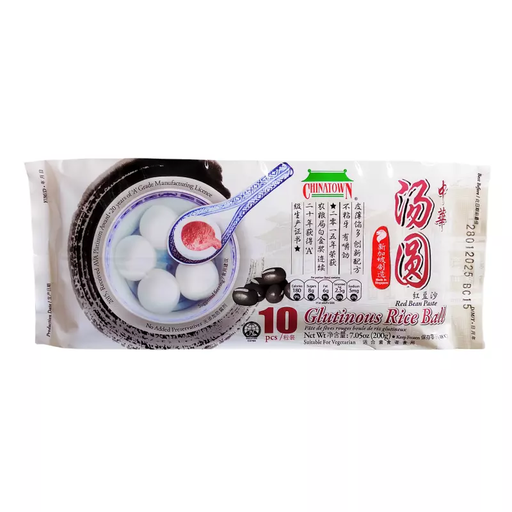
Why we love it: For those seeking a more subtle and less oily sweetness than nut-based fillings, red bean paste is the quintessential classic alternative. Creamy and delicate, it appeals to a wide audience.
The red bean filling offers a naturally sweet and complex flavour, a far cry from a simple "sugary taste." Its smooth, melt-in-your-mouth texture creates a perfect contrast with the soft dough.
A traditional flavour that is both gentle and creamy, making it a perfect change from sesame or peanut.
Discover our complete, up-to-date selection of products that meet our quality standards and current regulations.
It's quick and easy. Bring a large pot of water to a boil. Gently add the frozen rice balls, stirring lightly to prevent them from sticking to the bottom. Once they all float to the surface, reduce the heat and let them simmer for another 1 to 3 minutes (refer to the package instructions). Serve them hot, either in a bowl with some of the cooking water or in a light ginger syrup.
Although both are made from glutinous rice, they are not the same dessert. Tangyuan are smooth balls served hot in a broth or syrup. Their fillings are classic: black sesame, peanut, etc. Coconut pearls, on the other hand, are typically steamed and then rolled in shredded coconut. Their filling is also different, often creamier (coconut milk, sugar, sometimes egg yolk).
Like any frozen product, they must be stored in the freezer at -18°C (0°F) or below. Once the bag is opened, reseal it tightly to prevent the rice balls from drying out. And of course, never refreeze a thawed product.