If you have coeliac disease, choose a product labelled ‘gluten-free’, then check the added ingredients and the risk of cross-contamination during preparation. A mix made specifically for pancakes gives you preparation instructions, while flour intended for pancake batter gives you more freedom with your recipe. Ready-to-serve pancakes mean there’s no batter to make; a gluten-free cake can round off your teatime spread, but it won’t replace the pancakes.
Who are these options for?
Households with someone with coeliac disease
Your choice depends not only on the product’s labelling, but also on the ingredients, surfaces and utensils used right through to serving. Making pancakes at home means checking every step, not just the flour.
People who want to make their own pancakes
A mix made specifically for pancakes comes with preparation instructions. Flour intended for pancake batter is a better choice if you’d like to adapt your own recipe.
Hosts who want to serve tea quickly
Ready-to-serve pancakes save you from making the batter. You could also serve a packaged gluten-free cake, provided you check the ingredients and other allergens for each product.
What should you check before choosing?
First decide whether you want to make pancakes or serve them ready-made. If you’re cooking for someone with coeliac disease, check the product, all added ingredients and the equipment you use.
| Criteria |
What to check |
Who is it for? |
| Avoiding gluten |
Look for the ‘gluten-free’ label and check any additions, as well as the surfaces and utensils used. According to AFDIAG, this label means the product contains less than 20 mg/kg of gluten. |
If I’m serving someone with coeliac disease, I want to be able to check the recipe right through to serving, especially when making the batter at home; around 36% of consumers would put this precaution first. |
| Homemade pancakes |
Check that the product is intended for pancake batter, then check the quantities and ingredients needed for the recipe. |
If I’m making my own pancakes, I look for a mix designed for that purpose rather than one intended only for cakes; around 29% of consumers would make this their priority. |
| Quick serving |
For ready-to-serve pancakes, read the ingredients list, check the allergens and follow the storage instructions. |
When I can’t make the batter, I’d rather buy ready-made pancakes and accept the recipe and format they come in; around 21% of consumers would choose this option. |
| A cake to serve alongside |
Check that the product is labelled ‘gluten-free’ and look for other allergens in the specific product; a cake won’t provide pancake batter. |
If pancakes are already on the menu, I’d like to add a cake or biscuits suitable for tea; around 14% of consumers would put this accompaniment first. |
Pancake Day pitfalls to avoid
-
Assuming ‘wheat-free’ means ‘gluten-free’
A product being wheat-free doesn’t necessarily mean it’s suitable for someone with coeliac disease. Cross-contamination during manufacturing or preparation matters too.
For packaged products, look for the ‘gluten-free’ label and read the packaging. Also check any added ingredients and the equipment used at home.
-
Confusing gluten-free cake with pancake mix
A marble cake or loaf cake can round off the table, but it won’t replace pancake batter or ready-to-serve pancakes.
If you’re planning to cook, choose a mix that’s specifically intended for pancake batter; save cakes for serving alongside.
-
Forgetting about other allergens
The Carrefour No Gluten pancakes described by Carrefour contain milk and eggs. The Schär marble cake listing viewed at Carrefour warns that it may contain traces of nuts, soya and lupin.
If a guest needs to avoid other ingredients, check the ingredients list and any ‘may contain’ warnings on the specific product, as well as those on the toppings.
-
Relying on a one-off promotion without planning ahead
Lidl France says its gluten-free products are available as occasional offers and aren’t part of its permanent range.
Before planning to buy one for Pancake Day, check what’s available at your local store and read the label of the product on offer.
Brands and ranges to know
These products suit different needs: making pancakes, serving them ready-made or adding a cake to your teatime spread. Always check the specific product rather than relying on the brand name alone.
Carrefour No Gluten
Carrefour’s range includes ready-to-serve sweet gluten-free pancakes.
- The pancake product reviewed contains 4 pancakes and weighs 200 g, so there’s no batter to make.
- These pancakes contain milk and eggs, so they’re not suitable if you also need to avoid these ingredients.
Schär
The FARINA flour sold by Auchan is intended for pancake batter, while the brand’s marble cake is better suited as an accompaniment.
- The flour is explicitly described as suitable for making pancakes.
- The marble cake listing viewed at Carrefour warns that it may contain traces of nuts, soya and lupin.
Maizena
The gluten-free mix sold by Auchan is intended for pancakes, waffles and American-style pancakes.
- Its product information includes instructions for making pancakes.
- Any ingredients you add to the recipe must also be gluten-free, as the mix’s product information states.
Auchan
The retailer sells a gluten-free baking mix.
- The mix reviewed is described as suitable for making cakes and biscuits.
- For pancakes, look for a suitable recipe: this product isn’t described as intended for pancake batter.
Chaque Jour Sans Gluten (E.Leclerc / Marque Repère)
E.Leclerc’s range includes products to round off a gluten-free teatime spread.
- E.Leclerc’s range includes a gluten-free chocolate fondant mix.
- For pancakes, check that the specific product is intended for that use rather than substituting a cake mix directly.
Lidl
Lidl France offers gluten-free products as part of occasional promotions.
- A local promotion may be a good opportunity to find a product suitable for tea.
- These products aren’t part of the permanent range advertised by Lidl France, so check what’s available locally before planning your meal.
St Michel
The brand name alone doesn’t tell you whether a biscuit is gluten-free.
- The listing for the Bio all-butter biscuits viewed at St Michel states that they contain 66% wheat flour and declare gluten. This applies to this specific product, not the whole brand.
A Joybuy product for homemade recipes
This rice flour is for anyone who wants to adapt a homemade recipe. If you’re making pancakes for someone with coeliac disease, check the packaging for the ‘gluten-free’ label, and also check the other ingredients and how they’re prepared.
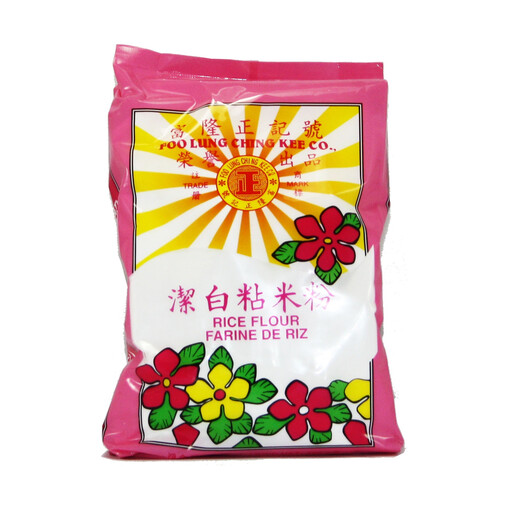 Image unavailable
FLCK Rice Flour 450 g
For adapting a homemade recipe: the product information mentions pancakes, but you’ll need to choose a recipe designed for crêpes.
Rice flour, 450 g pack. Before cooking for someone with coeliac disease, check the packaging for the ‘gluten-free’ label and avoid cross-contamination during preparation.
View on Joybuy
Frequently asked questions
Does ‘wheat-free’ mean ‘gluten-free’?
No. A product being wheat-free isn’t enough to make it suitable for someone with coeliac disease. Look for the ‘gluten-free’ label and check the full ingredients list, including any added ingredients.
What does the ‘gluten-free’ label on a product mean?
According to AFDIAG, it means the product contains less than 20 mg/kg of gluten. ‘Very low gluten’ refers to a different category, so don’t confuse the two when preparing a meal for someone with coeliac disease.
Is a gluten-free pancake mix enough for the whole recipe?
No. Maizena’s mix instructions state that any ingredients you add must also be gluten-free. Check the toppings too, and use equipment and surfaces that won’t contaminate the mixture.
Are Carrefour No Gluten pancakes suitable if you also avoid milk or eggs?
The sweet pancakes described by Carrefour contain milk and eggs, so they’re not suitable if you need to avoid these ingredients. Check the label on the product you buy before serving it.
Can St Michel Bio biscuits be served with gluten-free pancakes?
Not the ‘Galettes au bon beurre Bio’ product described by St Michel: its product information states that it contains 66% wheat flour and declares gluten. Check each biscuit individually rather than judging by the brand name.


