Someone with coeliac disease or the person shopping for them
The priority is to distinguish a product explicitly labelled gluten-free from standard pasta. Check the label on the pack, then read the ingredients and allergen information.


When shopping for someone with coeliac disease, first choose a product labelled ‘gluten-free’ and check the information on the pack you buy: standard pasta, even wholemeal pasta, is not automatically suitable. To make your store cupboard easier to manage, compare the shape, pack size, ingredients, cooking instructions and storage guidance for each product.
The priority is to distinguish a product explicitly labelled gluten-free from standard pasta. Check the label on the pack, then read the ingredients and allergen information.
A shape you already use in your usual recipes and a pack size that suits how often you eat pasta make the store cupboard easier to manage. Also check the cooking and storage instructions on the pack you choose.
Clearly identify which packs are for each purpose. Gluten-free products from Barilla, Auchan and Carrefour, for example, include corn and rice, while Panzani and Lustucru also offer standard wheat or egg pasta.
If the pasta is for someone with coeliac disease, start by checking how the product is identified on its packaging. Then consider the shape and quantity, depending on the meals you have planned and the space available.
| Criterion | What to check | Who it matters to |
|---|---|---|
| Gluten-free identification | The ‘gluten-free’ label on the specific pack, followed by the ingredients list and allergen information. | If I’m shopping for someone with coeliac disease, I need to be able to distinguish their pasta from standard products without any doubt. Around 50% of consumers put this first among their needs. |
| Quantity and storage | The net weight and storage instructions, particularly after opening. | For a small household, I prefer a pack size that suits our meals and that I can store as instructed. This is the top priority for around 30% of consumers. |
| Shape and cooking | A shape suited to the recipes you have planned and the cooking time given for that product. | If I often make the same dishes, I want a shape that works for them without relying on the cooking time for a different pasta. Finding pasta that suits your recipes is the priority for around 20% of consumers. |
The shape of the pasta, a well-known brand and the word ‘wholemeal’ do not prove that it is gluten-free. Standard wheat pasta from Panzani, for example, is not interchangeable with a product intended for someone with coeliac disease.
Look for the ‘gluten-free’ label and read the ingredients on the pack you plan to buy.
The same pack size will not necessarily suit a household that cooks pasta often and one that only prepares it occasionally.
Compare the net weight with your usual meals and follow the storage instructions, especially after opening.
Auchan’s product information gives a cooking time of 8 to 9 minutes for its gluten-free macaroni, compared with 11 minutes for the Barilla gluten-free spaghetti sold by the same retailer. Each time applies to a specific product.
Start with the instructions on the pack you’ve bought and check that the pasta is cooked before draining.
A range labelled gluten-free can help you find options, but when shopping for someone with coeliac disease, always use the specific pack you’re choosing as your guide.
Barilla’s Gluten Free range includes products such as small pasta shells, penne rigate, tagliatelle and lasagne. Depending on the product, the range is made with white corn, yellow corn and rice.
Auchan offers gluten-free pasta made with corn and rice, including 500 g packs of macaroni.
Carrefour offers products including 500 g packs of gluten-free spaghetti made with corn and rice flours.
E.Leclerc offers products in this range such as gluten-free penne and tagliatelle. Its product information for the penne describes a recipe made with corn and brown rice.
Panzani offers standard durum wheat pasta, including different shapes for everyday meals.
Lustucru offers standard and egg pasta in shapes such as small pasta shells, macaroni and spaghetti.
This selection includes products described as gluten-free in a range of shapes, as well as rice macaroni. When shopping for someone with coeliac disease, check the ‘gluten-free’ label, ingredients and allergen information on each pack before choosing.
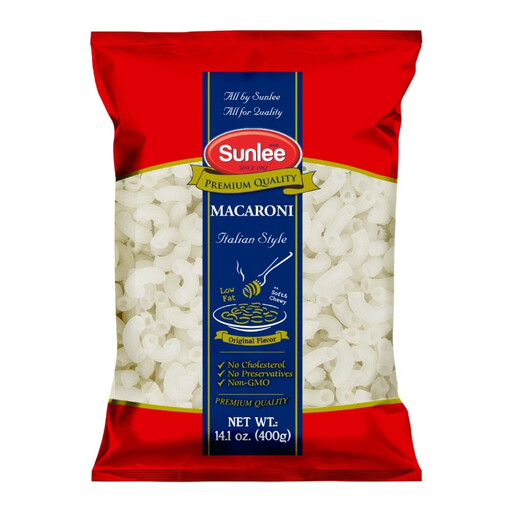 Image unavailable
A short shape to consider for dishes where you’d usually use macaroni. The pack contains 400 g; if the pasta is for someone with coeliac disease, check the ‘gluten-free’ label and allergen information on the pack you buy.
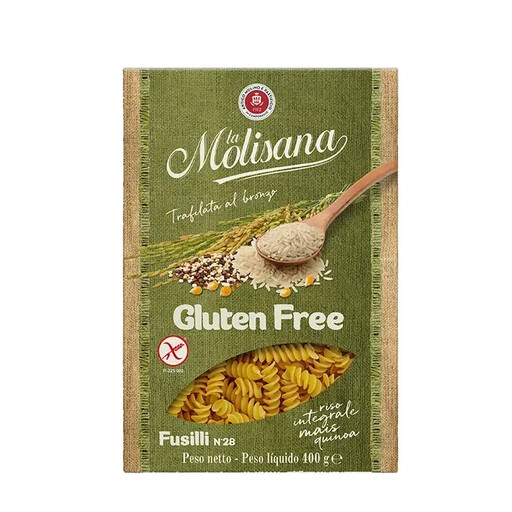 Image unavailable
Fusilli to consider if this shape works well with your sauces or pasta salads. The pack contains 400 g; if you’re buying for someone with coeliac disease, check the ‘gluten-free’ label and allergen information on the pack you receive.
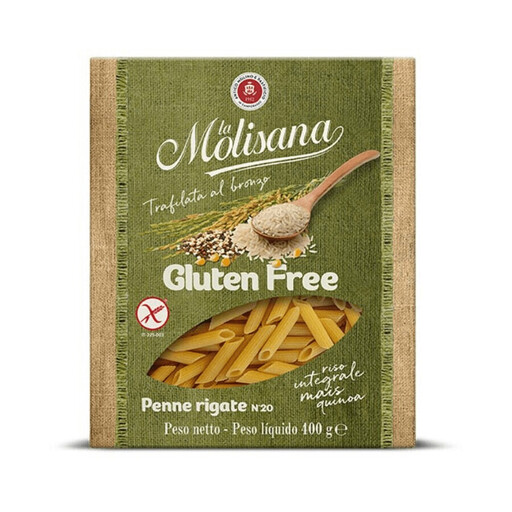 Image unavailable
A penne rigate shape to consider for dishes with a sauce. If you’re buying for someone with coeliac disease, check the ‘gluten-free’ label, ingredients and allergen information on the pack you buy.
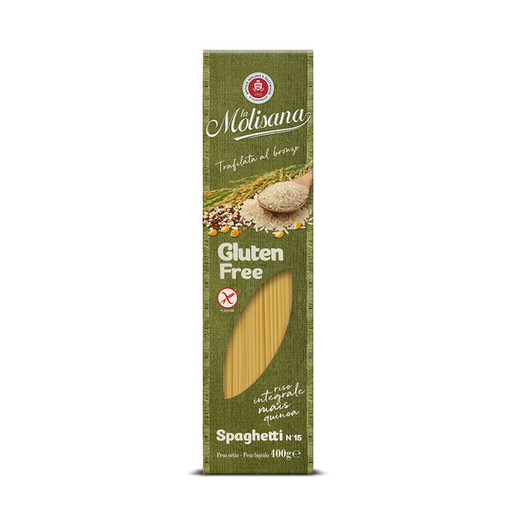 Image unavailable
Long pasta to consider for recipes where you’d usually serve spaghetti. The variant name indicates a 400 g pack made with wholegrain rice, corn and quinoa; check the ingredients and allergen information on the pack you buy.
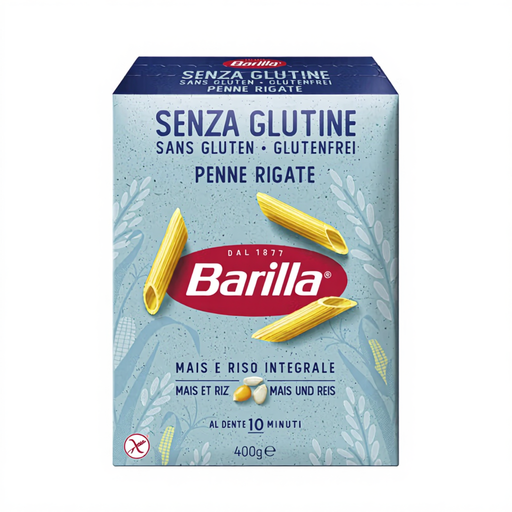 Image unavailable
Penne rigate to consider if you’d like a familiar shape for dishes with a sauce, in a 400 g pack. Barilla says its Gluten Free range is certified gluten-free; even so, check the label, ingredients and allergen information for this product on the pack you buy.
No. These descriptions do not mean that a product is gluten-free. If you have coeliac disease, look for a product explicitly labelled gluten-free and check its packaging. The DGCCRF stresses the importance of strictly avoiding gluten when you have coeliac disease.
When choosing a product for someone with coeliac disease, first check for the ‘gluten-free’ label, then check the product name and ingredients. The DGCCRF explains that allergenic ingredients must be highlighted on the label.
Follow the instructions on the pack you buy, including after opening. For its gluten-free macaroni, Auchan advises storing it away from heat and moisture, among other things. Don’t automatically apply the instructions for one product to another.
No, cooking times vary by product. Auchan gives a cooking time of 8 to 9 minutes for its gluten-free macaroni and 11 minutes on its product page for Barilla gluten-free spaghetti. Follow the instructions on the pack you’re cooking.