Self-sufficient campers with coeliac disease
You need to be able to check that the exact sauce is labelled ‘gluten-free’ – a tomato-based recipe alone isn’t enough to confirm this. You’ll also need to decide what to do with the jar once it’s open.


When preparing a meal for someone with coeliac disease, choose a sauce whose specific product is explicitly labelled ‘gluten-free’, then check for other allergens too. When camping, choose a quantity that suits the meal and follow the instructions after opening. If you can’t keep it refrigerated, plan to finish the jar during the meal.
You need to be able to check that the exact sauce is labelled ‘gluten-free’ – a tomato-based recipe alone isn’t enough to confirm this. You’ll also need to decide what to do with the jar once it’s open.
Choosing a size that suits the meal means you won’t have to keep leftovers chilled. Check the storage instructions for both before and after opening.
A sauce labelled gluten-free may still contain other allergens. Compare the ingredients and allergen information for each recipe with the needs of everyone sharing the meal.
Start by checking the label on the exact jar you’re buying. Regulation (EU) No 828/2014, published on EUR-Lex, reserves the ‘gluten-free’ claim for foods containing no more than 20 mg/kg of gluten. Then check storage instructions and other allergens to make sure the sauce suits your meal.
| What to check | Look for | Who is it for? |
|---|---|---|
| Gluten-free label | Look for the words ‘gluten-free’ on the exact product, rather than relying on the recipe alone. | If I’m preparing a meal for someone with coeliac disease, I want to be able to check the label on the jar I’ve chosen. This is the main priority for around 50% of consumers. |
| Size and storage | Compare the amount you’ll need for the meal with the storage instructions for before and after opening. | If there’s no refrigeration available after the meal, I’d rather choose a jar the group can finish once opened. Around 30% of consumers prioritise storage. |
| Other allergens and recipe | Read the allergen information for the variety you’ve chosen, especially for pesto or cheese sauces. | When several people are sharing the pasta, I also need to consider their other dietary restrictions. This is the main concern for around 20% of consumers. |
A tomato-based recipe, even a plant-based one, is no substitute for the regulated ‘gluten-free’ claim when you’re preparing a meal for someone with coeliac disease.
Check for this claim on the jar of the variety you’re buying, and read the label again when you’re getting ready to set off.
The Saclà products reviewed require refrigeration after opening, while unopened jars can be stored according to their storage instructions.
Choose an amount that suits the meal, or make sure you have a way to follow the storage instructions after opening.
If you can’t keep the leftovers chilled, some of the sauce may go to waste.
Depending on the recipe, a gluten-free sauce may contain milk, eggs, sulphites or nuts, among other allergens.
Compare the allergens listed on each jar with the dietary restrictions of everyone who’ll be eating the pasta.
Lidl France says that its gluten-free products aren’t part of its permanent range.
Before setting off, confirm that the product you want is available and check that it is specifically labelled ‘gluten-free’.
The brand offers several jarred sauces described as gluten-free, including sun-dried tomato recipes, an arrabbiata and pesto-style sauces.
Carrefour’s No Gluten range, which the retailer says has been approved by AFDIAG, includes gluten-free pasta.
Panzani offers a range of pasta sauces, including tomato sauces.
Barilla’s French website lists its gluten-free pasta separately from its sauce and pesto ranges.
Lidl France says it offers gluten-free products as part of occasional promotions.
This 190 g jar of tomato and garlic sauce could suit a pasta meal prepared at the campsite. If you’re cooking for someone with coeliac disease, check that the product you receive is labelled ‘gluten-free’ and plan how you’ll store the jar once it’s open.
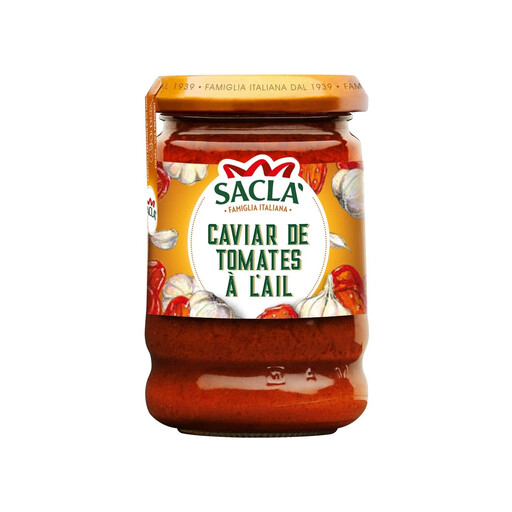 Image unavailable
For pasta cooked at the campsite, this 190 g jar lets you choose an amount to suit the meal. It’s described as a tomato and garlic sauce with a sun-dried tomato pesto-style recipe. Check the product you receive for the ‘gluten-free’ claim, sulphites and storage instructions.
In the European Union, Regulation (EU) No 828/2014, published on EUR-Lex, reserves this claim for foods containing no more than 20 mg/kg of gluten. If you’re preparing a meal for someone with coeliac disease, look for it on the exact sauce you’re buying rather than relying on a tomato-based or plant-based recipe.
You can transport an unopened jar according to the storage instructions for that product. The Saclà sauces covered here need to be refrigerated after opening. If you can’t do this, plan to finish the jar during the meal.
No. The ‘gluten-free’ claim doesn’t tell you anything about these other allergens. Depending on the recipe, the Saclà products reviewed list milk and eggs, or cashews and sulphites. Read the information on the jar you choose.
First, check it’s available. Lidl France says its gluten-free products are offered occasionally rather than as part of its permanent range. Then check that the specific sauce you plan to take is labelled ‘gluten-free’.