People with coeliac disease who eat lunch at the office
A ‘gluten-free’ label on the pasta alone isn’t enough to make the whole meal safe: you’ll also need to pay attention to the sauce, toppings and utensils.


For a lunch for someone with coeliac disease, first choose pasta with an explicit ‘gluten-free’ label on the packet. Then check the other ingredients in the meal and avoid cross-contamination during preparation. Penne and fusilli are short shapes to consider for a lunchbox. The cooking time on the packet and whether the dish can be eaten cold or reheated can help you choose between products.
A ‘gluten-free’ label on the pasta alone isn’t enough to make the whole meal safe: you’ll also need to pay attention to the sauce, toppings and utensils.
A short pasta shape can work well in a pasta salad or a dish with a sauce that you can reheat. Check the cooking time before planning your preparation.
The pack size and whether you can find the same product at your local shop or through its online grocery service can help you plan meals. If one of those meals is for someone with coeliac disease, use the ‘gluten-free’ label as your starting point.
Start by checking the labelling on the pasta and the other ingredients in your lunch. Then choose the shape and cooking time to suit how you’ll prepare your meal for the office.
| Criteria | What to check | Who it matters to |
|---|---|---|
| Gluten-free safety | The ‘gluten-free’ label on the packet, as well as the sauce ingredients and the risk of cross-contamination during preparation. | If I’m preparing a meal for someone with coeliac disease, I want to be able to check the sauce and utensils too; around 42% of consumers prioritise this level of care. |
| Meal preparation | The cooking time on the packet and a shape that suits a salad or a dish to reheat. | When I prepare lunch the night before, I look for a shape that’s easy to take with me and serve using the facilities available at the office; this convenience comes first for around 33% of consumers. |
| Pack size and availability | The weight of the packet and whether the product is available at your local shop or through its online grocery service. | When planning several lunches, I prefer a pack size that suits the quantity I’m preparing and a product I can find again; around 25% of consumers prioritise this need. |
A corn- or rice-based recipe isn’t a substitute for a ‘gluten-free’ label when the lunch is for someone with coeliac disease. Other ingredients in the meal may also come into contact with gluten.
Check the label on the packet you actually buy, then check the labelling on the sauce and toppings. Use clean utensils when preparing the meal.
A short cooking time doesn’t tell you whether a product contains gluten. Panzani’s standard quick-cook pasta shouldn’t be mistaken for a gluten-free product.
For a meal for someone with coeliac disease, choose pasta labelled ‘gluten-free’ first, then compare the cooking instructions.
The Gluten Free range includes penne rigate, small macaroni, lasagne sheets and tagliatelle, giving you plenty of shapes to choose from for lunch.
A range to consider if you’re looking for gluten-free fusilli for a lunchbox.
This dedicated range includes gluten-free penne, which are worth considering for a lunch prepared in advance.
The 500 g gluten-free fusilli are a short pasta shape with a stated cooking time.
These gluten-free penne are an option for making a pasta salad or a dish with sauce to take to the office. Check the cooking time on the packet to plan your preparation.
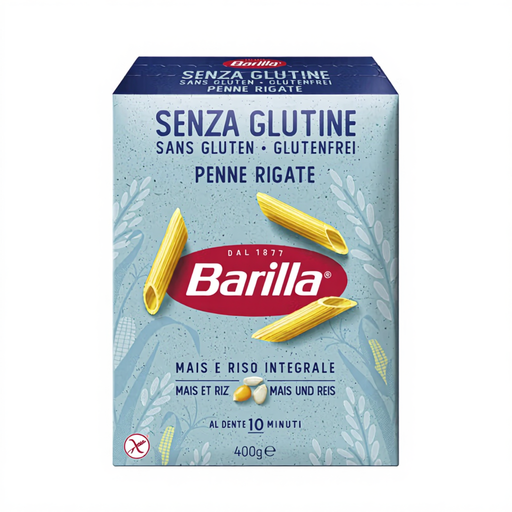 Image unavailable
Penne rigate work well in a pasta salad prepared in advance or a saucy dish to take with you. The packet contains 400 g; check the cooking instructions and make sure the sauce and toppings are gluten-free too.
Choose a packet explicitly labelled ‘gluten-free’. Also check the ingredients and allergens in any accompaniments, and avoid cross-contamination during preparation and serving.
No, these labels don’t mean the same thing. For a lunch for someone with coeliac disease, look for ‘gluten-free’ on the pasta rather than substituting a product with the other label.
Carry your meal in a sealed container and use a clean bowl and utensils. Check the sauce and toppings too; a colander used for ordinary pasta or crumbs on the worktop could undo the precautions you’ve taken with the pasta.
Both are short shapes worth considering for a pasta salad or a dish with sauce. Compare products by the cooking time on the packet, the amount you’re preparing and how you plan to serve your lunch at the office.