People who need to avoid gluten
The ‘gluten-free’ label on the specific product takes priority over its shape or brand. EU rules on this information are designed, among other things, to help people with gluten intolerance choose their food.


To stock a gluten-free cupboard, start with dried pasta whose pack is clearly labelled ‘gluten-free’. Then choose a shape to suit your meals, check the net weight and follow the storage instructions once opened. Fresh pasta containing wheat is neither gluten-free nor suitable for the same kind of cupboard storage.
The ‘gluten-free’ label on the specific product takes priority over its shape or brand. EU rules on this information are designed, among other things, to help people with gluten intolerance choose their food.
If you want to keep several packs of dried pasta to hand, check the dates and storage instructions. For example, Auchan’s fusilli product information says to keep the product away from heat and moisture and to close the bag securely after opening.
Spaghetti, penne and fusilli don’t necessarily suit the same recipes. Products listed by Carrefour and E.Leclerc also come in different pack sizes, so check the shape and net weight of each product.
When choosing pasta for a gluten-free cupboard, first check the labelling on the pack you’re buying, then make sure it’s suitable for storage and the recipes you have in mind.
| What to check | Check for | Who is this for? |
|---|---|---|
| Gluten-free labelling | The ‘gluten-free’ label on the specific pack, followed by its ingredients and allergen list. | If I need to avoid gluten, the name of a cereal or brand isn’t enough to help me choose. Around 50% of shoppers put this information at the top of their list. |
| Cupboard storage | The date shown and the storage instructions, particularly once the pack is opened. | If I want to keep several packs ready to use for different meals, I need to be able to store them as directed on the packaging. This is a priority for around 30% of shoppers. |
| Shape and pack size | A shape that suits the recipes you have planned and the net weight of the pack. | If I often make a particular type of dish, I prefer to stock pasta I’ll actually cook, in a pack size that works for me. Shape and pack size come first for around 20% of shoppers. |
The cereal named on the product doesn’t replace the information on the specific product itself. EU rules govern the use of the ‘gluten-free’ label.
Look for this label on the pack and check the ingredients and allergen list again.
Fresh pasta doesn’t have the same storage requirements as dried pasta. What’s more, the 600 g Lustucru fresh tagliatelle described by the brand contains durum wheat semolina.
For cupboard storage, start with dried pasta and check its labelling. For any fresh product, check its ingredients and storage instructions separately.
A best-before date is not a use-by date. The French Ministry of Agriculture explains that after this date a product may have lost some of its qualities, but it isn’t automatically unsafe to eat.
Check that the pack is intact and read the storage instructions before deciding whether to use it.
Barilla France offers a range of dried gluten-free pasta in several shapes, including penne rigate and lasagne sheets.
Carrefour offers No Gluten spaghetti in a 500 g bag, among other products.
E.Leclerc offers gluten-free macaroni and penne in 400 g packs in this range.
Auchan offers gluten-free fusilli in a 500 g pack, among other products.
These dried pasta shapes can help you stock a cupboard for gluten-free meals. Several product names include the words ‘Gluten-Free’; for each one, check the label and allergens on the pack you actually buy.
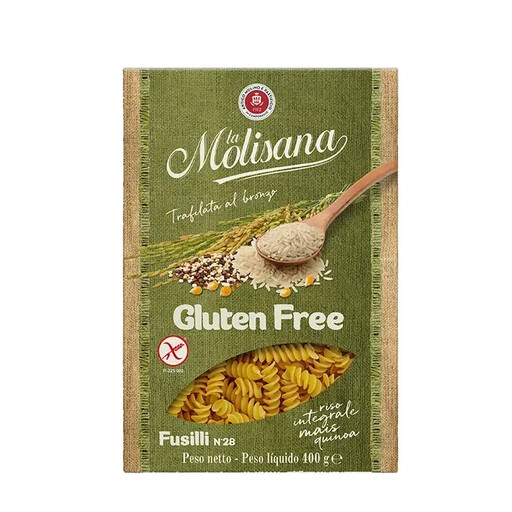 Image unavailable
Worth considering if you’d like to keep dried fusilli for your usual recipes.
The product name indicates a 400 g pack and the ‘Gluten-Free’ label. Check the label, allergens and storage instructions on the packaging.
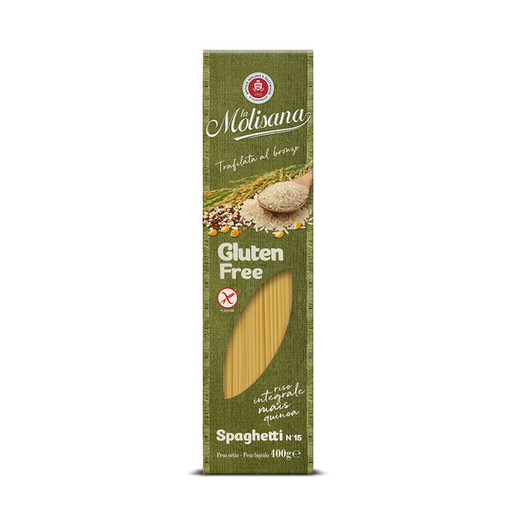 Image unavailable
This shape is a good choice for a cupboard stocked for spaghetti dishes, provided you check the labelling on the pack.
The product name indicates a 400 g pack made with wholegrain rice, maize and quinoa, and bronze-drawn pasta. Check the ingredients and allergens of the product you receive.
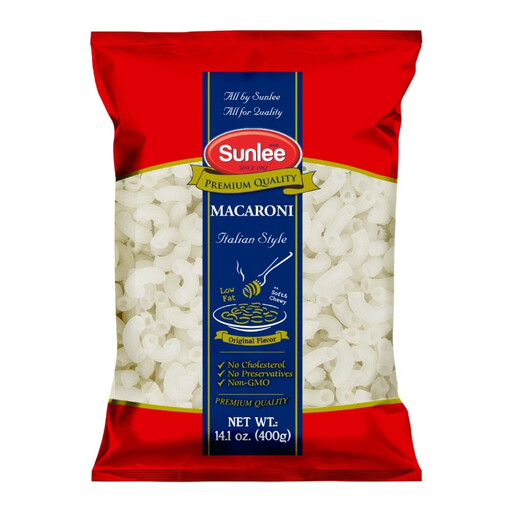 Image unavailable
If you’re looking for short macaroni for a gluten-free cupboard, first check that the pack is clearly labelled ‘gluten-free’.
The product name identifies a rice version in a 400 g pack, but that alone isn’t enough to establish that it’s labelled gluten-free. Check the ingredients and allergens too.
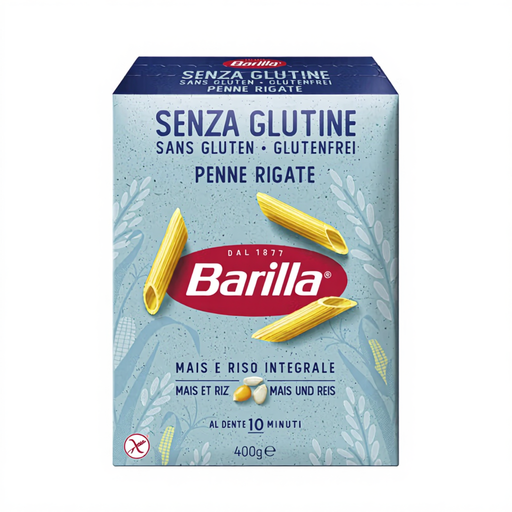 Image unavailable
These penne rigate are a good option if you’re looking for dried pasta in this shape for upcoming meals.
The product name indicates a 400 g pack and the ‘Gluten-Free’ label. Check the labelling, allergens and cooking instructions on the pack you buy.
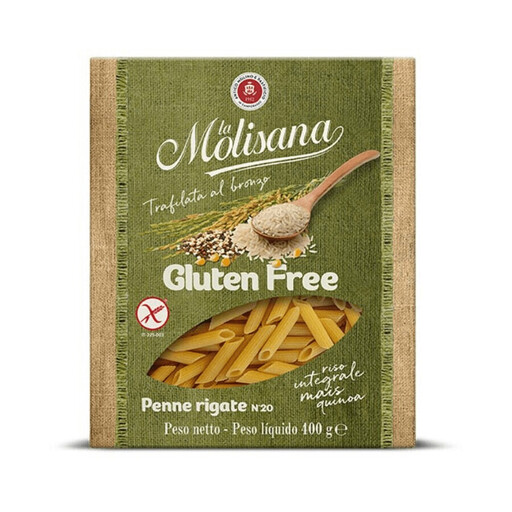 Image unavailable
Consider these if you’d like to keep penne rigate in the cupboard for your recipes.
The product name includes the ‘Gluten-Free’ label. Before comparing pack sizes, check the net weight on the pack, along with its allergens and storage instructions.
No. The main cereal alone doesn’t tell you everything about the product. Look for the ‘gluten-free’ label on the packaging and check the ingredients and allergen list. The use of this label is governed by EU rules on information about gluten.
Follow the instructions on the specific pack. For its gluten-free fusilli, Auchan says to close the bag securely after opening and use the product before the date shown on the back.
A product doesn’t automatically become unsafe to eat after its best-before date. However, according to the French Ministry of Agriculture, some of its qualities may deteriorate. Check the condition of the pack and follow its storage instructions.
Not this specific product: Lustucru Sélection lists durum wheat semolina among its ingredients. This doesn’t tell you anything about the brand’s other products, so check each one separately.