Parents of a child with coeliac disease
The ‘gluten-free’ claim on the product you buy matters more than the pasta shape. AFDIAG states that coeliac disease requires gluten to be excluded from the diet.


If your child has coeliac disease, first choose pasta whose packaging explicitly says ‘gluten-free’, then compare the shapes. A familiar shape may make it easier for your child to try it at home, but it won’t guarantee they’ll like it. If your child eats at school, check separately how meals will be arranged under their individual healthcare plan (PAI).
The ‘gluten-free’ claim on the product you buy matters more than the pasta shape. AFDIAG states that coeliac disease requires gluten to be excluded from the diet.
A shape your child already knows means you can change fewer things about the meal at once. Gluten-free ranges include macaroni, penne and fusilli, but you’ll need to see whether your child likes them.
Choosing a pack for home doesn’t sort out the arrangements for school meals. According to the French Ministry of National Education, an individual healthcare plan (PAI) can set out the dietary adjustments a child needs.
If your child has coeliac disease, start by checking the packaging. Then compare the shape and cooking instructions with your child’s usual preferences, and make separate arrangements for school meals.
| Criteria | What to check | Who is it for? |
|---|---|---|
| Gluten-free claim | Look for the ‘gluten-free’ claim and check the labelling information on the pack you’re actually buying. | If my child has coeliac disease, I need to check the exact product rather than assume it’s suitable because it’s made with maize or rice. Around 33% of consumers put this need first. |
| Familiar shape | Compare the shape with one your child already accepts, and follow the cooking instructions on the pack. | If a change in texture could make mealtimes more difficult, I’d rather try a familiar shape with a sauce my child already likes. This is the top priority for around 27% of consumers. |
| Pack size and availability | Choose a pack size that suits the meals you have planned, and check that the product is available at your chosen retailer. | If a shape works for my child, I need to be able to find it again for future meals. Around 20% of consumers prioritise this consistency. |
| School meals | Check with the school how your child’s dietary needs will be catered for under their PAI. | If my child has lunch at school, I need to know how their meal will be arranged, separately from the pasta I buy for home. This is a priority for around 20% of consumers. |
The ingredients alone don’t replace the need to check the label. For coeliac disease, AFDIAG emphasises that gluten must be avoided; look for the ‘gluten-free’ claim on the product.
Check the packaging when you buy, especially if you switch products or the recipe has changed.
A familiar shape can mean fewer changes on the plate, but it can’t tell you what your child will enjoy.
Start with a small portion at home, served with a sauce they already like.
School meal arrangements depend on each child’s circumstances. Ministry of National Education guidance allows for different adjustments under a PAI, depending on the situation.
Check with the school what’s planned for the menu, meal preparation and serving.
These ranges offer shapes to compare for your child’s meals. Their inclusion here doesn’t guarantee that a particular product will be available or that your child will like it.
Barilla’s gluten-free range is made with white maize, yellow maize and rice. It includes shapes such as macaroni, penne and spaghetti.
This range includes gluten-free fusilli and spaghetti made with maize and rice flours.
E.Leclerc’s range includes gluten-free penne, macaroni, spaghetti, fusilli and tagliatelle.
These products offer short and long shapes to try at home. If you’re buying pasta because your child has coeliac disease, check the ‘gluten-free’ claim on each pack you receive.
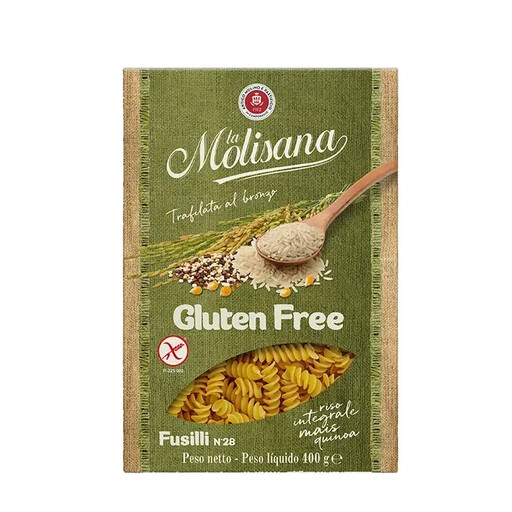 Image unavailable
A twisted shape to consider if your child already eats fusilli. Try it in a familiar recipe, without assuming they’ll like it.
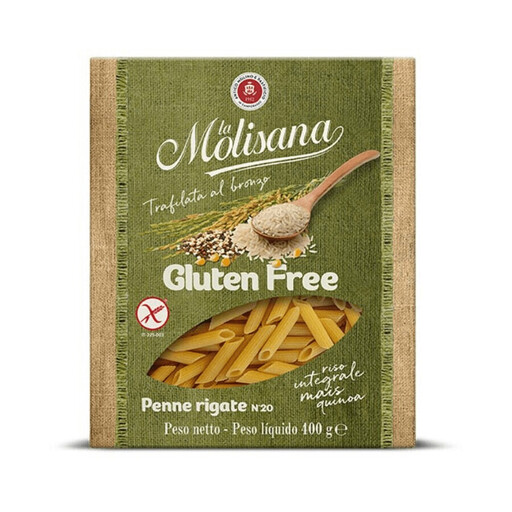 Image unavailable
Penne rigate to compare with the short pasta shapes your child usually eats. Stick with a familiar sauce to see how they respond to the change.
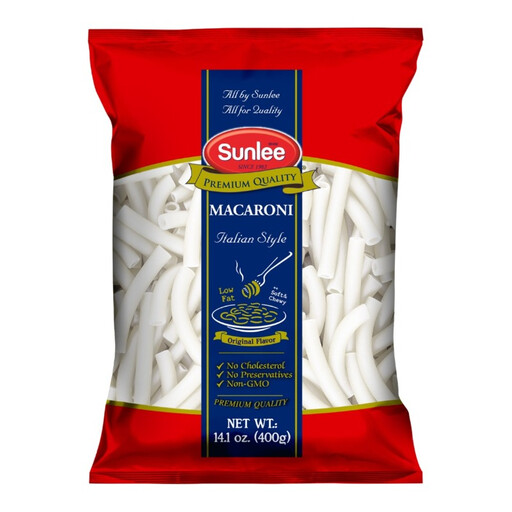 Image unavailable
A 400 g product to consider if your child prefers long pasta. Check the shape on the pack before choosing it for this reason.
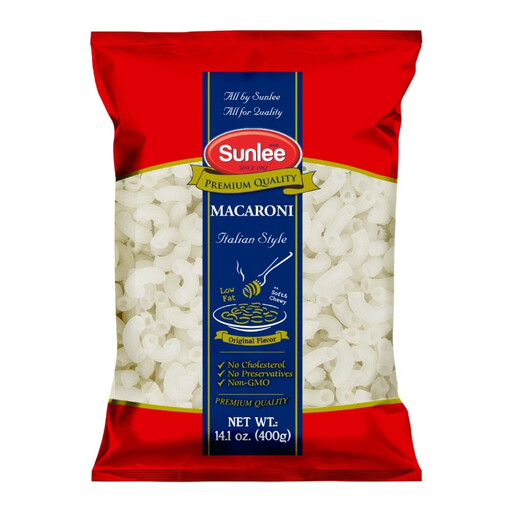 Image unavailable
A short shape to consider if your child already knows macaroni. Follow the cooking instructions on the pack when trying it for the first time.
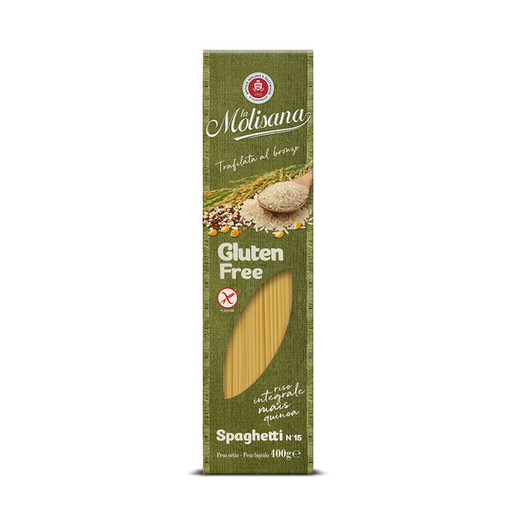 Image unavailable
Spaghetti to consider if your child already eats long pasta. The variant name mentions wholegrain rice, maize and quinoa; check the ingredients on the pack you receive.
The claim is governed by European Regulation (EU) No 828/2014 and means that the product sold to consumers contains no more than 20 mg/kg of gluten. If you’re buying pasta because your child has coeliac disease, look for the claim on the specific pack you’re buying rather than relying on the flour ingredients alone.
No. Buying pasta doesn’t determine how school meals will be arranged. According to the French Ministry of National Education, a PAI can set out dietary adjustments. Depending on the child’s circumstances, this may involve checking menus, the school catering service providing a suitable meal, or the family bringing in a packed lunch.
Start with a shape your child already likes, then try it at home with a familiar sauce. Macaroni, penne, fusilli and spaghetti are available in gluten-free versions, but no shape can guarantee that your child will enjoy the new recipe.
AFDIAG recommends getting a clear diagnosis before starting such a restrictive diet. If you think your child may have coeliac disease, speak to a healthcare professional rather than changing their diet based only on suspected symptoms.