Anyone hosting a guest with coeliac disease
You need to check the packet you choose and plan how to prepare the meal you’re sharing to prevent cross-contamination, as recommended by AFDIAG.


If you’re hosting someone with coeliac disease at Easter, choose pasta with a clear ‘gluten-free’ label on the packet, and plan to prepare it in a way that avoids contact with foods containing gluten. You can then choose the shape to suit your recipe: penne for a sauce or bake, spaghetti for a long-pasta dish, or macaroni for a family meal. AFDIAG reminds us that preventing cross-contamination is important during preparation, too.
You need to check the packet you choose and plan how to prepare the meal you’re sharing to prevent cross-contamination, as recommended by AFDIAG.
You’re looking for a pasta shape that suits your planned recipe, whether it’s a sauce, a bake, a salad or a family meal.
You’re comparing pasta shapes and packet weights to work out how much you’ll need, while checking which products your chosen shop stocks.
For an Easter meal shared with someone with coeliac disease, start by checking the labelling and preparation requirements. Then choose a shape to suit the dish, and check the pack size and availability at your chosen shop.
| Criteria | What to check | Who this matters to |
|---|---|---|
| Labelling and preparation | ‘Gluten-free’ on the packet; cooking water and utensils kept separate from foods containing gluten. | If I’m hosting someone with coeliac disease, my priority is choosing a suitable packet and preventing contamination while cooking. Around 50% of shoppers put this first. |
| Shape and cooking | A shape to suit the recipe; cooking time shown on the packet you buy. | For a bake, salad or pasta with sauce, I want a shape that suits the menu, without relying on the cooking time for a different product. This comes first for around 30% of shoppers. |
| Pack size and availability | Packet weight and quantity needed; product available at your chosen shop or for click and collect. | When I’m cooking for several guests, I want to have enough pasta ready for the meal rather than relying on a single packet. This is the priority for around 20% of shoppers. |
If you’re cooking for someone with coeliac disease, an ingredients list that doesn’t mention wheat is no substitute for a ‘gluten-free’ label on the finished product.
Look for this wording on the packet you buy, and check the label again before preparing the meal.
According to AFDIAG, cross-contamination can happen during preparation, including through cooking water, utensils or surfaces.
Use fresh cooking water, clean the worktop and keep utensils separate where necessary.
Examples shown by E.Leclerc, Carrefour and Auchan include 400 g and 500 g packets. So the same number of packets doesn’t always mean the same amount of pasta.
Check the weight of each product and plan how many packets you’ll need for the number of guests expected.
Cooking instructions vary by product: Panzani gives a cooking time of 13 minutes for its gluten-free penne, while Auchan recommends 8 to 9 minutes for its gluten-free macaroni.
Follow the instructions on the packet you buy and check the pasta is cooked before serving.
Barilla’s Gluten Free range includes macaroni, lasagne, penne rigate and tagliatelle for a variety of Easter dishes.
Panzani offers gluten-free penne, spaghetti and macaroni, among other shapes. Its penne are suggested for sauces, salads and bakes.
Carrefour offers gluten-free spaghetti in 500 g packets, worth considering if this shape suits your planned dish.
E.Leclerc’s range includes gluten-free macaroni and penne, among other shapes. The penne shown come in 400 g packets.
Auchan offers 500 g packets of gluten-free macaroni for a family meal.
These products offer rice pasta, fusilli, spaghetti and penne shapes to help you put together an Easter meal. If someone with coeliac disease is joining you, check for a ‘gluten-free’ label on the packet you actually receive, and prepare the pasta in a way that prevents cross-contamination.
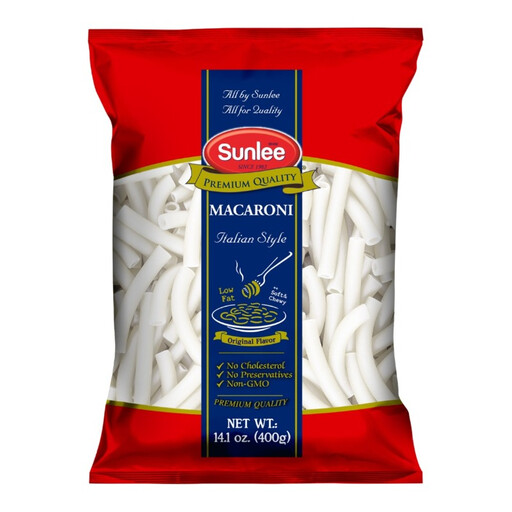 Image unavailable
This long rice pasta could be an option for your Easter dish. The listing states that the packet contains 400 g; check for a ‘gluten-free’ label before serving it to someone with coeliac disease.
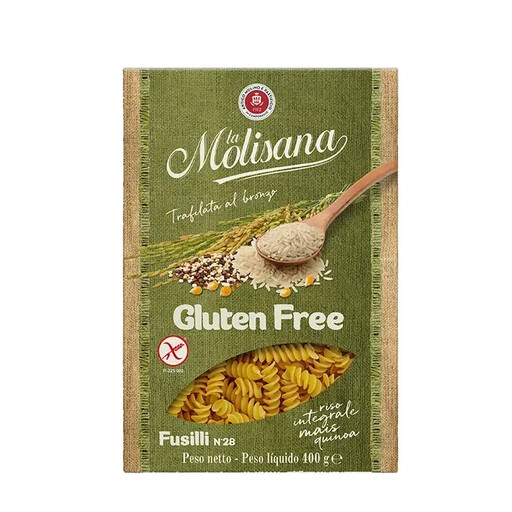 Image unavailable
Fusilli could be a good choice if you’re planning a pasta salad or a dish with sauce. The title states that the packet contains 400 g; check the labelling on the packet you receive before cooking for someone with coeliac disease.
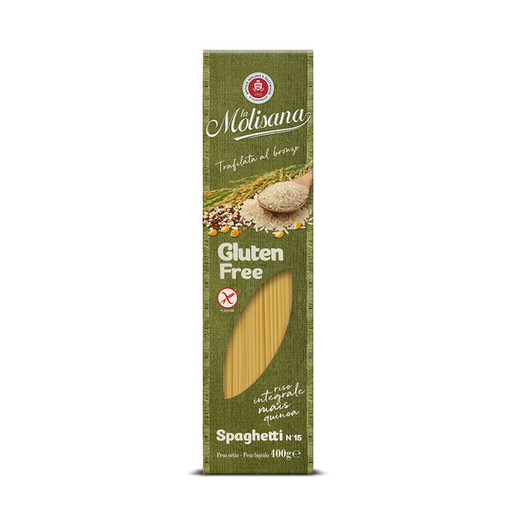 Image unavailable
Choose this shape if spaghetti is on the menu rather than a short pasta. The title mentions wholegrain rice, maize and quinoa, as well as a 400 g packet; check the labelling on the packet you receive if you’re serving a guest with coeliac disease.
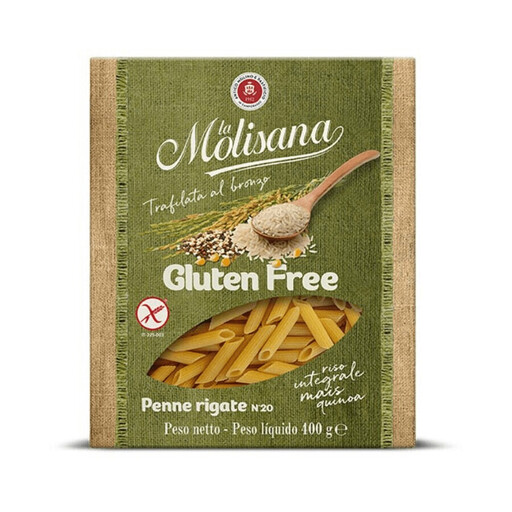 Image unavailable
These penne rigate are worth considering for a dish with sauce. Check for a ‘gluten-free’ label on the packet you receive and read the cooking instructions before preparing the meal.
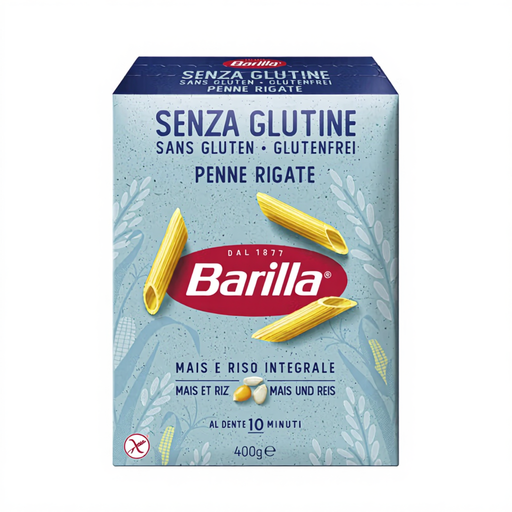 Image unavailable
These penne rigate offer another short pasta shape to consider for your Easter meal. The title states 400 g; check for a ‘gluten-free’ label and read the cooking time on the packet you receive.
It helps you identify the right product, but you also need to prevent cross-contamination during preparation. Check the label on the packet you buy and, as AFDIAG recommends, take care with the cooking water, utensils and surfaces.
If you’re preparing a meal for someone with coeliac disease, use fresh cooking water. AFDIAG recommends avoiding contact with foods containing gluten and using clean utensils and surfaces.
Gluten-free penne are one option for both dishes: Panzani recommends its penne for sauces and bakes. However, follow the cooking time on the packet you buy rather than the instructions for another brand.
Check the weight of each packet before working out how many you’ll need. Products shown by E.Leclerc, Carrefour and Auchan include 400 g and 500 g pack sizes; also check availability at your chosen shop.