Cyclists with coeliac disease
Look for a ‘gluten-free’ label on the product and take care to avoid cross-contamination during cooking. The AFDIAG, for example, recommends not reusing water that has been used to cook gluten-containing foods.


If you have coeliac disease, choose pasta with an explicit ‘gluten-free’ label on the packet, and avoid any contact with gluten-containing foods during preparation. For a meal around a bike ride, consider the recipe, portion and timing in light of your planned ride and digestive comfort. Gluten-free pasta, by itself, has no established sporting advantage.
Look for a ‘gluten-free’ label on the product and take care to avoid cross-contamination during cooking. The AFDIAG, for example, recommends not reusing water that has been used to cook gluten-containing foods.
You want to choose a gluten-free meal with a portion size and timing that suit you. Sports nutrition guidance published by the American College of Sports Medicine highlights that the type, amount and timing of food and drink vary according to whether you’re training or competing.
You’re looking for a shape that suits your dishes and a pack that’s easy to store. Carrefour, E.Leclerc and Auchan list various gluten-free options; check what’s available at your usual store or through its online shopping service.
First, check that the specific product you choose is labelled ‘gluten-free’. Then compare the recipe and nutrition information to plan a meal you can try before a ride.
| Criterion | What to check | Who it matters to |
|---|---|---|
| Gluten-free safety | Look for the ‘gluten-free’ label on the packet you receive. In a shared kitchen, use fresh cooking water and clean utensils; the Crossed Grain symbol can be an additional guide. | If I have coeliac disease, I need to be able to choose the packet and prepare my meal without it coming into contact with gluten-containing foods. Around 42% of consumers are said to prioritise this safety. |
| Meals around your ride | Compare the carbohydrate content per 100 g of pasta in the same state, then try the recipe, portion and time before setting off during a training session. | Before I ride, I want to know whether the meal and its timing suit me, rather than trying a new recipe on race day. This is said to be a priority for around 33% of consumers. |
| Everyday use | Choose a shape that suits the dish you have in mind, and check the net weight and whether the product is available at your store or through its online shopping service. | When I regularly cook pasta at home, I’m looking for a shape that’s easy to include in my meals and a packet I can find locally. Around 25% of consumers are said to put this convenience first. |
When choosing pasta if you have coeliac disease, the ingredients list does not replace a ‘gluten-free’ label on the finished product.
Read the label on the packet you buy. If you’re looking for the Crossed Grain symbol, make sure it appears on that specific product.
Cooking water or utensils that have come into contact with gluten-containing foods can compromise your meal. The AFDIAG specifically draws attention to cooking water.
Use fresh water and clean utensils, clean the worktop, and prepare the gluten-free meal separately.
The recipe, sauce, portion and time before setting off are all part of the meal to consider. A ‘gluten-free’ label alone won’t determine how comfortable you feel digestively.
Try the whole meal during training before deciding whether it works for a similar ride.
Barilla’s gluten-free range includes several pasta shapes, including penne rigate and small macaroni, made with a recipe combining maize and rice.
Carrefour lists, among other products, 500 g gluten-free spaghetti made from maize and rice flours.
E.Leclerc lists several shapes in this range, including penne, spaghetti, fusilli and small macaroni.
Auchan lists 500 g packs of gluten-free spaghetti made with maize and rice.
This selection includes penne and spaghetti labelled gluten-free, which you could consider for meals around your bike rides. Before cooking for someone with coeliac disease, check the label on the packet you receive and prepare the pasta without cross-contamination.
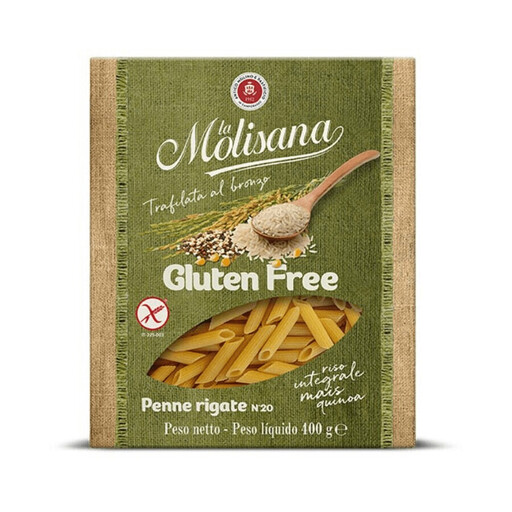 Image unavailable
These penne are worth considering if this shape suits the meal you want to prepare for a ride. Check the ‘gluten-free’ label and net weight on the packet you receive, and try your portion and the whole meal during training.
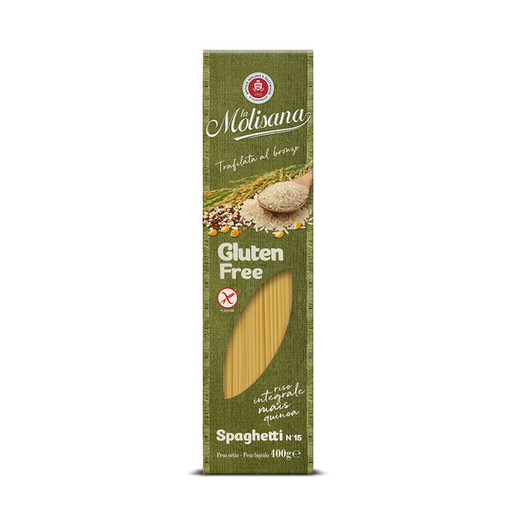 Image unavailable
Try these spaghetti in a training meal to see how you get on with a recipe listing wholegrain rice, maize and quinoa. The packet is shown as 400 g; check its ‘gluten-free’ label before preparing it, and don’t assume the ingredients alone will determine your digestive comfort.
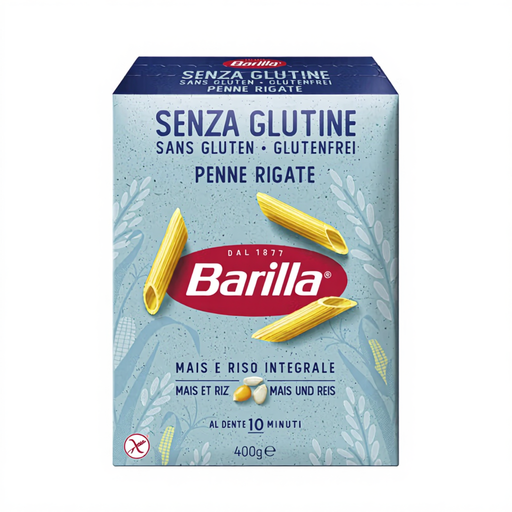 Image unavailable
These 400 g penne are an option for a pasta meal before or after a ride. The Joybuy product listing describes a recipe made with white maize, yellow maize and brown rice. Check the ‘gluten-free’ label and cooking instructions on the packet you receive.
No. The ingredients list alone does not establish that the finished product is suitable. Look for an explicit ‘gluten-free’ label on the packet you buy, and avoid cross-contamination during preparation.
The Crossed Grain symbol is an additional guide, separate from the ‘gluten-free’ label to look for on the packet. The AFDIAG describes checks associated with the symbol; its absence alone is not enough to judge another product labelled ‘gluten-free’.
Choose a gluten-free product and try the whole meal, portion and timing during training. Guidance published by the American College of Sports Medicine recommends adapting the type, amount and timing of food and drink to the sporting situation; the pasta’s ingredients alone won’t determine these choices.
Yes, provided you avoid contact with gluten-containing foods during preparation. Use fresh cooking water and clean utensils, and clean the surfaces. The AFDIAG specifically recommends not reusing water that has been used to cook foods containing gluten.