What should you check before buying?
When buying pasta for someone with coeliac disease, first check that the specific product is labelled ‘gluten-free’. Once you’ve confirmed this, compare the price per kilo, whether you’ll be able to buy the same product again and which shape will work for your meals.
| What matters |
What to check |
Who this matters to |
| Gluten-free identification |
The ‘gluten-free’ label on the product you’re buying; look for the Crossed Grain symbol too if you’re also looking for this certification. |
If I have coeliac disease, I want to recognise the right pack without trying to work out whether it’s suitable from the ingredients alone. Around 50% of consumers are said to put this identification at the top of their list of concerns. |
| Budget and restocking |
The price per kilo, pack size and availability at your usual shop or through its online shopping service. |
To stock my cupboard without making too many shopping trips, I want a product I can buy again in a pack size that suits how much I eat. This is said to be the top priority for around 30% of consumers. |
| Shape and preparation |
A shape suited to the meals you have planned and the cooking time shown on the specific pack. |
Between lectures, I’d rather buy pasta I’ll actually cook than build up a collection of different shapes. Convenient meals are said to be the priority for around 20% of consumers. |
According to AFDIAG, a product labelled ‘gluten-free’ must contain less than 20 mg/kg of gluten. The Crossed Grain symbol indicates a separate certification. Check for it on the pack in question rather than assuming it applies based on the brand or another pasta shape.
Pasta brands to know when making your choice
The ranges and products below can help you identify shapes and labels to check. A brand’s inclusion in this list doesn’t mean that all its pasta is suitable for someone with coeliac disease.
Barilla
The Barilla Gluten-Free range includes macaroni, penne rigate, tagliatelle and lasagne sheets.
- Barilla describes this range as made with white corn, yellow corn and rice, with no added starch. It also says the range is certified to carry the Crossed Grain symbol.
- Before buying, check the label and whether the symbol appears on the specific product and pack you’ve chosen.
Carrefour No Gluten
Carrefour product listings show gluten-free spaghetti and fusilli in 500 g packs.
- The spaghetti listing describes a product made with corn and rice flour.
- Check the shape you want, its labelling and availability at your chosen shop or through its online shopping service.
Auchan
The Auchan product listed here is a 500 g pack of gluten-free macaroni.
- Auchan’s listing gives the ingredients as white corn flour, yellow corn flour and rice flour, with a stated cooking time of 8 to 9 minutes for this macaroni.
- These ingredients and the cooking time apply to this product only. Check any other shape separately.
Chaque Jour Sans Gluten / Marque Repère E.Leclerc
E.Leclerc lists gluten-free penne, macaroni, spaghetti, fusilli and tagliatelle in this range.
- The penne listing describes a 400 g pack made with corn and brown rice.
- Check the pack size and availability of your chosen shape at your E.Leclerc store.
Panzani
The durum wheat pasta shown by Panzani isn’t a gluten-free option just because it carries this brand name.
- The brand offers a range of pasta shapes, which you can check product by product.
- If you’re buying for someone with coeliac disease, choose only a specific pack labelled ‘gluten-free’.
Lustucru
Lustucru offers standard pasta and fresh egg pasta, among other products. Neither category should automatically be assumed to be gluten-free.
- The range of shapes can help you find the type of pasta you’re after before you read the label on each product.
- A Lustucru penne listing states ‘naturally contains gluten’. Don’t use this product as a substitute for one labelled gluten-free.
Pasta available on Joybuy
This selection includes short and long shapes to help you put together meals after moving into your new home. If you’re buying for someone with coeliac disease, check the ‘gluten-free’ label on the packaging you receive, even if those words appear in the product name. Also look for the Crossed Grain symbol if you’re looking for this certification.
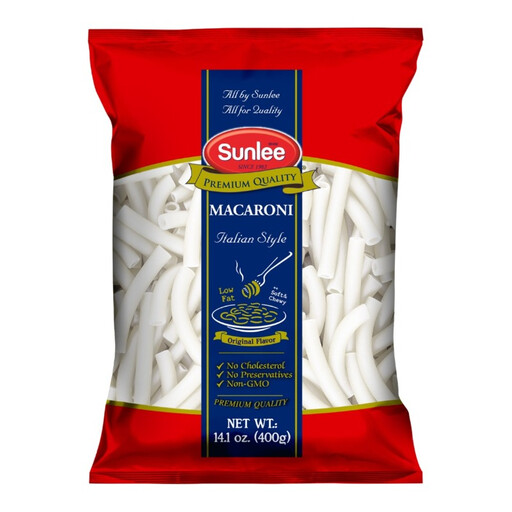 Image unavailable
Sunlee Rice Macaroni Long, 400 g
A long shape to consider if it suits the dishes you make. This is rice macaroni in a 400 g pack. Check the packaging for the ‘gluten-free’ label before serving it to someone with coeliac disease.
View on Joybuy
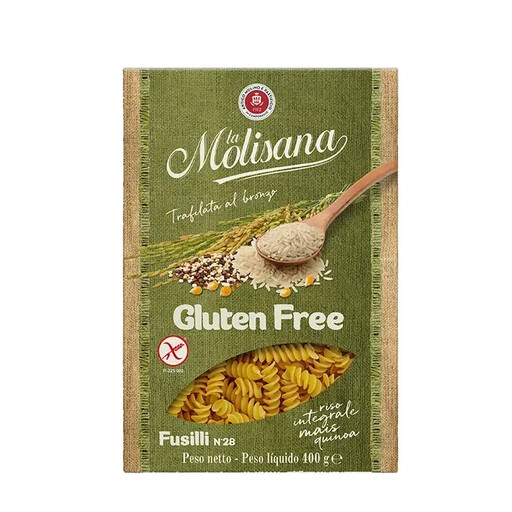 Image unavailable
La Molisana Gluten-Free Fusilli N.28, 400 g
These fusilli are a short shape for dishes where you’d like to use this type of pasta. The pack is listed as 400 g; check that the packaging you receive carries the ‘gluten-free’ label.
View on Joybuy
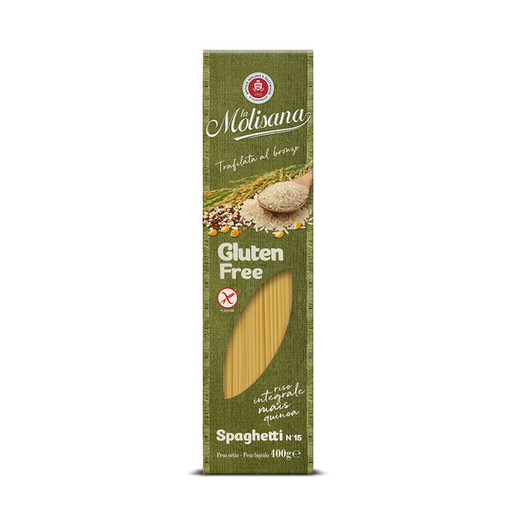 Image unavailable
La Molisana No. 15 Gluten-Free Spaghetti, brown rice, corn and quinoa, 400 g
A long shape if spaghetti is a regular part of your meals. The name of this variety lists brown rice, corn and quinoa, and the pack is 400 g. Check that the packaging you receive carries the ‘gluten-free’ label.
View on Joybuy
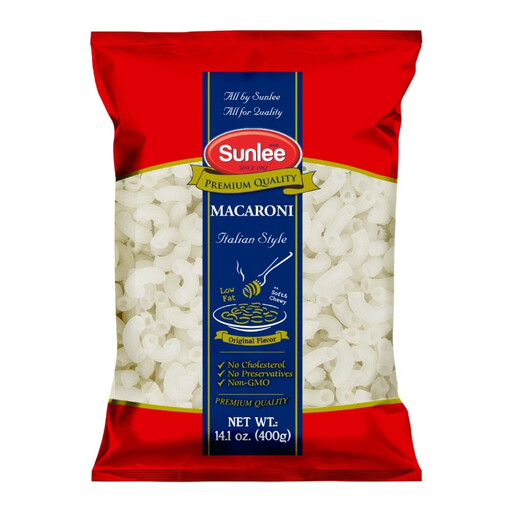 Image unavailable
Sunlee Rice Macaroni Short, 400 g
This short shape could be a good fit if you make dishes with macaroni. The pack contains 400 g of rice macaroni. If you’re serving someone with coeliac disease, check the packaging for the ‘gluten-free’ label and follow its cooking instructions.
View on Joybuy
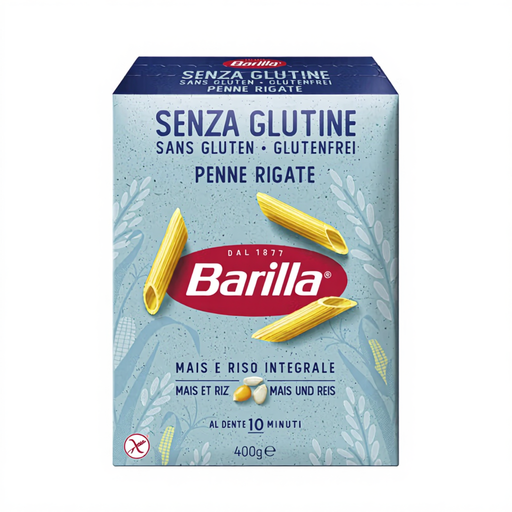 Image unavailable
Barilla Gluten-Free Penne Rigate, 400 g
These penne rigate are a short shape for meals where you’d usually use penne. The pack is listed as 400 g. Check for the ‘gluten-free’ label and, if certification matters to you, look for the Crossed Grain symbol on this specific pack.
View on Joybuy
Frequently asked questions
Is the ‘gluten-free’ label enough when choosing pasta for someone with coeliac disease?
Look for the ‘gluten-free’ label on the specific product. According to AFDIAG, this means the product contains less than 20 mg/kg of gluten; if the Crossed Grain symbol appears on the pack, it indicates an additional certification. Check the labels on any sauces and accompaniments you use, too.
Can you reuse the cooking water from ordinary pasta?
No, not when cooking pasta for someone with coeliac disease. AFDIAG recommends avoiding cross-contamination: use fresh water and clean utensils, then prepare the meal on a clean worktop.
Should you buy several pasta shapes as soon as you move in?
Not necessarily. Start with a gluten-free-labelled shape you’ll use for your usual meals. Add another shape if your recipes call for it, comparing pack weights, the price per kilo and whether you can buy it again at your local shop.
Can standard Panzani or Lustucru pasta be used instead of gluten-free pasta?
No. Don’t make the swap based on the brand or shape alone. Panzani offers durum wheat pasta, for example, and a Lustucru product listing says that one of its penne products naturally contains gluten. If you’re buying for someone with coeliac disease, check for the ‘gluten-free’ label on the exact product.
Can some gluten-free foods be covered by health insurance in France?
Yes. Assurance Maladie explains how to apply for coverage of certain gluten-free foods if you have coeliac disease. Check which products are covered and the applicable conditions with your local health insurance fund or in your ameli account. This doesn’t mean that all gluten-free pasta is covered.


