People with coeliac disease who are mindful of fat
Checking that the product you choose is labelled ‘gluten-free’ comes before comparing fat content. Then look at the pasta’s nutritional information and the other ingredients in the dish.


If you need to avoid gluten, first choose a product labelled ‘gluten-free’, then compare the fat content listed per 100 g of dry pasta. The Auchan and Carrefour product pages list 1 g and 1.5 g of fat per 100 g respectively for the products mentioned, but the sauce and toppings also affect the finished dish. Then choose a shape to suit your recipe and check the label on the exact pack.
Checking that the product you choose is labelled ‘gluten-free’ comes before comparing fat content. Then look at the pasta’s nutritional information and the other ingredients in the dish.
The sauce and toppings can change the make-up of a dish, even when the pasta itself is low in fat. Compare dry products on the same per-100 g basis, then consider the whole recipe.
Penne, spaghetti, fusilli and small pasta shells each work best in different dishes. Check the shape and pack size, while keeping the ‘gluten-free’ label and the nutritional information for the exact product in mind.
If you need to avoid gluten, start by checking the finished product’s labelling. Then compare the nutritional information and choose a shape and pack size to suit the meal you have planned.
| Criterion | What to check | Who it matters to |
|---|---|---|
| Gluten-free label | Look for the ‘gluten-free’ label on the exact pack and read the ingredients list. A maize- or rice-based recipe is no substitute for checking the finished product’s labelling. | If I need to avoid gluten, I want to confirm that the product is suitable before choosing its shape. Around 36% of people in this group prioritise this check. |
| Fat in the dish | Compare the ‘fat’ figure per 100 g of pasta in the same state, then look at the sauce and toppings separately. | When preparing a meal where I’m keeping an eye on fat, the whole plate matters more than the pasta alone. This is a priority for around 29% of people in this group. |
| Shape and ingredients | Choose a shape to suit the recipe and check the ingredients for that particular variety, as ranges can include several different products. | When I’m making a specific recipe, I first look for a pasta shape that works well in it, without assuming that every variety has the same ingredients. Around 21% of people in this group prioritise how the pasta works in their cooking. |
| Pack size available | Check the pack weight and the shape available at the shop where you plan to buy your pasta. | If I’m preparing several meals, I want a pack size that suits the quantity I need. Availability and pack size are the top priorities for around 14% of people in this group. |
The ingredients listed are not enough to confirm that the finished product is suitable for someone with coeliac disease. Look for the ‘gluten-free’ label on the product you choose.
Check the pack when you switch brand or shape, even if the main ingredients seem the same.
Nutritional information does not tell you whether a product is gluten-free. For example, Lustucru’s fresh egg short spaghetti product page states that it contains gluten.
If you need to avoid gluten, check for the relevant label first, then compare the fat content of products that meet this requirement.
The sauce, added fat and toppings all affect the fat content of the finished dish. Panzani specifically lists crème fraîche, bacon lardons and Parmesan among the ingredients to consider.
Check the ingredients and quantities for the whole recipe rather than relying on the pasta label alone.
Barilla’s gluten-free range combines white maize, yellow maize and rice, with shapes including small pasta shells, penne rigate and tagliatelle.
Carrefour No Gluten ! gluten-free penne rigate comes in a 500 g pack and is made with maize and rice.
Auchan’s range includes gluten-free maize and rice spaghetti in a 500 g pack.
The range includes several shapes, including penne, small pasta shells, spaghetti, fusilli and tagliatelle.
The Panzani range includes classic, wholegrain and high-protein pasta.
Lustucru offers classic pasta and fresh egg pasta, among other products.
These products come in a range of shapes to suit the recipes covered here. If you need to avoid gluten, check the label on the exact pack. To compare fat content, use nutritional information based on the same serving state and remember to factor in the sauce.
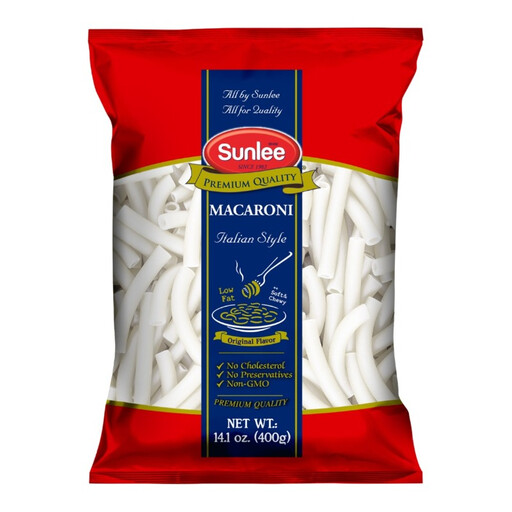 Image unavailable
If you’re making a dish with long rice pasta, check the pack for a ‘gluten-free’ label if you need to avoid gluten. The pack size is 400 g; also compare the fat content per 100 g on the label.
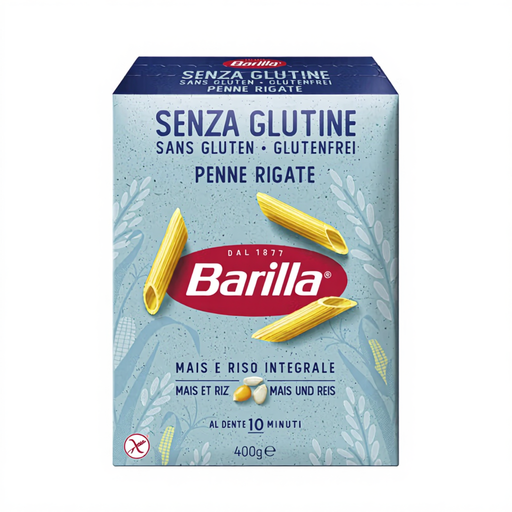 Image unavailable
For a penne recipe, this 400 g pack is labelled ‘gluten-free’ in its name. Check the label on the exact pack and compare the fat content per 100 g before choosing a sauce.
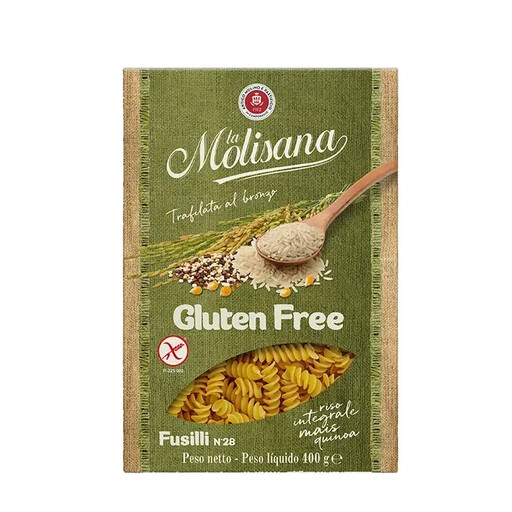 Image unavailable
For a recipe that calls for fusilli, check the ‘gluten-free’ label on this 400 g pack. Compare its fat content per 100 g with other products assessed in the same state.
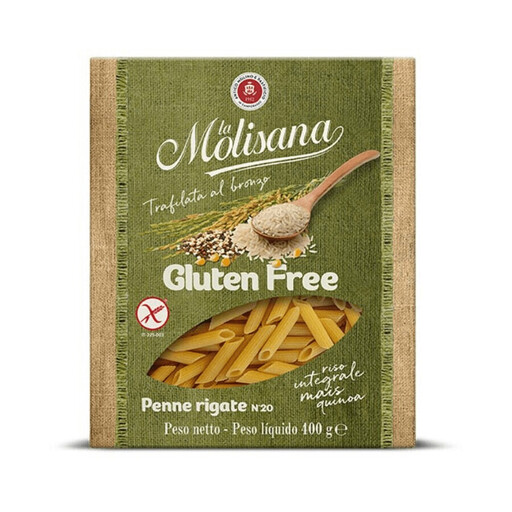 Image unavailable
If your recipe calls for penne rigate, check the ‘gluten-free’ label on product N°020. Check its nutritional information per 100 g and take the planned sauce into account.
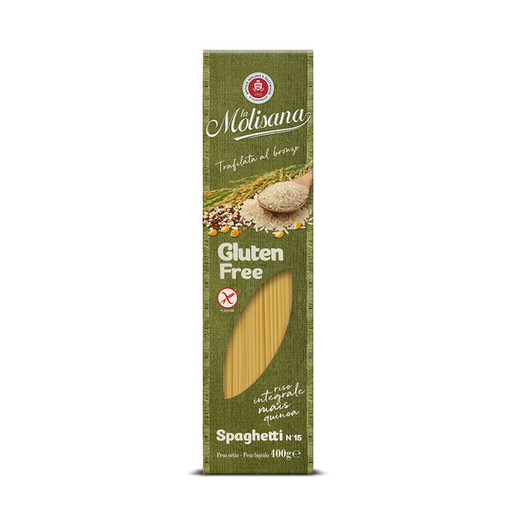 Image unavailable
For a spaghetti recipe, this 400 g variety lists wholegrain rice, maize and quinoa. Check the ‘gluten-free’ label on the pack and compare the fat content per 100 g before putting your dish together.
No. Choose a product whose packaging carries a ‘gluten-free’ label. Being made with maize or rice does not remove the need to check the finished product’s labelling, particularly if you switch brand or shape.
Read the ‘fat’ figure per 100 g and compare products listed in the same state. The product pages for Auchan spaghetti, Carrefour penne and Rummo spaghetti list 1 g, 1.5 g and 2 g per 100 g respectively. These figures do not describe the prepared dish.
Look at the sauce, any added fat and the toppings, as well as their quantities. Panzani specifically lists crème fraîche, bacon lardons and Parmesan among the ingredients that can significantly change the make-up of the dish.