People with coeliac disease
If you need to avoid gluten strictly, your first priority should be to check for a “gluten-free” label and read the ingredients for the exact product, rather than relying on its shape or topping.


If you need to avoid gluten strictly, don’t choose a standard fougasse based on its topping: Auchan’s olive fougasse lists wheat and wheat gluten, while PAUL’s lists T65 flour. To serve something to share, look for a product labelled “gluten-free”, or make your own using ingredients whose labels you’ve checked. A gluten-free pizza base can be used as a base for toppings, but it still needs to be cooked and won’t necessarily have the same qualities as fougasse.
If you need to avoid gluten strictly, your first priority should be to check for a “gluten-free” label and read the ingredients for the exact product, rather than relying on its shape or topping.
Gluten-free bread or another clearly labelled gluten-free base can take the place of fougasse for drinks and nibbles. A ready-made base you can top is a good option if you have time for the preparation and baking.
Making the dough yourself lets you choose the ingredients and toppings. You’ll need a recipe suited to the flour you’re using, and if you must avoid gluten strictly, you’ll also need to check every ingredient.
If you must avoid gluten, start by checking the label. Then choose between something ready to serve, a base to top, or making everything from scratch, depending on how much time you have.
| What to consider | What to check | Who it’s for |
|---|---|---|
| Strictly avoiding gluten | Look for a “gluten-free” label on the exact product, and read the ingredients and allergen information. | If I need to avoid gluten strictly, the label matters more than whether something looks like fougasse. Around 42% of consumers would put this check at the top of their list. |
| A convenient option to share | Compare the format and what you’ll still need to do: bread that’s ready to serve and dough that needs topping and baking meet different needs. | For a quick drinks-and-nibbles spread, I first look for a base that needs little work. Around 33% of consumers would prioritise convenience. |
| Making it yourself | Check the mix’s ingredients and choose a suitable recipe; if you need to avoid gluten strictly, check the other ingredients and utensils too. | When I cook from scratch, I want to choose the dough and toppings, even if it takes longer. Around 25% of consumers would put that freedom to make it their own first. |
Auchan’s olive fougasse product listing includes wheat flour and wheat gluten; PAUL’s lists T65 flour. The topping alone won’t tell you whether the dough is suitable if you need to avoid gluten strictly.
If you need to avoid gluten, look for a “gluten-free” label on the product you’re buying rather than relying on the name of its topping.
Auchan sells products in a gluten-free range, but the olive fougasse mentioned here contains wheat. The fact that a dedicated range is available doesn’t tell you about products sold alongside it.
Check the listing and packaging for the exact product before adding it to your basket.
E.Leclerc’s listed gluten-free all-purpose mix includes ingredients made from rice, potato and maize. Its “all-purpose” name doesn’t guarantee the same result as a fougasse recipe designed for wheat flour.
Choose a recipe designed for the mix you’re using, and check the labels on your toppings separately. If you need to avoid gluten strictly, take care to prevent possible contact with gluten-containing ingredients during preparation too.
The range includes a pizza base and an all-purpose gluten-free flour: two possible starting points for something to share, rather than fougasse that’s ready to serve.
Its gluten-free range is a place to look for bread and other alternatives, but that doesn’t mean all the fougasse sold by the retailer is gluten-free.
PAUL’s olive fougasse is a useful example of bakery-style fougasse, not an established gluten-free alternative.
Fougasse is among the speciality breads it sells, but being in this category doesn’t mean a product is labelled “gluten-free”.
This Joybuy selection features buckwheat flour for home cooking, not fougasse that’s ready to serve. If you need to avoid gluten strictly, check that the exact pack is labelled “gluten-free” before choosing this flour.
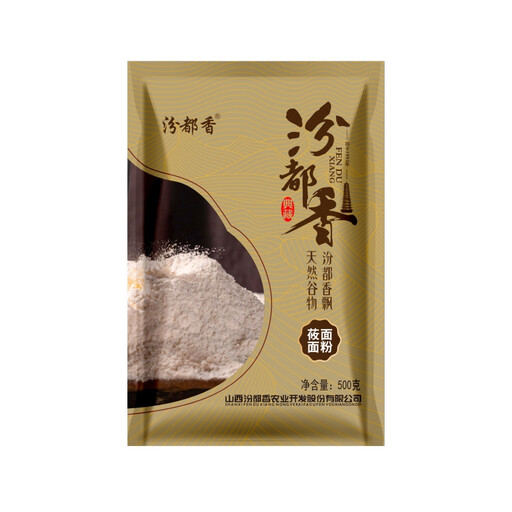 Image unavailable
To make a homemade dough inspired by fougasse, choose a recipe designed for buckwheat flour rather than using a wheat flour recipe without adapting it. The name of the flour alone doesn’t confirm that the pack is labelled “gluten-free”. Check the label and any information about possible contact with gluten if you need to avoid it strictly.
No. Auchan’s olive fougasse lists wheat flour and wheat gluten, while PAUL’s lists T65 flour. If you need to avoid gluten strictly, check that the exact product is labelled “gluten-free”.
According to the DGCCRF, this claim means that the finished product contains no more than 20 mg/kg of gluten. Its use is governed by Implementing Regulation (EU) No 828/2014. You should still read the ingredients and check the information about any other allergens relevant to you.
If it’s essential for you, first look for a “gluten-free” label. Then check the ingredients, highlighted allergens, quantity, and storage or preparation instructions. As the DGCCRF points out, the nutritional information per 100 g gives you a consistent basis for comparing prepacked products.
It can be used as a base for toppings and shared with others: E.Leclerc lists a gluten-free pizza base in its Chaque Jour Sans Gluten range. However, it still needs to be prepared and baked, and won’t necessarily have the shape or texture of traditional fougasse. Check the labels on your toppings too.
Yes, if you’re relying on a specific product to make your meal. Check its availability with your chosen store or online shopping service before setting off, then make sure the product you receive is the same one whose label you checked.