If you have coeliac disease, don’t assume traditional fougasse is gluten-free: choose a product explicitly labelled as such, and check its allergen information and the risk of cross-contamination. If you want something ready to eat with jam, gluten-free crispbreads or bread are suitable options. Flour is a better choice if you’d like to make a homemade alternative using an appropriate recipe.
Who are these options for?
People with coeliac disease
The priority is to identify a product explicitly labelled gluten-free and prevent cross-contamination during preparation. AFDIAG recommends taking care when shopping and preparing food at home; its crossed-grain logo can also help you identify certified products.
People looking for ready-to-serve toast
If you want to spread jam without cooking, gluten-free crispbreads or packaged bread can stand in for fougasse. Carrefour and E.Leclerc offer these formats in their gluten-free ranges, although their texture is different from fougasse.
People who want to make a flatbread
Gluten-free flour or a flour blend can be used to make something at home, but you’ll need to choose a suitable recipe. For someone with coeliac disease, AFDIAG also stresses the importance of avoiding contact with crumbs, surfaces and utensils used for foods containing gluten.
What should you look for?
If you have coeliac disease, first check the labelling and preparation conditions, then choose between a ready-to-eat base and an ingredient to cook with.
| Criteria |
What to check |
Who is it for? |
| Gluten-free safety |
Look for the words “gluten-free” and check the allergen information. For bakery products, also ask about how they are prepared; the crossed-grain logo is an additional point of reference. |
To prepare toast for someone with coeliac disease, you need to be able to identify the product and prevent cross-contamination; around 50% of consumers put this safety requirement first. |
| Ready-to-eat base |
Compare the format of the crispbreads with packaged bread, then check whether the product is available at your chosen shop. |
If you want to serve jam without cooking, a ready-to-eat base matters more than the shape of a fougasse; around 30% of consumers prioritise ease of use. |
| Homemade preparation |
Choose flour or a blend explicitly labelled gluten-free, along with a suitable recipe. Prepare it using surfaces and utensils protected from contact with gluten. |
If you want to recreate the shape of a flatbread, you can set aside time for the recipe and baking; around 20% of consumers prioritise making it at home. |
Mistakes to avoid
-
Judging a traditional fougasse by its appearance
Olives and oil don’t tell you which flour has been used. PAUL’s olive fougasse contains T65 flour, so its appearance is no reason to choose it as a gluten-free option.
If you have coeliac disease, look for a product-specific “gluten-free” label and ask for allergen information when buying from a bakery or purchasing an unpackaged product.
-
Assuming the ingredient list means there’s no risk of cross-contamination
Not seeing wheat in a recipe doesn’t tell you how the food is made or served. PAUL, for example, says it cannot guarantee that its products are free from cross-contamination by allergens.
Check the full label and any available information about preparation. Look for the crossed-grain logo if you’d like this additional point of reference.
-
Expecting flour to be a fougasse ready to bake
The gluten-free flours listed by Auchan are ingredients, not fougasse. Buying them doesn’t remove the need to choose a suitable recipe or follow the preparation instructions.
Before choosing this option, plan your recipe, the other ingredients you’ll need and a kitchen space protected from crumbs containing gluten.
Preparation also takes time and, depending on the recipe, may require other ingredients or utensils.
-
Assuming a product is always available
E.Leclerc advises checking the availability of certain products with the relevant store. Lidl, meanwhile, says its gluten-free products are available from time to time rather than as part of its permanent range.
Check the product listing and your store’s collection or delivery options before relying on a particular product.
Brands to know
These ranges can help you find gluten-free crispbreads, bread or ingredients. Always check the specific product rather than assuming its features from the brand name.
Carrefour No Gluten
Carrefour’s range includes gluten-free corn and rice crispbreads that can be used as a base for jam.
- Carrefour’s range includes a crispbread format.
- For fougasse, check the listing for the specific product separately; availability depends on the store and collection option.
Chaque Jour sans Gluten
This Marque Repère range, available from E.Leclerc, includes crispbreads and several types of gluten-free bread.
- Choose between crispbread and bread to spread your jam on.
- For some products, you’ll need to contact your E.Leclerc store to check availability.
Schär
The gluten-free Schär flour listed by Auchan is an all-purpose flour intended for homemade cooking and baking.
- It can be used as an ingredient in a suitable gluten-free bread recipe.
- It’s neither ready-to-eat crispbread nor a mix specifically designed for fougasse.
Mon Fournil
Auchan offers a gluten-free organic flour blend from Mon Fournil for a variety of recipes, including bread.
- The blend is an option for cooking at home rather than buying a ready-to-eat base for jam.
- Fougasse still requires a suitable recipe, baking and precautions to prevent cross-contamination.
PAUL
PAUL’s olive fougasse is included here as a point of comparison with traditional fougasse, not as a gluten-free suggestion.
- Its product information lets you check one key ingredient: T65 flour.
- PAUL cannot guarantee that its products are free from cross-contamination by allergens. Don’t consider this fougasse suitable for someone with coeliac disease.
Flours for homemade baking on Joybuy
These two Joybuy products are flours to consider for making a homemade alternative. They’re neither fougasse nor ready-to-eat crispbreads for topping with jam. If you have coeliac disease, check the “gluten-free” label and the product packaging for information about cross-contamination.
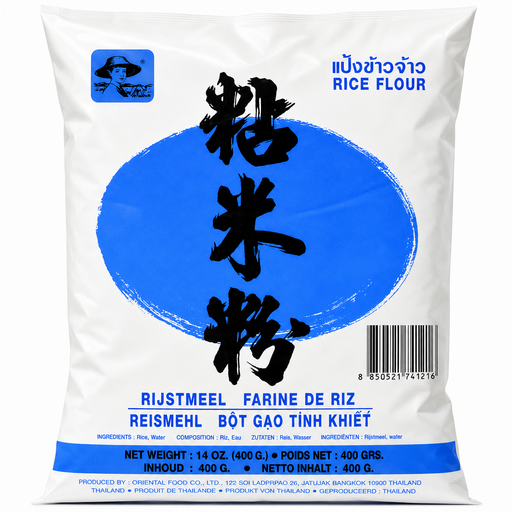 Image unavailable
Farmer Brand, rice flour 400 g
Worth considering if you’d like to make a base for toppings yourself rather than buying ready-to-eat bread.
This is rice flour, not a blend formulated for fougasse. Choose a suitable recipe and check the gluten-free labelling before cooking for someone with coeliac disease.
View on Joybuy
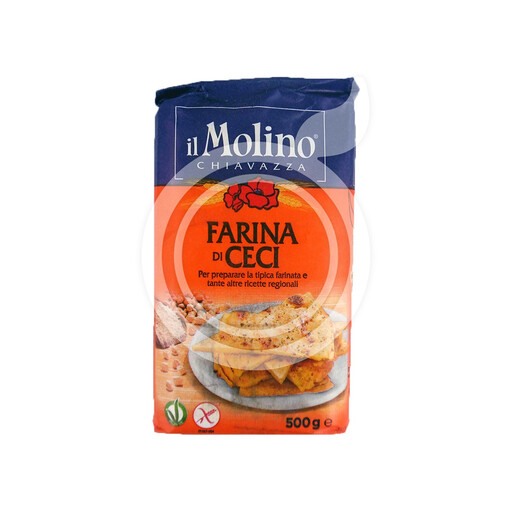 Image unavailable
MOLINO CHIAVAZZA, chickpea flour 500 g
Consider this for homemade cooking if you’d like to work with chickpea flour.
This flour on its own isn’t ready-to-serve toast or a fougasse mix. Check the gluten-free label on the packaging, choose a suitable recipe and avoid contact with foods containing gluten.
View on Joybuy
Frequently asked questions
Is traditional fougasse suitable for someone with coeliac disease?
Don’t consider it gluten-free unless you have product-specific information to confirm this. PAUL’s olive fougasse lists T65 flour among its ingredients. If you’re buying for someone with coeliac disease, look for an explicit “gluten-free” label and also check the allergen and preparation information.
What do the “gluten-free” label and crossed-grain logo tell me?
According to AFDIAG, the “gluten-free” label means the gluten content does not exceed 20 mg/kg. The association describes the crossed-grain logo as a certification mark for products that carry it; always check the label of the specific product you’re buying too.
Can I use my usual toaster for gluten-free bread?
For someone with coeliac disease, AFDIAG recommends using a toaster reserved for gluten-free foods to avoid contact with crumbs from ordinary bread. You should also protect the worktop and utensils during preparation.
Will I find the same gluten-free products in every shop?
Check the product with your chosen store before making a trip. E.Leclerc advises contacting certain stores to confirm product availability, while Lidl says it offers gluten-free products in occasional promotions rather than as part of a permanent range.


