What should you check before choosing?
First, decide what you want to take with you: an ingredient for a prepared dish, a ready-to-eat dessert or a drink. For someone with coeliac disease, choosing a format never replaces checking that the exact product is labelled “gluten-free”.
| Consideration |
What to check |
Who this matters to |
| Gluten and contamination |
“Gluten-free” label on the exact product; precautions around shared surfaces, utensils and containers. |
When my meal is for someone with coeliac disease, I want to be able to check the product and avoid crumbs during preparation. Around 40% of consumers put this need first. |
| Format and storage |
Ready-to-eat product or cooking ingredient; portion size and transport and storage instructions. |
If I’m having lunch without the option to cook at the office, I prioritise a portion I can take with me and store as stated on the label. Around 30% of consumers put this need first. |
| Ingredients and nutritional information |
Allergens; sugars, protein and saturated fat per 100 g or 100 ml, then per portion eaten. |
When choosing between different coconut recipes, I look at their ingredients and how much I plan to eat, rather than assuming they’re interchangeable. Around 30% of consumers prioritise this comparison. |
Brands and retailers to know
These products illustrate different ways to use coconut; a brand or retailer appearing here does not confirm that every product it sells is labelled “gluten-free”.
Carrefour
Carrefour offers coconut milk for cooking, as well as an Alpro coconut plant-based drink.
- These formats make it easy to distinguish a cooking ingredient from a drink.
- Check the product page or packaging of each product you’re considering for a “gluten-free” label.
Auchan
Auchan features plant-based coconut desserts from LA COOP nature and Les Petites Pousses blueberry, both labelled “gluten-free” on their product pages.
- These desserts are worth considering if you want something you can eat at the office without cooking.
- The LA COOP dessert should be stored between 2 and 6 °C; the Les Petites Pousses recipe contains almonds.
Aldi
Aldi features Asia Green Garden coconut milk in a 400 ml pack, intended for cooking.
- This format is worth considering for preparing a dish to take with you.
- Check the exact product for a “gluten-free” label and follow its instructions for storage after opening.
Alpro
The Alpro product featured here is a 1 L coconut plant-based drink sold by Carrefour.
- This drink serves a different purpose from coconut milk for cooking.
- Its format doesn’t mean it can replace a meal; check that your chosen product is labelled “gluten-free”.
Joybuy products by format
These two products suit different needs for a day at the office: preparing a dish with coconut milk for cooking, or enjoying a coconut and matcha drink with lunch. If you have coeliac disease, check that the product you receive is labelled “gluten-free” before choosing it.
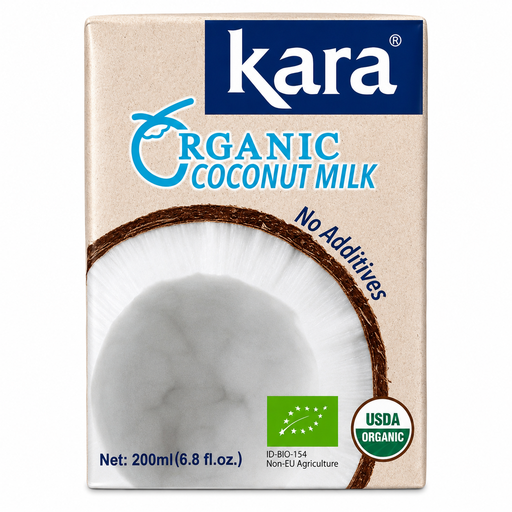 Image unavailable
Kara Organic Coconut Milk UHT 17 %, 200 ml
Coconut milk for cooking, worth considering if you’re preparing a soup, sauce or curry to take with you.
The stated pack size is 200 ml. Check the packaging for the fat content shown in the title, the “gluten-free” label and storage instructions after opening.
View on Joybuy
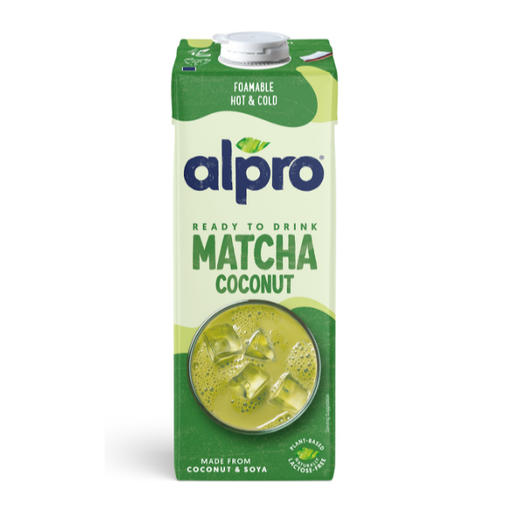 Image unavailable
Alpro Matcha coconut, 1 L
A coconut and matcha drink to enjoy with lunch, rather than coconut milk for cooking or a ready-to-eat meal.
The stated pack size is 1 L. The description mentions soya: check the ingredients and “gluten-free” label on the packaging if these are important to your purchase.
View on Joybuy
Frequently asked questions
What does “gluten-free” mean on food sold in France?
Under European Commission Regulation (EU) No 828/2014, it means that the food as sold to the final consumer contains no more than 20 mg/kg of gluten. If you have coeliac disease, look for this label on the exact product rather than assuming it from the word “coconut”.
Is coconut milk automatically suitable for someone with coeliac disease?
No. The name “coconut milk” confirms neither the full ingredients nor the absence of cross-contamination. Check that your chosen product is labelled “gluten-free”, then take care during meal preparation.
How should you reheat a gluten-free dish at the office?
Use a clean container and cover the dish in the microwave to limit contact with residue from other foods. The French Association of People with Gluten Intolerance also recommends cleaning surfaces and using clean utensils during preparation.
Does a plant-based coconut dessert need to be kept in the fridge?
Follow the temperature instructions for the product you buy: the LA COOP dessert featured by Auchan should be stored between 2 and 6 °C. If you take it to the office, make sure it’s transported and stored in a way that meets these instructions.
Does “gluten-free” also mean “nut-free”?
No, these labels refer to different characteristics. The Les Petites Pousses coconut and blueberry dessert featured by Auchan is labelled “gluten-free”, but its recipe contains almond protein. Always check the allergens in the exact product.


