When choosing a cereal bar for a snack, start with the ingredient you need to avoid: the words ‘gluten-free’ don’t guarantee that it’s free from hazelnuts, peanuts, milk or soya. Check the ingredients and warnings on the packaging of the product you’re considering, then compare the nutritional values per 100 g and the serving size according to your other priorities.
Who is this guide for?
People who need to avoid gluten or a specific allergen
A bar labelled ‘gluten-free’ may still contain other ingredients you need to avoid. The French Ministry of the Economy says that allergenic ingredients must be highlighted in the ingredients list. You should also check the warnings on the product you buy.
People comparing options for an afternoon snack
A bar’s size and recipe matter just as much as the words on the pack. The DGCCRF says that nutritional values per 100 g make it easier to compare products; the weight of each bar then helps you work out the size of your chosen serving.
What should you check?
When choosing a cereal bar for a snack, first check whether you need to avoid any particular ingredients. Then compare the serving size and format, depending on how you plan to carry or store it.
| What to consider | What to check | Who is it for? |
|---|
| Specific dietary exclusion |
The relevant claim, followed by the allergenic ingredients and warnings on the packaging. |
If I need to avoid gluten or a particular allergen, a general claim on the front of the pack isn’t enough to help me choose a bar. Around 50% of consumers rank this check as their top priority. |
| Ingredients and serving size |
Sugars, fibre and protein per 100 g, as well as the weight of one bar. |
When comparing two recipes for a snack, I want to distinguish their values per 100 g from what’s in the bar I’ll actually eat. This is the main priority for around 30% of consumers. |
| Taking it with you and storage |
Whether the bars are individually wrapped and the storage instructions for the product. |
When I take a snack with me, the packaging and storage instructions guide my choice. This is the priority for around 20% of consumers. |
Common pitfalls to avoid
-
Assuming ‘gluten-free’ means ‘allergen-free’
These two claims don’t mean the same thing. The gluten-free chocolate bar featured by Auchan contains natural hazelnut flavouring and warns that it may contain traces of milk, peanuts and other nuts.
Start with the ingredient you need to avoid, then read the ingredients and warnings on the packaging of the bar you’re considering.
-
Relying on the word ‘protein’ when choosing a bar for an allergy
A high-protein recipe may contain ingredients you need to avoid. The Nature Valley Protein product featured by Carrefour lists peanuts, soya and milk among its ingredients.
Check the full ingredients list rather than assuming the product is suitable based on its name alone.
-
Confusing ‘no added sugars’ with ‘sugar-free’
A bar labelled ‘no added sugars’ may still contain naturally occurring sugars. The NAKD product featured by Carrefour contains dates and peanuts, among other ingredients.
Check both the ingredients list and the nutritional information, and take the serving size into account.
Brands to know
Auchan
Auchan’s chocolate bar, sold in a pack of six, is labelled ‘gluten-free’.
- The bars in this pack are individually wrapped.
- It contains natural hazelnut flavouring and warns that it may contain traces of milk, peanuts and other nuts.
Chaque Jour Sans Gluten / Marque Repère E.Leclerc
The range includes a gluten-free oat flake and chocolate cereal bar, sold in a pack of six weighing 132 g.
- The E.Leclerc product page provides the ingredients and nutritional information for this product.
- The product page recommends contacting your E.Leclerc store to check availability.
Carrefour
The retailer offers cereal bars in a range of recipes, including products labelled ‘gluten-free’.
- Product pages for items such as Eat Natural and Nature Valley let you compare the listed ingredients.
- A ‘gluten-free’ claim on its own doesn’t tell you whether a product contains other allergens.
Kellogg’s
The products reviewed include a Croustille Oat & Honey bar and an Almond & Peanut bar.
- Kellogg’s France states that the Croustille Oat & Honey recipe contains 61% whole oats.
- The recipes reviewed contain allergenic ingredients, including soya in Croustille Oat & Honey and several nuts in Almond & Peanut.
EAT NATURAL
The Almond, Raisin & Apricot product featured by Carrefour is labelled ‘gluten-free’.
- Its ingredients list specifies that it contains raisins, peanuts and almonds, among other ingredients.
- This product isn’t suitable if you need to avoid peanuts or almonds.
Cereal bars available on Joybuy
These cereal bars offer a range of recipes and formats to consider for an afternoon snack. If you need to avoid gluten or another ingredient, check each product individually before choosing.
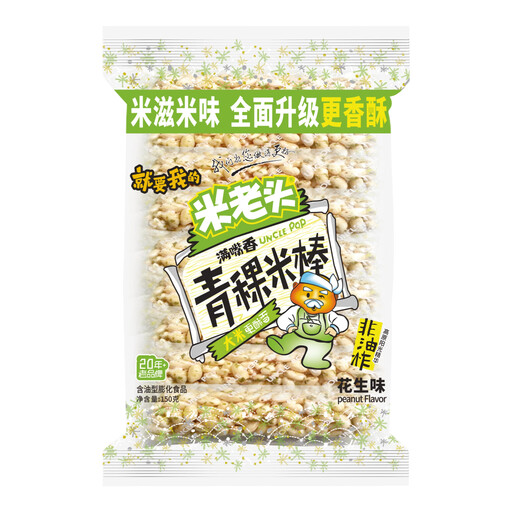 Image unavailable
Mi Laotou Barley Rice Bar, peanut flavour, 150 g
Its individual wrapping makes it a handy snack to take with you. The product page lists barley, which contains gluten, as well as peanuts and soya. This bar isn’t suitable if you need to avoid any of these ingredients. Check the warnings on the packaging you buy.
View on Joybuy
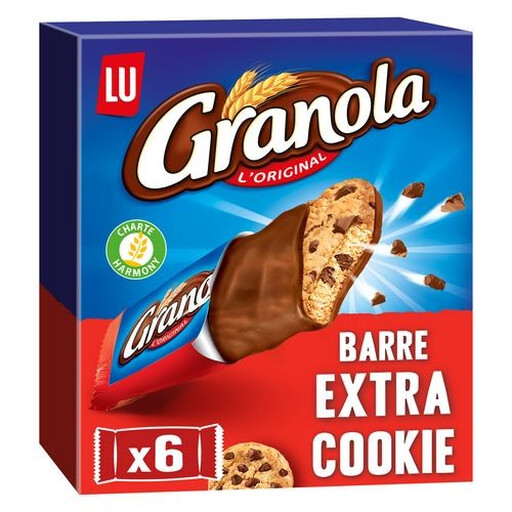 Image unavailable
Granola Extra Cookie Bar, 6 bars, 168 g
This pack of six bars gives you a few snacks to enjoy. The product page provides nutritional values per 100 g and lists wheat, milk and soya, with a possible presence of egg. Read the warnings on the packaging if you need to avoid an allergen.
View on Joybuy
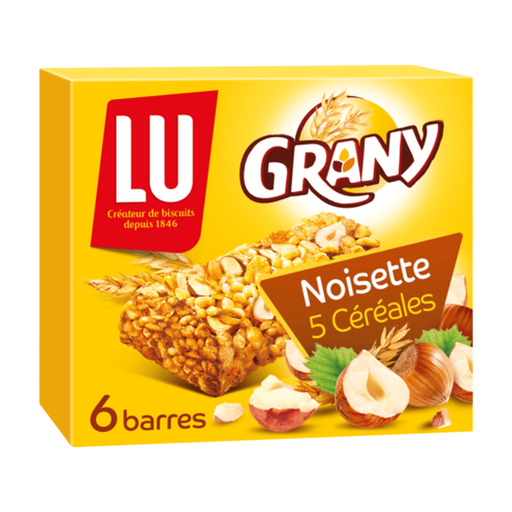 Image unavailable
LU Grany Hazelnut cereal bars, 125 g
This hazelnut recipe may appeal if you’re looking for that flavour in a snack. It contains cereals with gluten and hazelnuts; the product page also indicates a possible presence of milk and other nuts. Check the packaging and warnings for the product you buy.
View on Joybuy
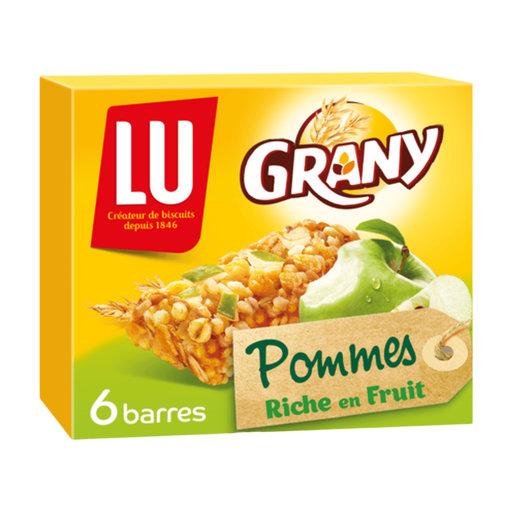 Image unavailable
LU Grany Apple cereal bars, 125 g
The apple recipe gives you another option to compare for snack time. The product page provides nutritional information per 100 g and lists allergens related to cereals, soya, milk and nuts, as well as sulphites. Check the packaging if you need to avoid a specific ingredient.
View on Joybuy
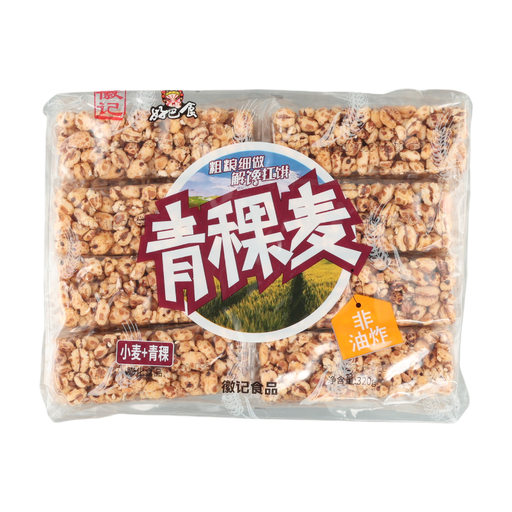 Image unavailable
Hui Ji Barley cereal bars, 320 g
According to the product page, the 320 g bag should be resealed after opening. It lists wheat and gluten, so this product isn’t suitable if you need to avoid gluten. To compare its ingredients or check for other ingredients you need to avoid, see the nutritional information and warnings on the packaging.
View on Joybuy
Frequently asked questions
Is a ‘gluten-free’ bar also free from other allergens?
No. This claim doesn’t guarantee that a bar is free from milk, peanuts or nuts. The gluten-free chocolate bar featured by Auchan contains natural hazelnut flavouring and warns that it may contain traces of several allergens. Check the ingredients and warnings for the product you’re buying.
How do you compare two bars of different sizes?
First compare their nutritional values per 100 g, then check the weight of each bar to work out the serving size. The DGCCRF explains that showing values per 100 g makes it easier to compare products.
Does ‘no added sugars’ mean ‘sugar-free’?
No. A bar labelled ‘no added sugars’ may still contain sugars that occur naturally in its ingredients. Read the ingredients list and the ‘sugars’ line in the nutritional information.
How should you store a cereal bar for snack time?
Follow the storage instructions on the packaging. The Auchan and Kellogg’s products reviewed say to store them in a dry place; the Auchan product page also says to protect the bar from heat and humidity.
Where can you find allergenic ingredients on a pre-packed bar?
Check the ingredients list on the packaging. For pre-packed food in France, the Ministry of the Economy says that allergenic ingredients must be listed and highlighted. You should also read the warnings for the product you buy.


