
Livraison le jour même ou le lendemain

Qualité garantie

Débloquez vos offres de bienvenue: Livraison GRATUITE | Jusqu'à -80 % | 30 jours d'essai gratuits à JoyPlus
Téléchargez l'application
Whether it's a DIY project, an urgent repair, or a planned renovation, your success often hinges on a detail that's easy to overlook: choosing the right fastening or sealing product. Faced with shelves overflowing with glues, sealants, and adhesives making sometimes misleading claims, it's easy to make a mistake. The wrong choice can lead to a failed repair, a seal that turns black in weeks, or worse, irreversible damage to your materials.
As the Head of Product Recommendations at Joybuy, my role is to help you navigate this landscape. Let's break down the most common pitfalls together, so you can approach the aisle with confidence and make the right choice.
To avoid these setbacks, a few simple checks are all it takes before you head to the checkout. The information on the packaging is your best safeguard against a useless purchase.
Before even considering bond strength or drying time, the first question to ask is: "What am I applying it to?"
A high-performance indoor product can prove completely ineffective once exposed to the elements.
Although the terms are sometimes used interchangeably, they refer to very distinct functions.
Rather than an endless list, here are a few products that cater to specific user profiles and needs, keeping in mind the pitfalls we've just discussed.
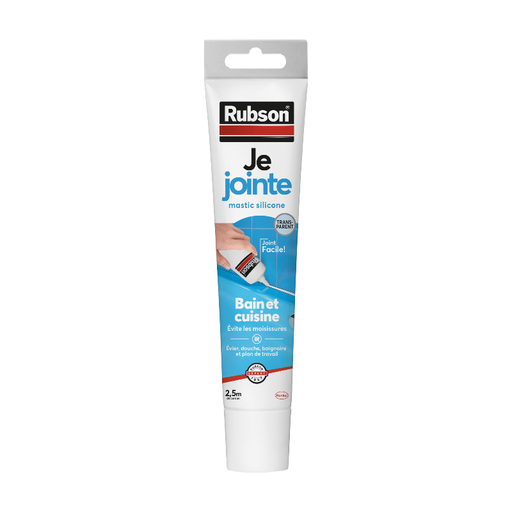
Why it's a great fit: Perfect for a quick touch-up in the kitchen or bathroom. Its ready-to-use tube format doesn't require a caulking gun, making it highly accessible for one-off use without needing to invest in extra tools.
This product is a bathroom sealant by definition. Its anti-mould formula directly addresses the problem of degradation in damp environments, helping you avoid the trap of an unsuitable generic product.
Disarmingly simple thanks to its integrated applicator. It adheres perfectly to common sanitary materials (enamel, ceramic, glass).
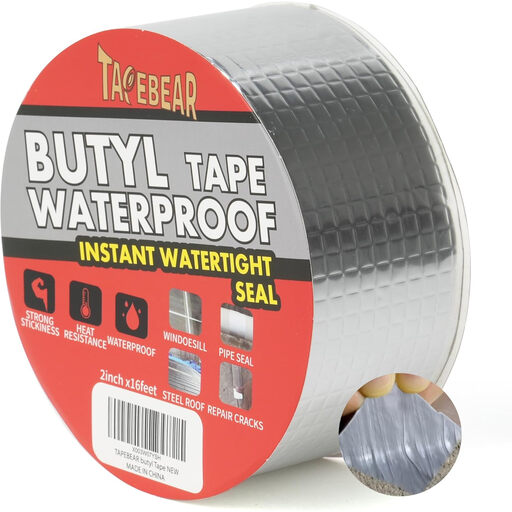
Why it's a great fit: Essential for an RV repair, a boat, or a roof. This tape provides an immediate, ultra-durable waterproofing solution to seal a leak on a skylight, window, or bodywork joint.
This is a specialised waterproof adhesive tape, not a "do-it-all" product. Its pure butyl composition and resistance to extreme temperatures (-40°C to 80°C) and UV rays are tailor-made for the harshest outdoor conditions.
Super-strong, flexible adhesion on numerous surfaces (metal, wood, fibreglass). Instant application with zero drying time.
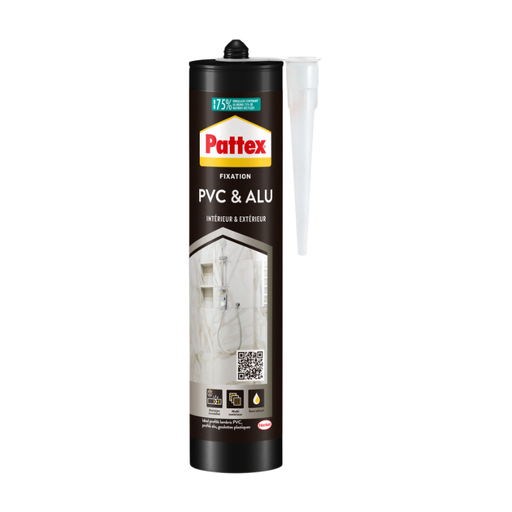
Why it's a great fit: For renovation projects that demand a powerful and durable bond: installing PVC panelling, electrical trunking, or heavy decorative elements. Its versatility on common construction materials makes it a powerful ally.
This product is upfront about its preferred materials (PVC, aluminium, metal) and its exclusions (PE, PTFE), which avoids the trap of a disappointing "all-in-one" product. Its resistance to extreme temperatures (-30°C to +90°C) and moisture makes it just as effective indoors as it is outdoors.
Very high load-bearing capacity (up to 25 kg/cm? according to the manufacturer) and a bond that remains flexible to absorb expansion. Effective on both sealed and porous surfaces.
We have prepared a complete, up-to-date selection of products that meet these demanding selection criteria and current standards.
What's the difference between a silicone and an acrylic sealant?Silicone sealant is known for its high elasticity and water resistance, making it the number one choice for wet rooms like the bathroom. Its main drawback: it generally cannot be painted. In contrast, acrylic sealant, while less elastic, is paintable. It is therefore ideal for filling cracks in walls or around interior woodwork before painting.
How long should you wait before putting stress on a bond? This varies enormously from one product to another. A contact adhesive or adhesive tape offers an immediate hold, whereas a metal epoxy glue may require 24 hours to reach its final strength, even if it hardens in a few minutes. Always read the manufacturer's instructions and don't confuse "setting time" (when the bond can hold itself) with "full cure time" (when maximum strength is achieved).
Can you paint over a silicone seal? As a general rule, no. Paint does not adhere at all to the smooth, non-porous surface of silicone: it will peel off in no time. If your seal needs to be painted, it is imperative to use an acrylic sealant or a hybrid polymer sealant labelled as "paintable".