
Livraison le jour même ou le lendemain

Qualité garantie

Débloquez vos offres de bienvenue: Livraison GRATUITE | Jusqu'à -80 % | 30 jours d'essai gratuits à JoyPlus
Téléchargez l'application
An adhesive glue may seem interchangeable from one tube to the next. Yet glitter glue for paper, super glue for a quick repair and mounting adhesive for fixing a wall panel are designed for completely different requirements. Choose the wrong product and you could end up with a bond that comes loose, a stained surface or glue that becomes unusable after just a few applications.
Before placing your order, bear these three common pitfalls in mind:
It all starts with the surface. For paper, card or photographs, a glue stick or a water-based craft glue may be perfectly suitable. Glitter glue adds a decorative touch, but it is not designed for joining parts that will be subjected to significant stress.
For metal, ceramic, rubber, wood or certain plastics, cyanoacrylate glue — often known as super glue — is suitable for small, clean and rigid surfaces. However, check the exclusions stated on the packaging. Many products in this category are not compatible with PE, PP or PTFE.
Textiles require a specific formula. Fabric glue needs to remain flexible enough to move with the fabric. For pipes, choose a PVC adhesive designed for rigid PVC and carefully observe the curing time before repressurising the system.
A transparent instant-setting glue is handy for discreet repairs, but leaves very little time to reposition the pieces. A precision nozzle or gel formula makes it easier to control the amount applied and minimise overflow.
Drying time also matters for creative projects. UHU glitter glue product sheets state approximately 60 minutes before light handling and up to 4 hours for complete drying. These times apply specifically to that product and should not be treated as a general rule for all glues.
When fixing a decorative panel, a mounting adhesive may require initial support, followed by around 24 hours before reaching maximum strength. The load, temperature, wall porosity and thickness of the bead can all affect the result.
Water-resistant glue is not necessarily suitable for permanent immersion. For a repair exposed to splashes, read the instructions and check the usage limits carefully.
The pack size should also match your project:
Before applying the glue, clean, dry and degrease the surfaces. If the material is delicate or you are unsure about compatibility, test the product on an inconspicuous area.
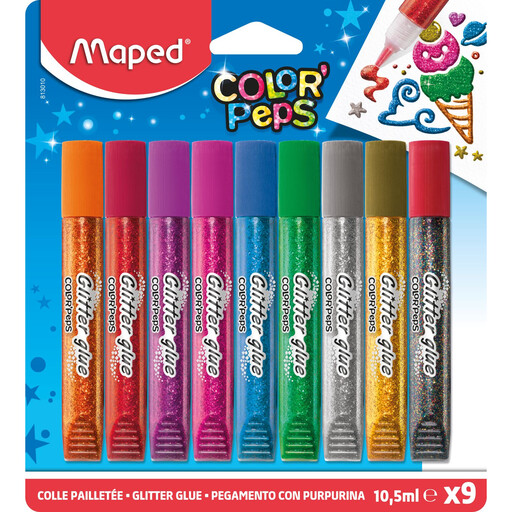
Why this choice suits this profile : The nine 10.5 ml tubes offer a range of colours for drawings, cards and school activities, without having to buy several products separately.
It is presented as a decorative glue for paper and crafts, rather than as a strong adhesive intended for repairs.
Fine nozzle, water-based formula, nine shades and a subtle raised effect after drying. Not suitable for children under 3 years of age.
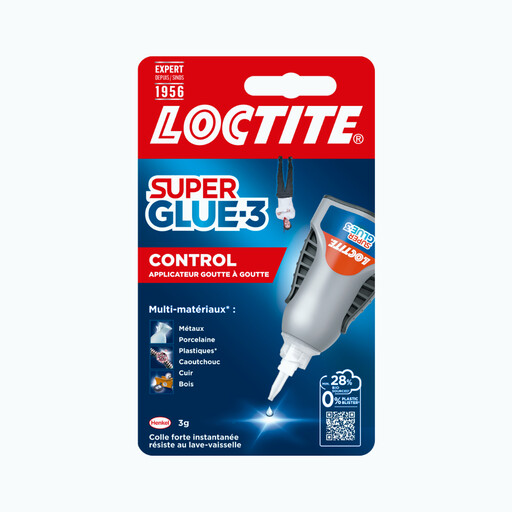
Why this choice suits this profile : Its controlled-flow dispensing system is ideal for anyone who wants to apply glue precisely when carrying out small repairs.
The push-button bottle helps prevent applying too much product, unlike a tube that can release too much liquid at once.
3 g of transparent glue, suitable for numerous materials and advertised as water-resistant. Not suitable for PE, PP or PTFE.
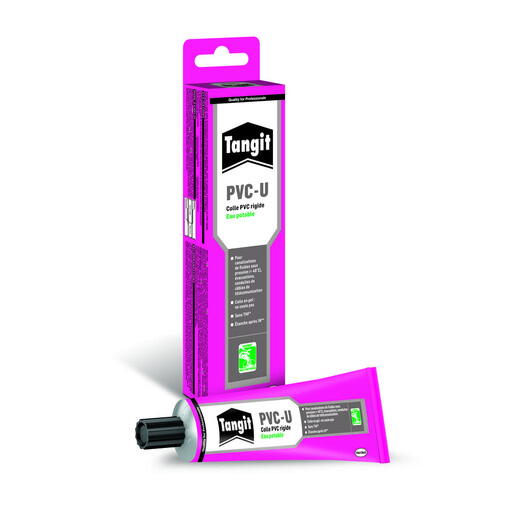
Why this choice suits this profile : This product meets a very specific technical need: assembling rigid PVC pipes and fittings in compatible installations.
It does not claim to replace a universal adhesive: its intended use is clearly focused on PVC-U and certain waste-pipe assemblies with ABS.
125 g tube, for application to clean, dry surfaces; intended for cold water under pressure, wastewater and rainwater systems.
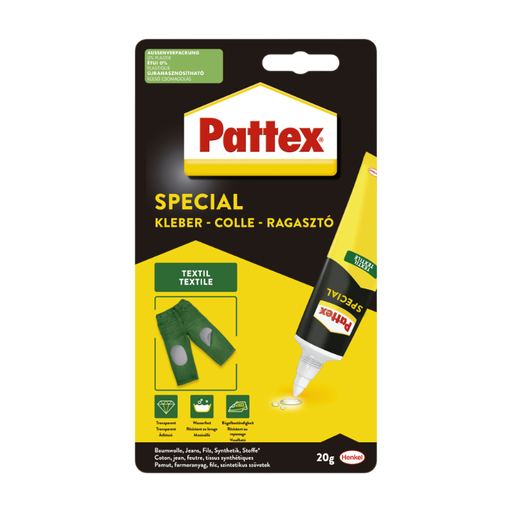
Why this choice suits this profile : For repairing clothing, accessories, felt or upholstery fabric, a dedicated formula is far more suitable than rigid super glue.
It is designed for cotton, denim, linen, felt and certain synthetic fabrics, with compatibility clearly specified.
20 g tube, transparent when dry, advertised water resistance and ironing possible according to the manufacturer's instructions. Final strength is reached after 24 hours.
We have put together a comprehensive, real-time updated selection of products that meet these strict selection criteria and European safety requirements.
With strong glue or super glue, apply a small amount to one surface only, then hold the pieces in place without sliding them. Take particular care around your fingers and eyes: cyanoacrylates bond to skin extremely quickly. Work in a well-ventilated room and keep the product out of children's reach.
For a glue stick, replace the cap immediately to prevent it from drying out. With glitter glue, clean the nozzle before putting the cap back on. Hot-melt glue sticks should only be used with a compatible 11 mm glue gun. Avoid any contact with hot glue.
Finally, store tubes away from heat, frost and direct sunlight. Shelf life depends on the formula, how airtight the cap is and how often the tube is opened.
A multi-surface glue may be suitable for small repairs involving wood, metal, ceramic, rubber or certain plastics. However, check which materials are excluded and carry out a preliminary test. For textiles, PVC or wall panels, a specialist formula is generally preferable.
Some products claim to be water-resistant and may even be suitable for use in a dishwasher. However, this property depends on the product and the nature of the bond. It does not guarantee that the bond will withstand prolonged immersion, high pressure or repeated temperature changes.
Clean the nozzle, remove any excess and carefully screw the cap back on after every use. Store the tube in a cool, dry place. If you only use glue occasionally, mini doses can help limit the amount of product wasted after opening.