
Livraison le jour même ou le lendemain

Qualité garantie

Débloquez vos offres de bienvenue: Livraison GRATUITE | Jusqu'à -80 % | 30 jours d'essai gratuits à JoyPlus
Téléchargez l'application
A glue stick seems simple enough to choose… until it dries out in its tube, leaves marks on your exercise books, or refuses to stick to cardboard. Whether it’s for school, the office, photos or craft projects, a few key criteria are all you need to avoid disappointing purchases.
A small tube can be perfectly fine for occasional use. For a classroom, a family or a craft workshop, however, it can end up costing you more. Always check the weight per stick, the number of units and the price per 100 grams.
On the flip side, a large pack is only worthwhile if the glue is properly resealed after every use. A lid that doesn’t close properly speeds up drying and can undo all the value of the bulk buy.
A paper glue is generally designed for lightweight, porous materials. It works well on paper, thin cardboard or photos, but not necessarily on wood, metal, plastic or items that need to withstand mechanical stress.
For projects that demand a stronger bond, hot glue sticks used with a glue gun offer another solution. However, they require more care, as the adhesive is applied at a high temperature.
Claims like solvent-free, washable or non-toxic should always be taken in context. They don’t mean the product can be applied to skin, ingested, or used unsupervised by a young child.
Always check the label, the recommended age and the compatible surfaces. A glue that washes off hands and some household surfaces can still leave a mark if it dries for too long or if the material is delicate.
For a pencil case, an 8.2 g stick is easy to carry and enough for occasional sticking. 21 g or 40 g sticks offer more staying power for folders, posters, scrapbooking and repeated use.
A multi-pack can be a good option for a classroom or office. However, do compare:
For a paper glue or cardboard glue, apply a thin, even layer to a clean, dry surface. Thick papers may need prolonged pressure, especially if the cardboard tends to curl back after application.
For photos, check the stated compatibility and aim for an even application to minimise rippling. Some products also mention lightweight fabrics, but it’s best to test on a scrap piece before committing to a final project.
A solvent-free glue can be perfectly suitable for school, home or the office, especially if you want a low-odour application. However, ‘washable’ and ‘solvent-free’ properties are based on the manufacturer’s instructions and don’t replace safety guidelines.
To keep your school glue in good condition:
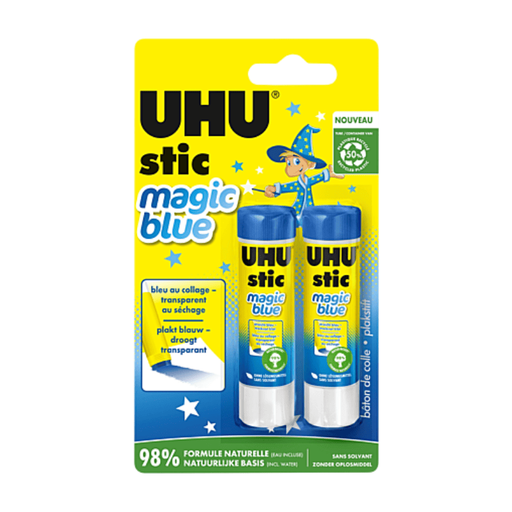
Why this suits this profile: Its small size is ideal for pupils, beginners and occasional sticking. Blue when applied, the glue turns transparent as it dries, making it easy to see which areas you’ve already covered.
The visual guide helps you avoid missing any spots, while the screw-top lid helps slow down drying between uses.
Stated solvent-free formula and washable in cold water; two 8.2 g sticks.
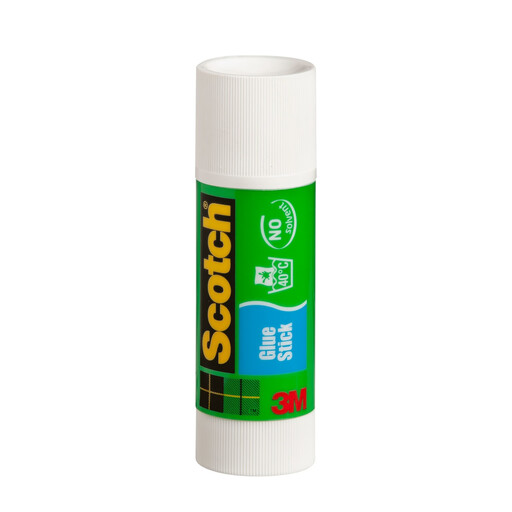
Why this suits this profile: At 40 g, this stick is for those who don’t want to keep replacing it during craft activities, page layout or document filing.
Its clearly stated weight stops you mistaking a large-looking pack for a generous amount.
Permanent adhesive; stated washable, acid-free and non-toxic formula according to the product sheet.
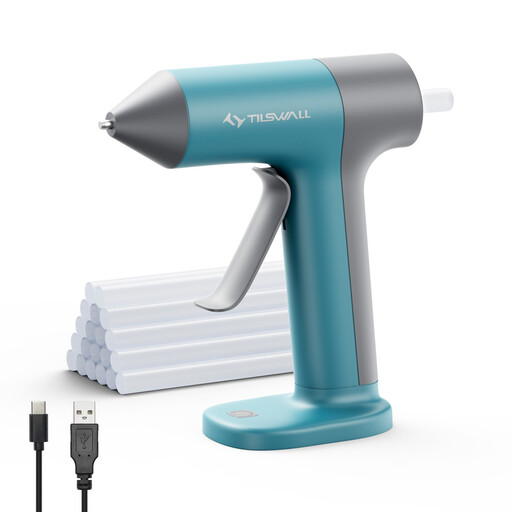
Why this suits this profile: This glue gun is ideal for craft hobbies, small repairs and projects that need to join several materials together, all without a cable.
The diameter of the supplied sticks is stated: 7 mm. So check compatibility before buying extra refills.
USB-C charging, stated preheat in 30 to 60 seconds and auto shut-off after five minutes of inactivity.
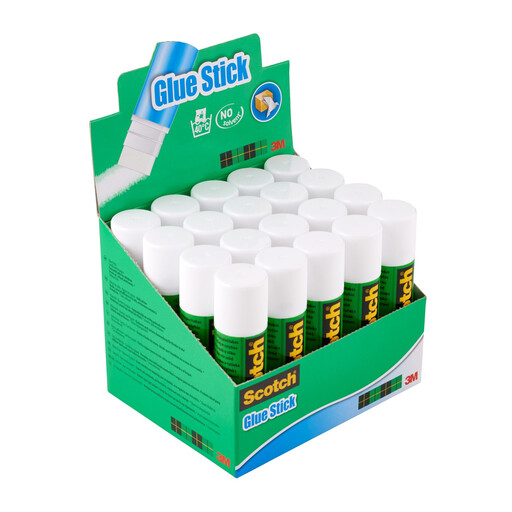
Why this suits this profile: With 20 units, this pack is ideal for regular use in a classroom, shared workspace or workshop.
The number of units and the weight per stick are clearly stated, making it easy to work out the cost per user.
Stated permanent adhesion; no visible dripping and a stated washable, acid-free and non-toxic formula.
We’ve put together a full selection, updated in real time, of products that meet these exacting criteria and European safety regulations.
The shelf life depends on the formula, how often you open it and the storage conditions. A well-closed lid, a dry place and a moderate temperature all help preserve its texture. If the stick becomes very hard, grainy or difficult to apply, it’s best to replace it.
For exercise books, sheets of paper and craft activities, a washable, solvent-free school glue is generally a practical choice. Check the recommended age, compatible surfaces and the manufacturer’s instructions. A child’s use should always be age-appropriate and, if necessary, supervised by an adult.
It all depends on the project. A standard glue stick usually needs no extra equipment and is fine for light sticking. A glue gun is better suited to creative assemblies and a variety of materials, but it requires a compatible device, the right refills and extra care due to the heat-related risks.