
Livraison le jour même ou le lendemain

Qualité garantie

Débloquez vos offres de bienvenue: Livraison GRATUITE | Jusqu'à -80 % | 30 jours d'essai gratuits à JoyPlus
Téléchargez l'application
Cleaning, DIY, cooking, or hitting the snowy slopes: every situation calls for the right pair of gloves. But with the vast array of available models, it's easy to make a mistake and end up with a product that's uncomfortable, flimsy, or simply unfit for purpose. Our mission? To help you make an informed choice. Let's review the classic mistakes to avoid and the essential criteria for a successful purchase.
Marketing can often be deceiving. Attractive packaging or a promise of versatility frequently hides flaws that only become apparent with use. Here are the most common traps.
To make the right choice, focus on a few key points that define the quality and suitability of a pair of gloves for your needs.
Choosing the material is the first step. Each has unique properties suited for specific uses.
Your activity will determine whether you need disposable models or ones designed to last.
To illustrate these criteria in practice, here are a few products recommended by our editors, each tailored to a specific need.
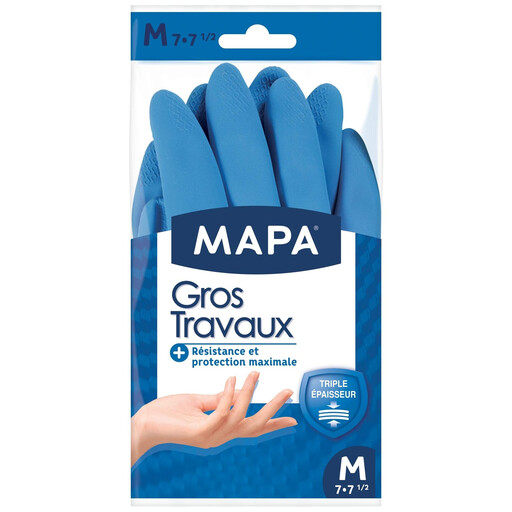
Why we chose it: The solution for major DIY projects, intensive gardening, or demanding household chores that require reliable and durable protection.
This is not a "do-it-all" glove. Its triple-layer latex design is specifically engineered for superior mechanical and thermal protection, where a standard model would tear in minutes.
The inner cotton lining ensures excellent comfort, even over long periods, while also absorbing sweat.

Why we chose it: Perfect for handling food hygienically, and a godsend for people with latex allergies.
It avoids the trap of an unsuitable material. Made from latex-free nitrile, it eliminates any risk of allergy. Its food-contact certification guarantees perfectly safe use in the kitchen.
The manufacturer, Spontex, ensures these gloves are certified compliant for all food types by an independent laboratory, for total hygiene and peace of mind.
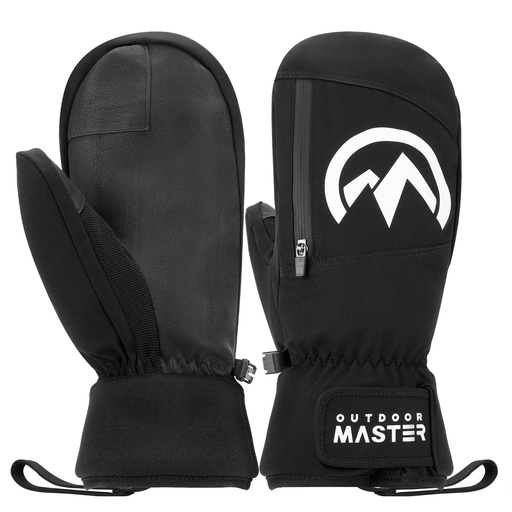
Why we chose it: A must-have for skiers and snowboarders, these mittens combine the thermal protection and waterproofing needed to keep hands warm and dry on the slopes.
This model avoids the trap of a generic "winter" glove. It is specifically waterproof and windproof, essential technical features that classic wool or leather gloves do not offer.
The mitten design, which keeps the fingers together, retains heat much better than standard gloves. This is a decisive advantage in extreme cold.
For cycling, weightlifting, or material handling, fingerless gloves protect the palm while leaving your fingers free. An ideal solution we've explored in a dedicated collection.
1. How do I choose the right glove size? To find your size, measure the circumference of your dominant hand (the right if you're right-handed) with a tape measure, excluding the thumb. Then, refer to the manufacturer's size guide. Keep in mind that the fit can vary slightly from one brand to another and depending on the material. For example, vinyl gloves will always have a looser fit than latex or nitrile gloves.
2. Are nitrile gloves really more durable than latex ones? Generally, yes. Nitrile offers better resistance to punctures, cuts, and many chemicals. Latex, on the other hand, is often more elastic and provides superior tactile sensitivity. The choice depends on the use: opt for nitrile when handling chemicals or sharp objects, and latex for precision tasks.
3. Can you wash and reuse disposable gloves? This is strongly discouraged. Disposable gloves are, by definition, single-use. Washing them can create micro-tears invisible to the naked eye, which destroys their protective barrier. Most importantly, it doesn't guarantee the removal of all contaminants, negating their primary hygienic purpose. Always dispose of them after each use.