
Livraison le jour même ou le lendemain

Qualité garantie

Débloquez vos offres de bienvenue: Livraison GRATUITE | Jusqu'à -80 % | 30 jours d'essai gratuits à JoyPlus
Téléchargez l'application
Craving a culinary adventure? The global biscuits aisle is a dream come true, offering a world tour of flavours without leaving your kitchen. Yet, the experience can quickly lead to disappointment. Between alluring packaging that hides a soulless product and vague marketing promises, it's hard to know what to choose.
As a Product Expert at Joybuy, my mission is to guide you through this gourmet jungle. Let's cut through the marketing jargon and get down to business. Here’s how to avoid the most common traps and choose international snacks that are truly worth your while.
To make an informed choice, you need to learn to read between the lines. Here are two things to check before you add anything to your cart.
For an imported product, clear labelling is non-negotiable. An ingredients list translated into your local language and compliant with EU standards is the first sign of a trustworthy product. Pay close attention to:
The word 'biscuit' can mean very different things from one country to another. Knowing how to tell them apart will help you find exactly what you're looking for:
To help guide you, here are a few of our favourites, selected for different kinds of food lovers.
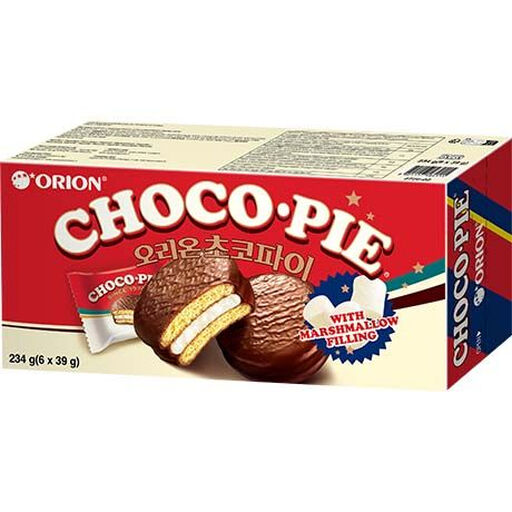
Why we recommend it: This is THE iconic snack from South Korea. For any fan of K-dramas and Korean culture, it's a chance to taste a cult classic. Its texture is unique: a soft cake encasing a marshmallow centre.
The Choco Pie doesn't deceive. Its identity is so strong and recognisable that expectations are clear, eliminating any risk of disappointment from a vague promise of 'authenticity'.
Its inimitable soft texture and individual packets, perfect for an afternoon snack or a treat on the go.
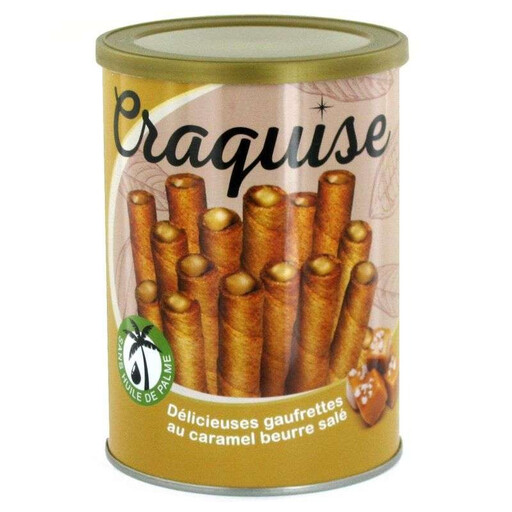
Why we recommend them: For those who appreciate a well-executed classic. Made in France, these wafers combine a light, airy texture with a generous salted butter caramel filling. The bonus? The beautiful metal tin, which is great for storage and perfect for gifting.
No disappointing filling here. The promise of a generous filling is kept, as confirmed by the quality ingredient list (concentrated butter, caramelised sugar).
An iconic flavour that everyone loves, a perfect crunch, and an elegant, reusable metal tin.
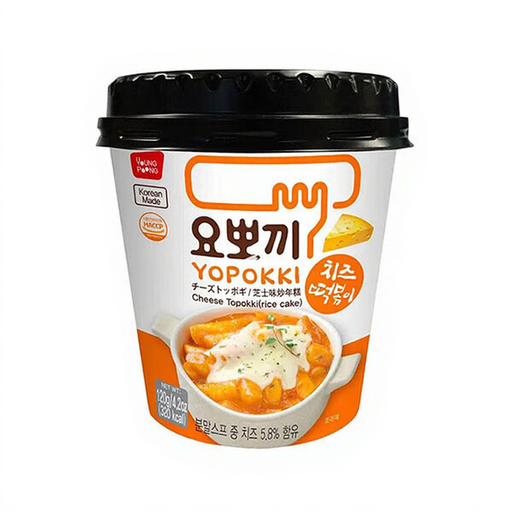
Why we recommend it: Ideal for those who want to venture off the beaten path. Forget classic biscuits: this is *tteokbokki*, Korean rice cakes with a unique texture that's both soft and '*chewy*'. They're coated in a creamy, slightly spicy cheese sauce. It's Korean street food, as if you were right there.
This product avoids the 'fake authenticity' trap by offering a very specific taste and texture experience. There's no doubt about it: you're eating a real Korean speciality, not a pale imitation.
Its ultra-convenient cup format is ready in minutes in the microwave. Perfect for a quick, original, and genuinely filling snack.
Explore our global sweet pantry to discover a hand-picked selection of products that meet all our quality criteria and European standards.
How should I store biscuits to keep them fresh? Most biscuits, especially crisp varieties like wafers and rusks, should be stored in an airtight container away from moisture and heat. For soft or filled biscuits, it's best to reseal their original packaging tightly or move them to an airtight container and consume them relatively quickly. In any case, the best practice is to follow the storage instructions on the packaging.
Are there any global biscuit tasting boxes available? Absolutely. Tasting boxes are an excellent way to explore a multitude of flavours. Often themed by country (e.g., an Asian specialities box) or by biscuit type, they make the perfect gift for a curious foodie.
Are Asian biscuits really that different from Western ones? Yes, and the differences are often quite distinct. Asian cakes and biscuits frequently incorporate ingredients like matcha tea powder, red bean paste (azuki), black sesame, or glutinous rice. The result is unique flavours and textures, which can be soft and 'chewy'. They are also generally known for being less sweet than most European or American biscuits.