
Livraison le jour même ou le lendemain

Qualité garantie

Débloquez vos offres de bienvenue: Livraison GRATUITE | Jusqu'à -80 % | 30 jours d'essai gratuits à JoyPlus
Téléchargez l'application
Taking your taste buds on a trip around the world is the latest trend. Online shops are overflowing with global beverages that make tempting promises: an exotic fruit juice from Thailand, a unique soda from Japan, or a Korean drink you spotted in a K-drama. But be warned: the initial excitement of discovery can quickly turn to disappointment.
As a product expert at Joybuy, I'm here to help you navigate this jungle of flavours. To avoid letdowns (and wasting your money), here are the most common traps to steer clear of.
To make an informed choice, it's essential to focus on a few objective criteria rather than falling for marketing ploys.
Exploring global flavours is an exciting adventure, as long as you know how to read between the lines. Here are the three key things to check to ensure you're making a great purchase.
This is the non-negotiable factor. A close look at the label often tells you more than the most beautiful packaging.
If you're looking for an authentic Asian tea or a drink that's typical of a specific country, check the "Made in" information or the manufacturer's details. This helps distinguish a genuinely imported beverage from a product that merely borrows its cultural imagery. A Korean drink made in South Korea is far more likely to deliver the original flavour you're expecting.
It's crucial to understand the main beverage categories to know what to expect:
To guide you, here are a few gems that tick all the boxes, each one perfect for a specific taste and occasion.
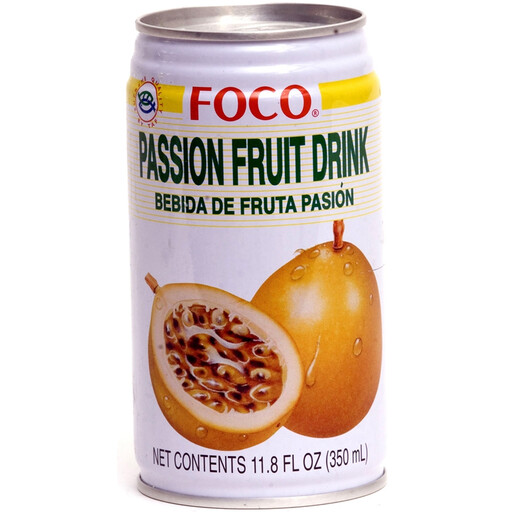
Why we chose it: Perfect for anyone seeking the true taste of passion fruit—intense and straightforward. This Thai drink is a benchmark for its perfect balance of sweet and tart, offering a true tropical taste getaway.
Unlike products that rely solely on marketing, this drink is all about transparency: it contains a minimum of 25% passion fruit juice, which guarantees a rich and authentic flavour.
A formula with no artificial colours or preservatives. The taste comes directly from the fruit, making it a high-quality choice in the exotic juice category.
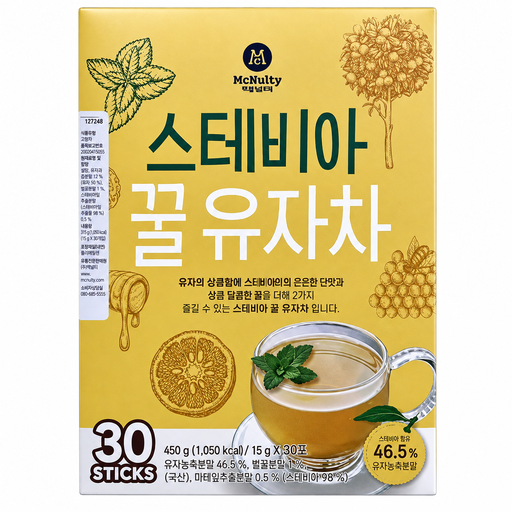
Why we chose it: Ideal for a comforting and unique break, completely guilt-free. This Asian tea is a traditional Korean herbal infusion, free from sugar and caffeine, making it perfect for a moment of relaxation.
It directly tackles the hidden sugar trap. The "Zero Sugar" claim is clear, and the sweetness comes from stevia, a natural sweetener. An authentically Korean drink that ticks the "healthy" box.
It combines a traditional Korean recipe (Ssanghwa) with a modern, health-conscious approach. The individual stick format is ultra-convenient.
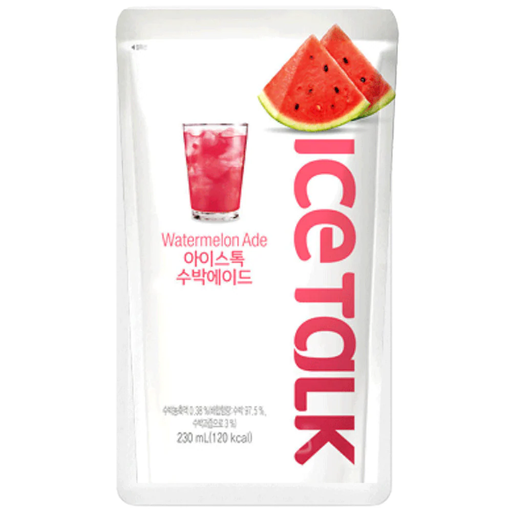
Why we chose it: For K-culture enthusiasts, this Korean drink is a true icon. Its soft pouch format is a staple of Seoul's *convenience stores*. It's a refreshing and fun drink, perfect for on-the-go consumption.
This product doesn't pretend to be something it's not: it's a fun treat, and it fully embraces it. Its value lies in its cultural authenticity (a format and flavour that are very popular in Korea), not in false health claims.
The pouch format is convenient and unique. The watermelon flavour is very refreshing. Note: contains E129 colouring, which may have an adverse effect on activity and attention in children.
Did you know that many alternatives, like plant-based drinks or coconut waters, are naturally gluten-free? Explore our selection to find the one that's right for you.
Most beverages, especially fruit juices and plant-based drinks, should be refrigerated after opening and consumed within 3 to 5 days. Sodas will lose their carbonation quickly. It's always best to follow the instructions on the packaging.
E-commerce platforms specialising in international products, like Joybuy, are an excellent source. They provide access to a wide selection of products imported directly from their country of origin, offering a much broader choice than traditional supermarkets.
It all depends on the type of drink! Just like anywhere else, the range is very wide. You'll find very sweet sodas and juices, but also traditional sugar-free teas like barley tea (boricha) or herbal infusions like Ssanghwa. The secret, as always, is to read the label carefully.