
Livraison le jour même ou le lendemain

Qualité garantie

Débloquez vos offres de bienvenue: Livraison GRATUITE | Jusqu'à -80 % | 30 jours d'essai gratuits à JoyPlus
Téléchargez l'application
Choosing glassware? It seems simple enough at first glance. Yet, between marketing promises and the reality of daily use, you can quickly end up with cracked containers, lids that won't seal, or cloudy glasses. As a product expert for the Joybuy editorial team, my mission is to help you cut through the noise and make a smart, sustainable choice that’s truly right for you.
Before you buy, here are 3 common pitfalls that too often turn a great purchase into a disappointment:
To avoid these issues, here are the technical specifications that truly make a difference.
This is the number one criterion. It determines your container's durability and versatility.
For a glass food container or an airtight jar, the lid is just as crucial as the container itself. Examine the locking mechanism. Sturdy clip systems, paired with a removable silicone gasket (which is easier to clean), are generally the most reliable long-term. Also, check that the lid is BPA-free and compatible with its intended use (microwave, freezer).
A good glass container should simplify your life. Check its compatibility with your various kitchen appliances:
Instead of an endless list, here are our top picks that meet specific needs, always with quality and durability as the main focus.
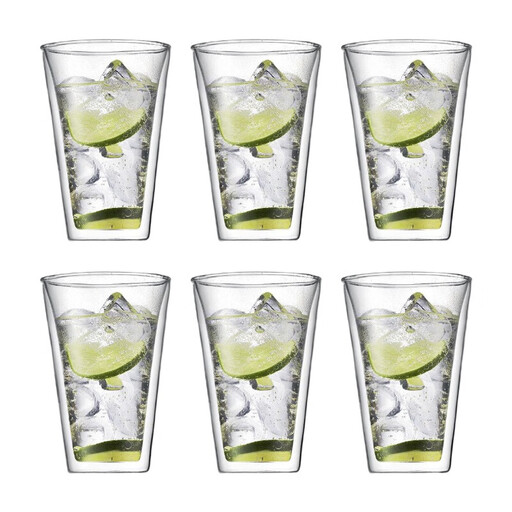
The Verdict: Perfect for those who refuse to choose between style and function. Its large 400 ml capacity is ideal for lattes, iced teas, or even soups and desserts. The double wall maintains the temperature without burning your fingers or creating condensation.
This model includes a silicone valve that equalises the air pressure between the walls. This eliminates the internal condensation and fogging that plagues lower-quality glasses.
Its thermal insulation is formidable, and it's completely versatile (drinks, desserts, soups). Made from mouth-blown borosilicate glass, it is as lightweight as it is durable.
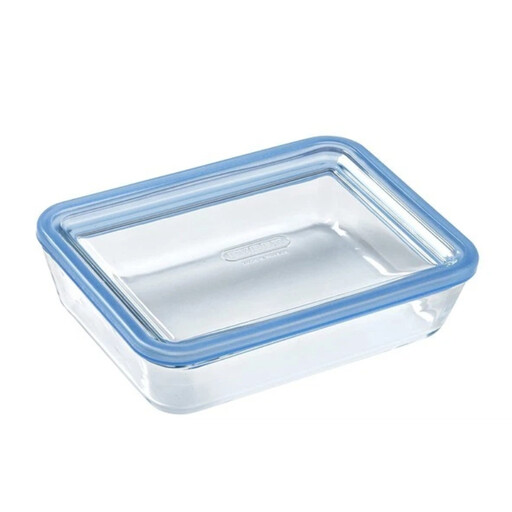
The Verdict: For meal prep enthusiasts, reliability isn't optional. This Pyrex container is a classic for a reason: it's designed to go from the freezer to the oven (with precautions) and then into the dishwasher, simplifying the entire homemade meal process.
Made from pure borosilicate glass, it is designed to withstand moderate thermal shock, eliminating the risk of cracking that is typical of low-end glass.
Absolute versatility (oven, microwave, freezer, dishwasher). Its non-porous glass doesn't retain stains or odours, ensuring the taste of your food remains pure.
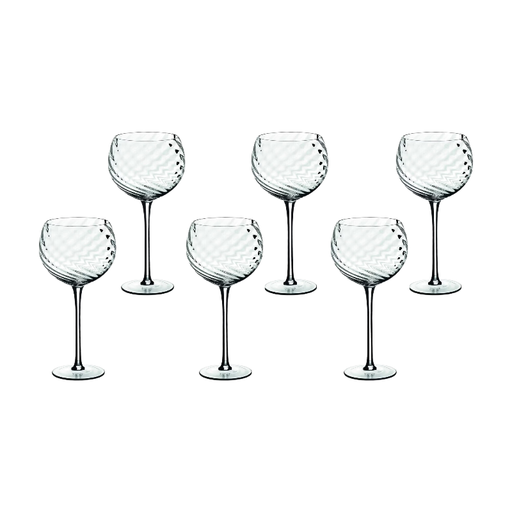
The Verdict: When entertaining, presentation is everything. This large-capacity (60 cl) wine glass is just as suitable for water as it is for generous cocktails. Its modern design and exceptional clarity elevate any table setting.
Made from lead-free crystalline, it has the brilliance of crystal without the fragility or health concerns. Robust enough for the dishwasher, it avoids the "too beautiful to use" trap.
A sophisticated design and great versatility. Being dishwasher-safe, it isn't just for special occasions and can be used daily without worry.
We have curated a complete selection of products that meet our strict selection criteria and current safety standards.
No, not directly. Even borosilicate glass has its limits. Extreme thermal shock (going from a sub-zero temperature to a 200°C / 400°F preheated oven) can cause it to shatter. The best practice? Let the dish thaw at room temperature for at least 30 minutes before putting it in the oven. And never place a hot glass dish on a cold or wet surface.
The weak point is often the small silicone plug on the bottom of the glass. Avoid piercing it or scrubbing it too hard during cleaning. While most are dishwasher-safe, gentle hand washing will extend their lifespan and the integrity of the seal. If water does get inside, it is unfortunately a permanent sealing failure.
Traditional crystal contains lead oxide, which gives it its characteristic weight, brilliance, and resonance. The catch? Concerns remain about the potential for lead to leach into beverages. Crystalline glass is the modern alternative: it replaces lead with other oxides (like barium or zinc) to achieve a result that is just as brilliant and clear, but lighter, more durable, and completely safe for your health. It is now the new standard for quality glass tableware.