
Livraison le jour même ou le lendemain

Qualité garantie

Débloquez vos offres de bienvenue: Livraison GRATUITE | Jusqu'à -80 % | 30 jours d'essai gratuits à JoyPlus
Téléchargez l'application
Stocking up on kitchen glassware? It seems simple enough. Yet, small details can turn a promising purchase into a real disappointment. Between marketing hype and the reality of daily use, it's easy to make a mistake. My mission as Head of Product Selection at Joybuy is to guide you toward the features that truly make a difference. The goal: a practical, healthy, and long-lasting investment.
Here are the three most common pitfalls to avoid before you buy.
To avoid these pitfalls, you just need to focus on a few technical points. These are the true guarantors of a product's quality and longevity.
The material dictates the use, durability, and safety of your glassware.
For an airtight food container, the lid is an absolutely critical component.
The secret to a functional kitchen? Flawless organisation.
Here are a few products that check all the boxes, designed for specific uses.
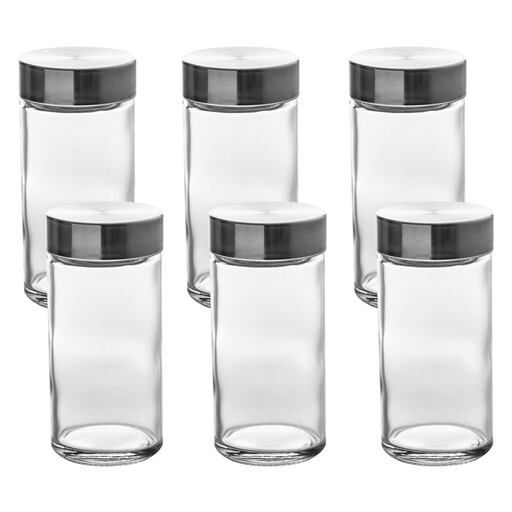
Why we love it: It's the perfect product for those who value uniformity and efficiency. This set is the ideal foundation for creating a cohesive spice rack where everything is visible and within reach.
It sidesteps the trap of design sacrificing function. Its clean cylindrical shape and compact size are designed to optimise space on a shelf or in a drawer, not to follow a fleeting trend.
Its transparency allows you to identify the contents in an instant. The six-piece set is an excellent starting point for creating (or redoing) your spice organisation.
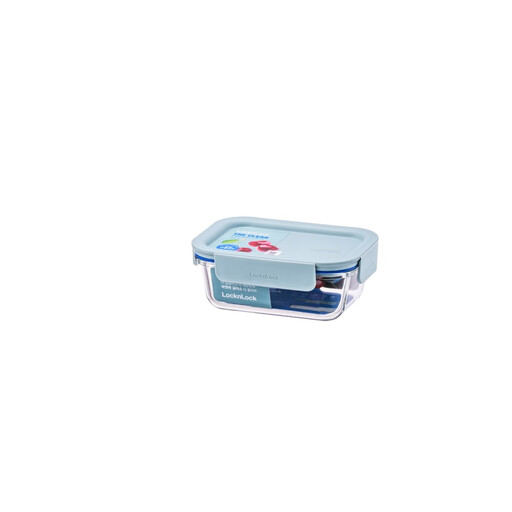
Why we love it: The essential partner for meal prep and storing leftovers. This container is made to go from the fridge to the microwave without a second thought, radically simplifying meal management.
It directly tackles the pitfall of confusing glass types. Made from borosilicate glass, it's built to withstand thermal shock. Its sturdy locking lid puts an end to the uncertainty of unreliable closures.
Its versatility (freezer, microwave, dishwasher) and foolproof seal make it a trusted ally for food storage. And it's all guaranteed BPA-free.
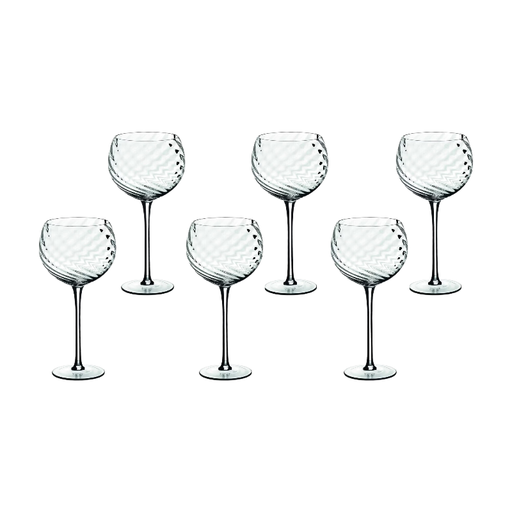
Why we love them: For those who love to host with style and care about presentation. With their large capacity, these glasses are perfect for showcasing a red wine, water, or cocktails.
It strikes the perfect balance between elegance and practicality. Made from lead-free crystal glass, it combines remarkable brilliance with dishwasher compatibility. No more falling into the trap of beautiful glasses left in the cupboard!
Their contemporary design and large capacity (60 cl) enhance any beverage. And being dishwasher-safe is a real relief after an evening of entertaining.
Discover our full selection of products that meet our quality criteria and the strictest safety standards.
The key is to look for the words "borosilicate glass" on the packaging or the dish itself. It's the only material truly designed to withstand high temperatures and thermal shock. Otherwise, trust the pictograms (the small oven icon). When in doubt, don't risk it: never use a standard or unknown-origin glass dish for cooking.
Start by giving the jar and lid a good wash with hot, soapy water. If the odour (garlic, curry, etc.) lingers, make a paste with baking soda and a little water, and let it sit in the jar for several hours before rinsing. Don't forget to remove the silicone seal from the lid to clean it separately—it's a magnet for odours and mould. Finally, dry each part completely before reassembling and storing.
Traditional crystal owes its unique density, brilliance, and resonance to its high lead oxide content (over 24%). The downside: it's heavier, more prone to scratching, and requires hand washing. Crystalline glass, on the other hand, is the modern lead-free alternative. It uses other metal oxides (barium, zinc, etc.) to achieve a nearly identical result in terms of clarity and fineness. Its advantages? It's lighter, more durable, and generally dishwasher-safe. It's the practical choice for everyday tabletop glassware.