
Livraison le jour même ou le lendemain

Qualité garantie

Débloquez vos offres de bienvenue: Livraison GRATUITE | Jusqu'à -80 % | 30 jours d'essai gratuits à JoyPlus
Téléchargez l'application
Glassware for the home is popular for its transparency, understated style and ability to blend easily into a kitchen or dining room. But a beautiful photo is not enough to make the right choice. A carafe may be too narrow to clean properly, a container may not be fully leakproof and a glass may not be suitable for hot drinks.
Before adding items to your basket, take the time to avoid three common pitfalls: vague promises, misunderstood dimensions and assumed features.
A transparent glass item naturally showcases its contents. However, its shape matters just as much as the material. A carafe with a very narrow neck can quickly become awkward to wash, while a tall vase may be unstable on a shallow shelf.
Always check:
Simply stating “glass” does not automatically mean that a product can go in the oven or microwave, or withstand sudden changes in temperature. Borosilicate glass is often preferred for its improved resistance to thermal changes, but every item has its own usage instructions.
A food container may be suitable for the fridge and freezer without being compatible with direct heat. Always consult the product details and remove the lid before placing the container in the microwave when this use is permitted.
For glass storage jars and airtight food containers, leak resistance depends mainly on the lid, seal and closure mechanism. A removable lid or detachable seal makes cleaning easier, but also requires regular inspection.
In particular, check:
For food containers, borosilicate glass can be a good choice when use involves changes in temperature, provided you follow the manufacturer’s instructions. However, avoid placing a very cold container directly into an appliance that is already hot unless this use is explicitly authorised.
With double-walled glass mugs, the two walls create a layer of air between the drink and the outer surface. This makes the cup more comfortable to hold, whether the drink is hot or cold. Nevertheless, it should still be handled with care.
The capacity should match how you actually intend to use the item:
A larger container is not necessarily more practical. In a standard French fridge, several stackable rectangular boxes may take up less space than a tall, rounded container.
A dishwasher is a real advantage for glass tableware, but check whether this applies only to the container or also to the lid and seal. Bamboo components, such as some bread bin lids, generally need to be washed by hand.
To extend the life of your glassware:
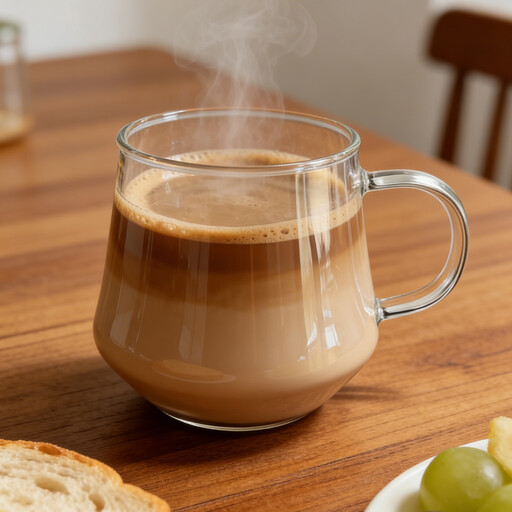
Why this choice suits this type of user : Sold individually, this glass is ideal for discovering glassware without immediately investing in a full set. Its stated capacity of 280 ml is suitable for tea, coffee or water.
The format and quantity are clearly stated, reducing the risk of receiving a glass that is smaller than expected or an unnecessarily large set.
Transparent glass and a 280 ml capacity, well suited to individual everyday use.
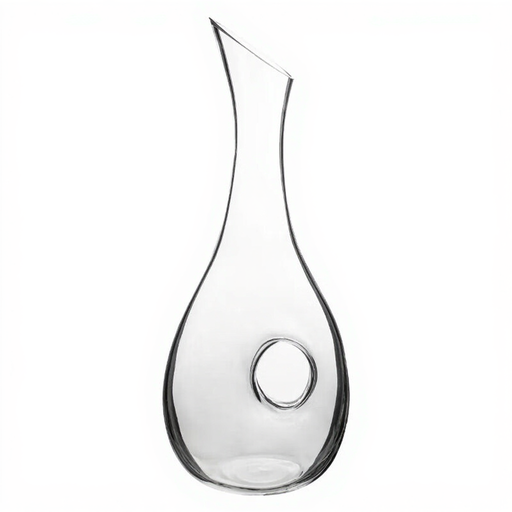
Why this choice suits this type of user : With its one-litre capacity and bottle-like appearance, this carafe is suitable for serving water, juice or wine, whether you are sharing a meal for two or hosting a gathering.
The dimensions, capacity and dishwasher compatibility are clearly specified, rather than being left to the viewer’s interpretation of the photo.
1-litre capacity, transparent glass and dishwasher-safe care.
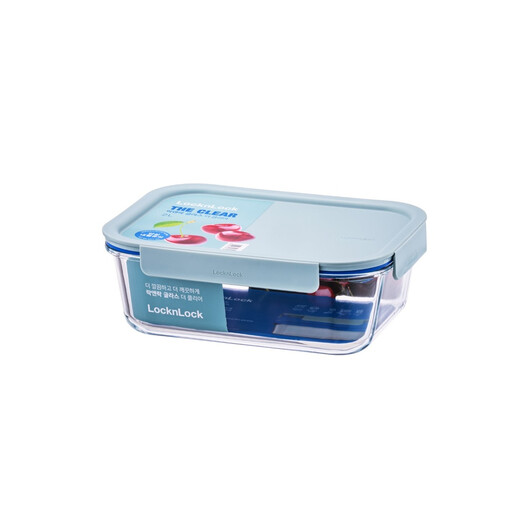
Why this choice suits this type of user : This large rectangular borosilicate glass container is suitable for meal preparation, storing family-sized leftovers and keeping food in the fridge or freezer.
Permitted uses are listed separately: fridge, freezer, microwave with the lid removed and dishwasher. The product details also specify that space must be left when freezing.
2-litre capacity, removable silicone seal, airtight lid and dimensions of 25,4 × 19,4 × 8,7 cm.
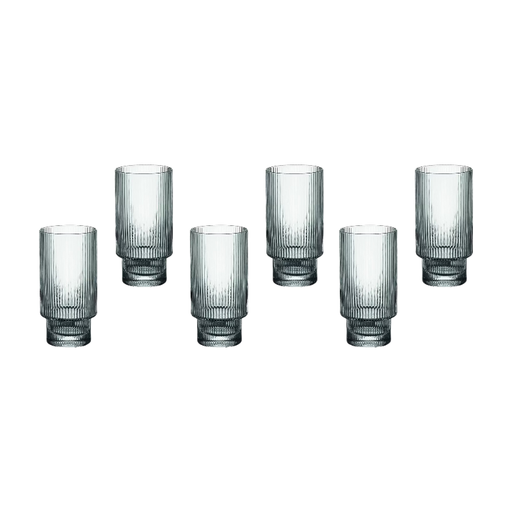
Why this choice suits this type of user : This set of six glasses lets you lay a matching table for family and guests. Their size is suitable for long drinks, juices and iced tea.
The number of pieces and the 38 cl capacity per glass are clearly stated. Dishwasher compatibility also makes cleaning easier after a large meal.
Set of six glasses, lead-free crystal glass stated, height of 14,5 cm and dishwasher-safe care.
We have put together a complete, real-time updated selection of products that meet these exacting criteria and European safety standards.
In the kitchen, choose stackable airtight food containers with a lid that is easy to clean. For serving, a one-litre glass carafe is perfect for an everyday table, while a set of drinking glasses is more practical when entertaining.
Double-walled glass mugs are particularly effective at showcasing hot and cold drinks. For decoration, choose a glass vase according to the length of the stems and the width of the opening. Finally, a glass verrine with a capacity of 15 cl is ideal for individual desserts, appetisers and carefully measured portions.
Glass generally retains fewer odours and food stains than some plastics. However, the shape of the container remains a key factor. A wide opening, removable seal and dishwasher compatibility make cleaning considerably easier.
Only if the product details permit it. Leave enough space for liquids to expand and avoid thermal shock. A container that is freezer-safe is not necessarily suitable for the oven or hob.
Its lifespan depends on how often it is used, exposure to knocks and how it is cared for. Regularly inspect the edges, lids and seals. Replace any container with a crack or chip, as well as any lid that no longer closes properly.