
Livraison le jour même ou le lendemain

Qualité garantie

Débloquez vos offres de bienvenue: Livraison GRATUITE | Jusqu'à -80 % | 30 jours d'essai gratuits à JoyPlus
Téléchargez l'application
Buying glassware for the home seems straightforward… until you end up with a glass that’s too fragile, a carafe that’s impossible to clean, or a vase that lacks stability. Online shop photos often highlight transparency and style, yet the most useful information is about capacity, care and usage precautions.
Before you place an order, three pitfalls deserve your attention:
Borosilicate glass is valued for its better resistance to temperature changes and its surface that resists staining. That doesn’t make it unbreakable, though. A sudden move from the freezer to a heat source can still cause it to crack or shatter.
For a reusable glass bottle, check in particular:
For storing food, a glass food container with a lid and removable seal makes it easy to keep leftovers. Unless the manufacturer states otherwise, remove the lid before placing the container in the microwave. Airtight preserving jars should also be inspected regularly: a deformed seal can compromise the seal.
The stated capacity isn’t everything. A 1-litre glass carafe with a slender shape can prove difficult to fit in the fridge door. Measure the available space and check the height, neck diameter and the weight of the carafe when full.
For drinking glasses, a capacity of 33 to 38 cl generally works well for water, fruit juices and cold drinks. Stemmed wine glasses need more attention: check their height and the stability of the stem, especially if you plan to wash them in the dishwasher or use them on a busy table.
For a buffet or professional service, glass verrines should be easy to grip, sufficiently stable and suited to the volume of each preparation. A 15 cl capacity works for individual portions, while a 27 cl size leaves more room for tapas, desserts and canapés.
The mention glass tableware that is dishwasher-safe is welcome, but always take the time to read the detailed instructions. Place fragile items in a suitable basket, avoid them knocking together, and let them cool down before handling.
For decorative items, the weight of the base is a good indicator. A 20 cm vase with a thick base will generally be more stable than a very lightweight model. Mini vases for centrepieces should stay low enough not to block conversation. In a home with children or pets, place vases out of walkways, on a perfectly flat surface.
Decorative glass vases can hold fresh, dried or artificial flowers. Some models also serve as small supports for hydroponic plants. A glass terrarium, on the other hand, needs a suitable opening, gentle cleaning and a spot away from knocks.
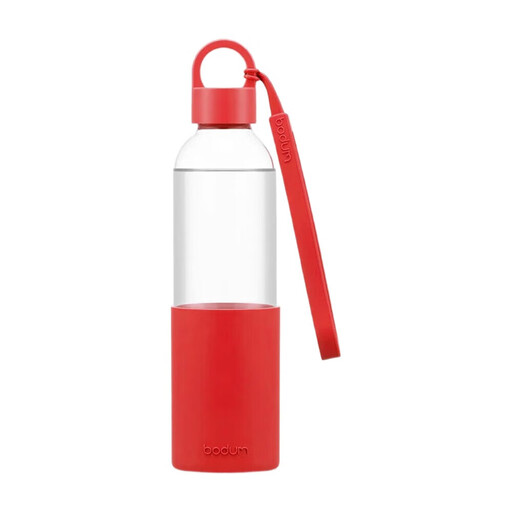
Why this choice suits this profile: Its 0.5-litre size slips easily into a bag and works well for the office or daily commutes. The removable silicone base offers welcome protection during transport.
The product page clearly states the usage limits: no sudden temperature changes, no fizzy drinks and no contact with flames.
Borosilicate glass, screw cap with silicone seal, and hand or dishwasher cleaning as per the manufacturer’s instructions.
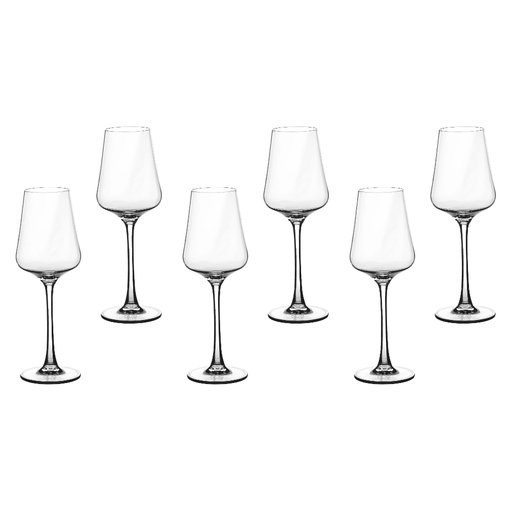
Why this choice suits this profile: This set of six 34 cl stemmed glasses is ideal for an elegant table, regular meals and entertaining at home.
The product page states it is made from clear, lead-free crystal and confirms dishwasher compatibility.
A matching set of six pieces, each 23 cm tall with an individual capacity of 34 cl.
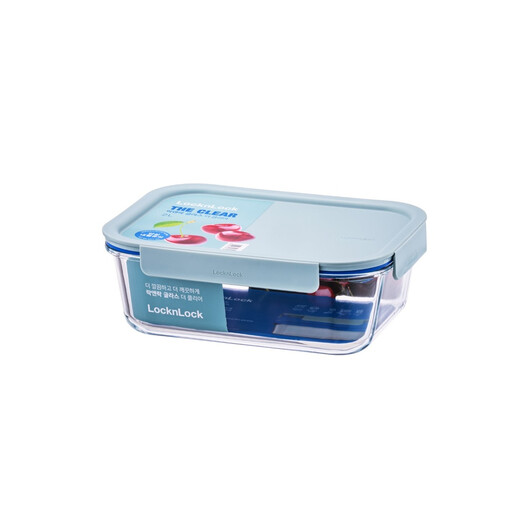
Why this choice suits this profile: Its 2-litre capacity is ideal for meal prep, storing family leftovers and regular use in the fridge and freezer.
The product page clearly distinguishes the uses: microwave without the lid, freezer with an expansion gap, and a ban on placing the container on a direct heat source.
Borosilicate glass, lid with removable seal, dishwasher, microwave and freezer compatible, provided the stated precautions are followed.
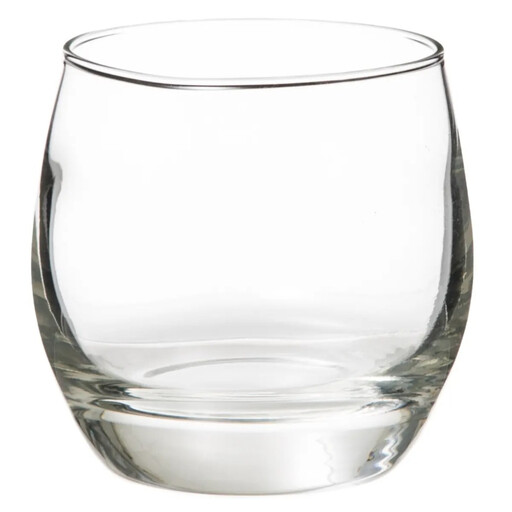
Why this choice suits this profile: Its 15 cl size is perfect for canapés, individual desserts and buffets, whether at home or in catering.
With its stated dimensions of 6.5 cm diameter and 7 cm height, you can plan the space needed for presentation and storage.
Clear glass, individual size and described as stackable to save space when storing.
We’ve put together a comprehensive, real-time updated selection of products that meet these exacting criteria as well as European safety standards.
A bottle of 450 to 500 ml is ideal for daily commutes, the office or short activities. To avoid constant refilling at home or in a restaurant, a 1-litre model will be more practical. Just remember to check its size and weight when full.
No, not always. Compatibility depends on the overall design, particularly the cap, seal and any decorative elements. Check the product page and separate the components when the manufacturer recommends it. Even with glass designed to handle it better, thermal shock should still be avoided.
Use a non-abrasive sponge, rinse away residue promptly and store the pieces so they don’t touch each other. For vases, don’t overload them with heavy branches. For verrines, check their stability before placing them on a tray and inspect each piece after an event. Any crack, chip or distortion means the item should be taken out of use.