
Livraison le jour même ou le lendemain

Qualité garantie

Débloquez vos offres de bienvenue: Livraison GRATUITE | Jusqu'à -80 % | 30 jours d'essai gratuits à JoyPlus
Téléchargez l'application
Glassware has a place at the table, in the kitchen, in the fridge and even in your cleaning cupboard. But a well-presented product listing doesn’t necessarily mean you’re making the right choice. The wrong capacity, an impractical lid or poor heat resistance are common pitfalls.
Here are the things to check before choosing a glass set, double-walled glasses, borosilicate glass mugs or a glass storage container.
Not all glass is designed for hot drinks, oven use or storage in the freezer. Borosilicate glass is valued for its greater resistance to temperature changes, but you’ll still need to take a few precautions.
Always check the manufacturer’s guidance on:
Even a container described as heat-resistant shouldn’t go straight from the freezer into a hot oven, unless the manufacturer explicitly says it can.
A 500 ml glass, a 0.5-litre tea press and a measuring glass with the same capacity won’t all meet the same needs. Shape, height, diameter and how easy the measurements are to read all make a difference in everyday use.
For a family, you should also consider how many pieces come in a glass set, how much room it takes up in the dishwasher and how easy it is to replace a broken glass.
With a glass storage container or airtight jars, the container is only part of the product. The silicone seal, closure mechanism and whether the lid is dishwasher-safe matter just as much.
A lid that isn’t oven-safe, a closure that’s difficult to clean or a seal that can’t be removed can quickly make an otherwise well-designed container less useful.
For hot drinks, borosilicate glass mugs and double-walled glasses let you see what’s inside while helping to reduce condensation on the outside, depending on the design. However, they can still be damaged by drops and knocks.
For tableware, lead-free crystal typically offers clarity and brilliance. Your choice of glass set will depend on how often you use it, how much storage space you have and the recommended cleaning method.
Compare the actual capacity with how you plan to use it:
Also check the diameter of the base. A tall, narrow container is often less stable than a wider one, while a large glass will take up more cupboard space.
If a glass container is designed for oven use, remove the lid unless it’s made to withstand heat. For example, the Euro Ovenglass 500 ml is listed as oven-safe up to 400 °C without its lid, microwave-safe and freezer-safe down to −20 °C. However, the manufacturer recommends washing the lid by hand and says the container must not be used over a naked flame or on a hob.
For cleaning products such as glass cleaner, check the precautions on the label. Some formulas are suitable for windows, mirrors or glass surfaces, but generally require good ventilation and must be kept out of children’s reach.
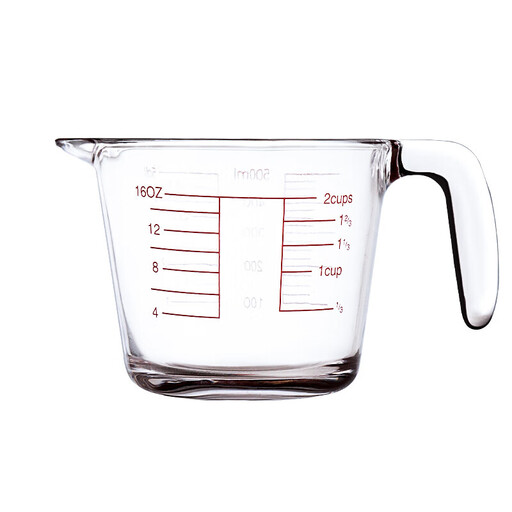
Why it’s a good fit for this type of user : Its 500 ml capacity is ideal for everyday preparation, while the markings make it easy to measure liquids in the kitchen.
The measuring scale helps you avoid the guesswork of using an ordinary glass to measure ingredients.
A 500 ml capacity and handy markings for recipes, sauces and drinks.
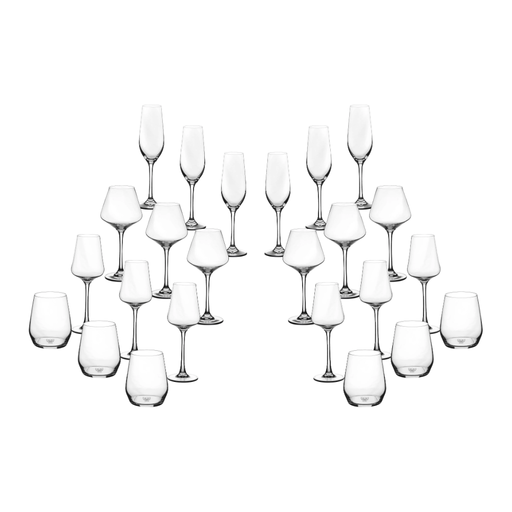
Why it’s a good fit for this type of user : This set is ideal for households looking to create a coordinated table setting, with different glass styles for water, wine and sparkling drinks.
Four different glass styles mean you won’t need to put together a set from mismatched pieces.
24 pieces in lead-free crystal, listed as dishwasher-safe, with four different capacities.
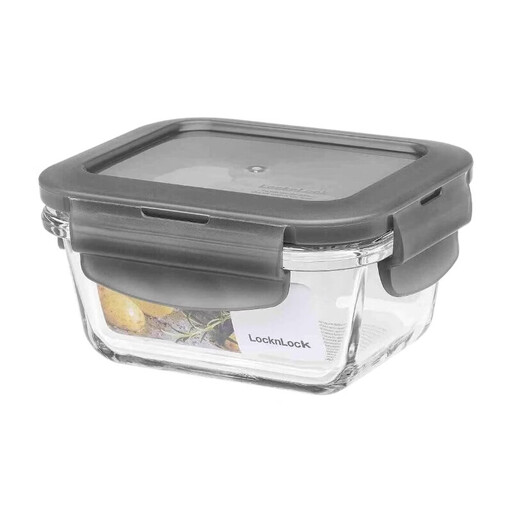
Why it’s a good fit for this type of user : Its square shape and 500 ml capacity make it suitable for preparing portions, storing food in the fridge and reheating, as long as you follow the instructions.
The lid’s limitations are clearly stated : it must be removed before using the container in the oven or microwave.
Heat-resistant glass, a silicone-seal closure and listed compatibility with the oven, freezer and fridge.
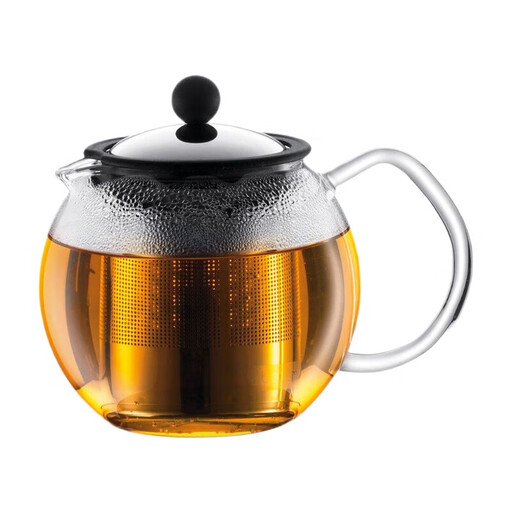
Why it’s a good fit for this type of user : This 0.5-litre tea press is designed for loose-leaf tea drinkers who want to control the brewing time.
The stainless steel filter, with its silicone rim, keeps the tea leaves contained while they brew, so there’s no need for a separate strainer.
A borosilicate glass body and a 0.5-litre capacity, making up to four small cups depending on how you serve it.
We’ve brought together a comprehensive selection, updated in real time, of products that meet these exacting criteria and European safety regulations.
Wash glasses with a non-abrasive sponge, then dry them thoroughly to help prevent marks. Even if a product is dishwasher-safe, hand-washing can help preserve its finish, seals and clarity for longer.
For glass surfaces, apply glass cleaner to a cool surface using a clean, dry cloth. Products such as MICHELIN glass cleaner and VINCKEL products list uses for windows, mirrors or stainless steel surfaces, depending on their formulation. Read the precautions, never mix cleaning products and test on a small area first if the surface is delicate.
Check your glasses, jars and containers regularly. If you find a crack, chip or misshapen seal, stop using the product.
Borosilicate glass is a popular choice for mugs, tea presses and double-walled glasses designed for hot drinks. However, you should always follow the manufacturer’s instructions and avoid sudden changes in temperature.
No. The container may be oven-safe even if its lid isn’t. Always remove the lid if the instructions require it, and check the maximum permitted temperature before use.
Use washing water with a low detergent concentration, rinse thoroughly and dry with a lint-free cloth. For stubborn marks on glass surfaces, a suitable cleaner and a clean microfibre cloth will help reduce residue.