
Livraison le jour même ou le lendemain

Qualité garantie

Débloquez vos offres de bienvenue: Livraison GRATUITE | Jusqu'à -80 % | 30 jours d'essai gratuits à JoyPlus
Téléchargez l'application
Timeless, hygienic, and elegant, glassware has it all. From a simple water glass to a family-sized gratin dish, it finds its place on every table and in every kitchen. The problem? Faced with an overwhelming selection, it's easy to be tempted by the wrong product and bitterly regret the purchase. Follow our guide to avoid the most common pitfalls and make a truly informed decision.
The first pitfall is placing blind faith in the "heat-resistant" label. While a glass oven dish can withstand high temperatures, thermal shock (a sudden shift from hot to cold) can cause it to shatter. Another classic disappointment: a set of glasses with a sublime design that is completely impractical for daily use. Non-stackable, too fragile, or not dishwasher-safe, they quickly end up relegated to the back of a cupboard. Finally, be wary of decorative pieces whose care requirements (hand-wash only, not suitable for certain foods, etc.) you only discover once you get them home.
To avoid falling into these traps, a few technical points are worth checking. They will determine not only the use but also the lifespan of your glassware.
The word "glass" actually covers several distinct materials. Knowing how to recognise them is the first step to choosing the right product.
Always check the pictograms or manufacturer's instructions. Modern tableware must adapt to your lifestyle. Dishwasher compatibility is almost essential for daily use. For bakeware, ensure that both the dish and its potential lid can go in the oven or microwave. A plastic lid, for example, should never end up in the oven.
A designer glass salad bowl or a decorative bowl can steal the show on your table, but its usefulness also depends on its ergonomics. Consider ease of handling, weight, and stability. For everyday glasses and bowls, stackability is a real space-saver in cupboards. Also, consider double-walled glass, an excellent option for maintaining the temperature of beverages, hot or cold, without burning your fingers or dealing with condensation.
To put theory into practice, here is our selection of products for every use.
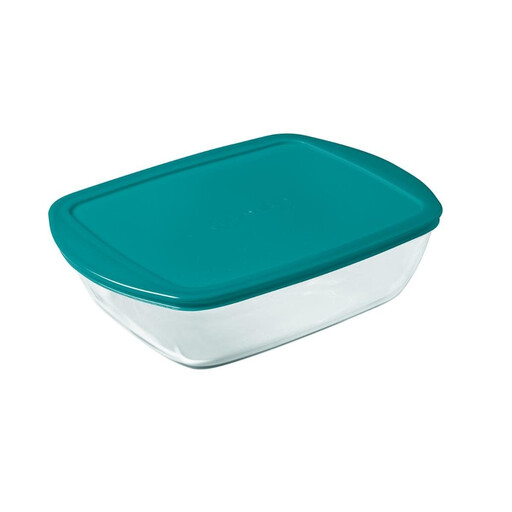
Why it's a great choice: The ultimate all-in-one solution for those who want to cook, store, and transport their meals. Its borosilicate glass body goes into the oven without worry, while its airtight lid ensures perfect preservation in the refrigerator.
This dish is made from borosilicate glass, the most suitable material for resisting moderate thermal shock, thus preventing accidental breakage. The distinct plastic lid is clearly intended for storage, not for cooking.
Cook-and-store versatility. Airtight lid for transport. Dishwasher-safe (dish and lid).
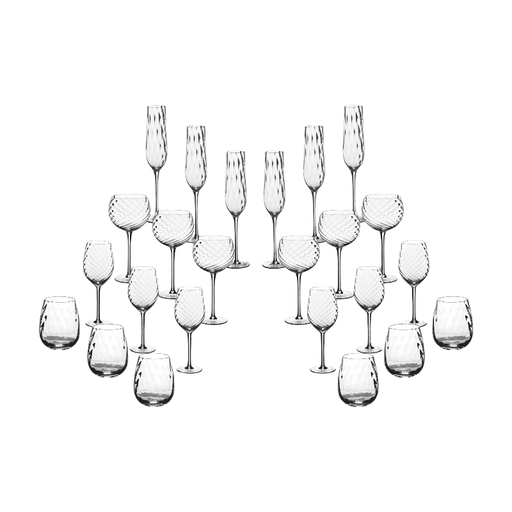
Why it's a great choice: Ideal for those who love to entertain and set a harmonious table. This complete glass set covers every need, from water to champagne, with a coherent and refined design.
Unlike stylish but impractical sets, this one is made from lead-free crystalline, a material that combines brilliance with durability. All pieces are dishwasher-safe, eliminating the chore of hand-washing after a party.
Complete 24-piece set for 6 people. Modern and unified design. Durable and dishwasher-safe material.
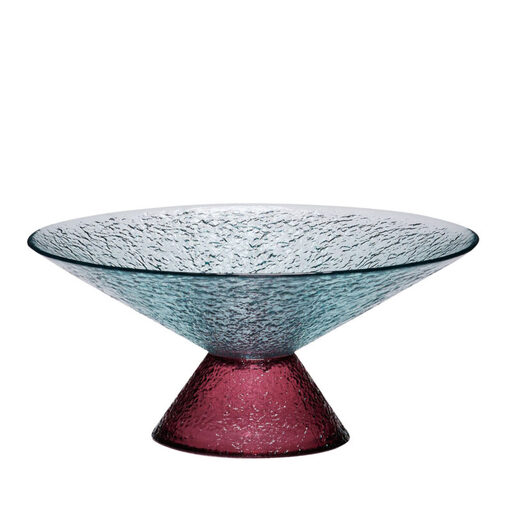
Why it's a great choice: For those seeking a unique object that serves as both a salad bowl and a centrepiece. Its artisanal character and colourful pattern make it a statement piece that catches the eye.
Transparency is key here. The product is clearly advertised as an artisanal piece with its limitations: hand-wash only, not compatible with the oven or microwave. The buyer knows they are getting a decorative bowl for a specific use (cold foods), which prevents any unpleasant surprises.
Unique artisanal design. Large size (25 cm) for serving salads or fruit. Certified for food contact (cold).
We have selected a complete range of products for you that meet our criteria for quality, practicality, and safety.
Borosilicate glass is the champion of oven cooking thanks to its very high resistance to thermal shock. Tempered glass, on the other hand, is primarily designed to resist mechanical shocks (drops, impacts). Although stronger than standard glass, it remains more sensitive to rapid temperature changes than borosilicate. For a dish intended to go from the refrigerator to the oven, borosilicate is therefore significantly safer.
Even though many modern crystalline glasses are dishwasher-safe, hand-washing is ideal for preserving their shine over the long term. Use lukewarm water and a mild detergent. To avoid water spots, dry them immediately with a soft microfibre cloth. Most importantly, avoid twisting the glass by holding the foot and the bowl (the upper part) at the same time, as this can weaken the stem.
No, this is strongly discouraged. Placing a very hot glass dish in a cold environment creates a violent thermal shock that can crack or shatter it. Always let the dish cool to room temperature for a few moments before placing it in the refrigerator or freezer.