
Livraison le jour même ou le lendemain

Qualité garantie

Débloquez vos offres de bienvenue: Livraison GRATUITE | Jusqu'à -80 % | 30 jours d'essai gratuits à JoyPlus
Téléchargez l'application
Elegant, hygienic, timeless… glassware has it all. However, choosing the right pieces can quickly become a headache. Caught between marketing promises and the reality of daily use, it's easy to make a purchase you'll regret. As product experts at Joybuy, our mission is to help you navigate the options to equip your kitchen with durable and truly functional items.
To ensure you make the right choice, let's review the most common pitfalls and the criteria that really matter.
A sleek design or a tempting price can sometimes hide flaws that only reveal themselves with use. Here are the red flags to keep in mind.
To make an informed choice, focus on these three fundamental parameters. They are what determine the quality and longevity of your glassware.
More than just a technical detail, this defines how you can use your product.
For airtight glass jars, the devil is in the details of the lid. Examine carefully:
A good product is, above all, a practical one for daily use. Think about:
To help you visualize how these criteria apply, here are a few products that meet different needs.
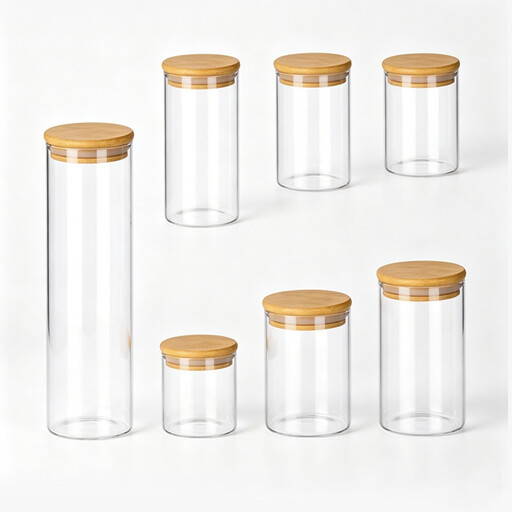
Why we chose it: The perfect solution for those who dream of an organized and harmonious pantry. This set provides visual and functional consistency for storing pasta, cereals, legumes, and other dry goods.
It sidesteps the "false seal" trap. These jars are designed from the ground up for optimal dry food storage, with properly fitted lids.
The set of 7 different sizes offers great versatility. The neat aesthetic with faux-wood lids integrates easily into any kitchen.
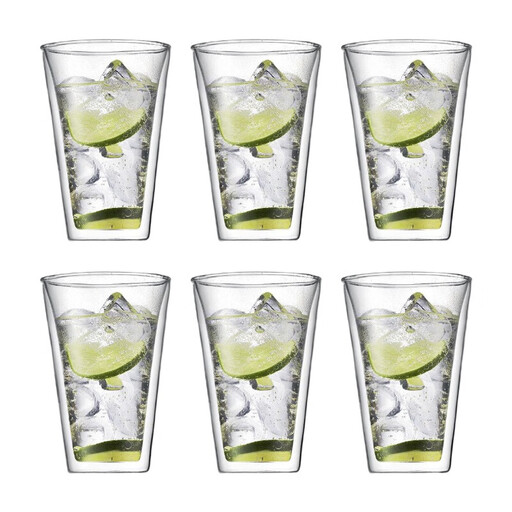
Why we chose it: The charming asset for fans of functional design. These glasses are equally at home serving a latte, iced tea, cold soup, or dessert, with a guaranteed visual wow-factor.
Here, the design isn't just about aesthetics, it serves practicality: the double wall insulates the drink, prevents condensation, and protects hands from heat.
Made from borosilicate glass, it withstands temperature changes well. The pressure-regulating silicone valve is a technical detail that proves its quality design.
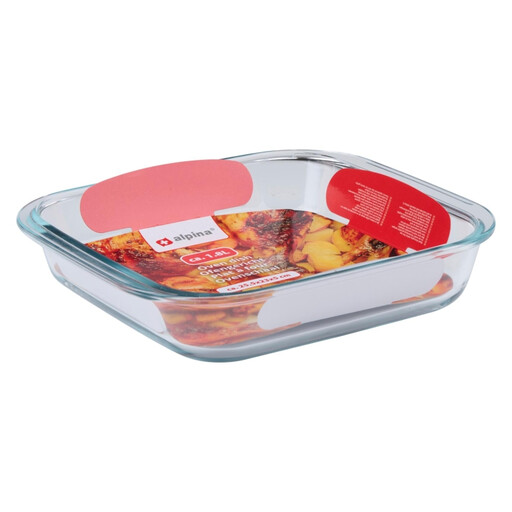
Why we chose it: The go-to for homemade gratins, roasts, and lasagnas. Its design is entirely focused on functionality and robustness for heavy use.
No ambiguity here: this is a dish made for the oven, from heat-resistant material that won't let you down (provided you avoid thermal shock).
Its generous 1.8 L capacity is perfect for family meals. The transparency of the glass allows you to monitor cooking at a glance, without opening the oven door.
Discover our full selection of products that meet our criteria for quality, durability, and safety.
The easiest way: look for the oven pictogram on the packaging or underneath the dish. The mention of "borosilicate glass" is also an excellent indicator. If there's no clear information, assume for safety's sake that the dish is not oven-safe. In any case, never place a dish from the fridge or freezer directly into a hot oven.
Not necessarily. Its impact resistance is comparable to that of a standard glass of similar thickness. Its real superpower is its thermal resistance (thanks to borosilicate glass) and especially its insulation. It keeps drinks at temperature for longer and prevents condensation from forming on the outside. Therefore, it should be handled with the same care as any other piece of glassware.
The glass jar is usually dishwasher-safe. However, the wood or bamboo lid must be washed by hand with a soft sponge and dried immediately. Never let it soak in water, as it could swell, crack, or grow mould. Don't forget to clean the silicone gasket from time to time as well.