For people who use salt every day
If you keep the jar near your cooking area, consider how easy it is to open and refill. A smaller size means you won’t have to handle a large reserve, but you’ll need to top it up more often.


For salt you use every day, choose a container intended for food contact with clearly described closure details. Then pick a capacity that suits the space you have and how often you want to refill it. A smaller jar is easier to keep within reach, while a 1.8 to 2 L container will take up more room. If you open the jar frequently, bear in mind that Le Parfait advises against using its Super range for bulk storage involving repeated opening.
If you keep the jar near your cooking area, consider how easy it is to open and refill. A smaller size means you won’t have to handle a large reserve, but you’ll need to top it up more often.
Capacity isn’t the only thing to consider: check the jar’s height, how it will fit on your shelf and how much room you’ll need to open the lid.
Check that the container is intended for food contact, then read the cleaning instructions for the glass, lid and any seal separately.
For storing dry salt, first check that the container is suitable for food and look at how it closes. Then make sure its capacity and dimensions work for your cupboard. A capacity in millilitres or litres doesn’t, by itself, tell you how many grams of salt it will hold.
| What to consider | What to check | Who it matters to |
|---|---|---|
| Closure | Suitable for food use; lid described as airtight, with a seal or clip fastening. | If I leave salt in a jar between uses, I want to know exactly how it closes rather than judge by its appearance. Around 40% of consumers would make this their top priority. |
| Size and space | Capacity in ml or L; container dimensions and the space needed to open the lid. | When organising my shelf, I prefer a container that fits and is easy to take out, even if that means refilling it more often. Size would be the main consideration for around 30% of consumers. |
| Handling and care | Washing instructions for the container and lid; condition of the glass and closure parts. | If I open a jar regularly, I want to be able to clean its different parts and check their condition. Around 30% of consumers would put ease of handling and care first. |
Being able to see the salt through the glass tells you nothing about whether the container is suitable for food or how its lid closes.
Before transferring salt into it, check the container’s stated use and the details of its closure.
The 2 L glass jar shown by Carrefour measures 14 × 11 × 26 cm, so its height may matter just as much as its capacity in a cupboard.
Measure the available space and allow room to open the lid before choosing a 1.8 or 2 L size.
Le Parfait advises against using its Super jars for bulk foods that are opened and closed repeatedly, as this can damage the mechanism.
If you reach for salt several times a day, choose a closure designed for frequent use and follow the care instructions for its components.
Lidl’s warnings for its Silvercrest jar highlight an increased risk of cracking or breakage when exposed to significant temperature changes.
Follow the washing instructions for the model you choose and stop using any container that is chipped or cracked.
The Super range includes jars with mechanical fastenings and seals, in a choice of capacities.
Lidl’s range includes glass jars and containers for dry foods, with closures that vary by model.
Monoprix offers, among other items, a 500 ml glass jar with a lid and a 1 L airtight glass container with four clips.
This Joybuy selection includes 600 and 750 ml jars, 500 ml food containers and a multi-size set. For each model, compare the opening, closure and care instructions with how you plan to access the salt.
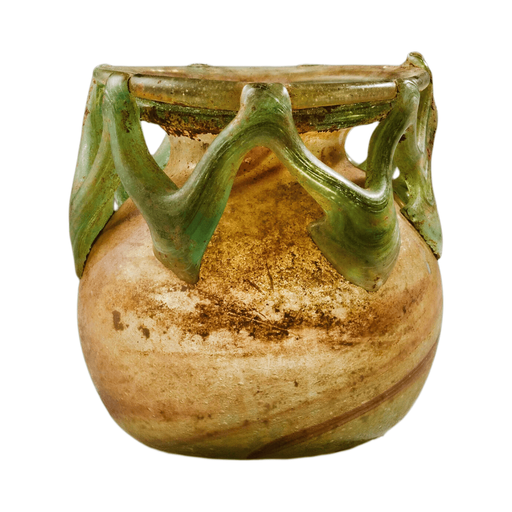 Image unavailable
For keeping a supply of dry salt in a jar that you can refill as you use it.
750 ml glass jar described as suitable for dry foods, with an acacia lid and silicone seal. Check the lid’s care instructions before washing it.
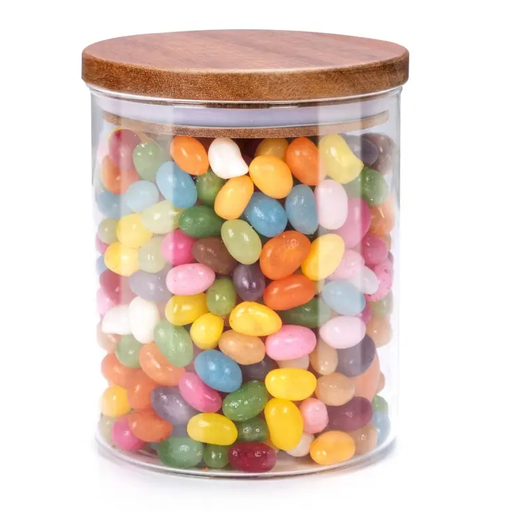 Image unavailable
For a small supply that’s easy to reach and refill when needed.
600 ml capacity. Joybuy describes it as suitable for dry goods, with a lid said to be airtight. Check the care instructions before cleaning the lid.
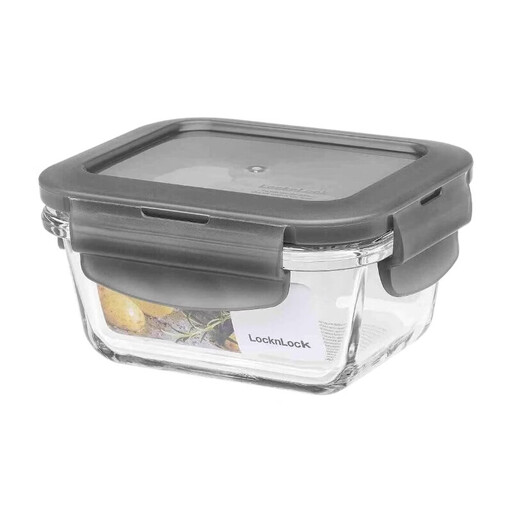 Image unavailable
For storing a small amount of salt in a square container rather than a traditional jar.
500 ml capacity with a grey lid. Consider whether the opening and the way you remove the lid will suit your everyday use.
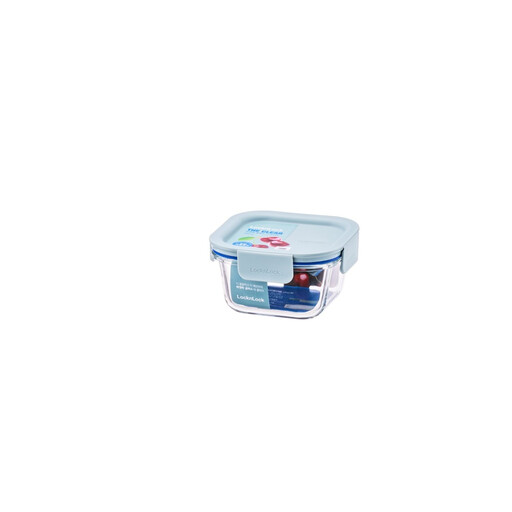 Image unavailable
For a small supply if you prefer a square container to a tall jar.
500 ml capacity, with a Mint Lid variant. Check that its opening and the space it takes up on your shelf suit the way you store salt.
 Image unavailable
For storing different foods in containers of various sizes instead of choosing just one salt jar.
The set includes five 1040 ml containers and five 370 ml containers, made from borosilicate glass, with lids described as watertight. Before making room for them in your cupboard, consider the space all ten pieces will take up.
Choose a capacity that suits the space you have and how often you want to refill the jar. A 500 ml to 1 L size works well for a small supply that you use regularly. For 1.8 to 2 L, check the dimensions and the space needed to open the lid too.
Yes. Clean and dry the jar before filling it, following the manufacturer’s cleaning instructions. Check the lid, any seal and the condition of the glass as well.
Le Parfait advises against using its Super range for bulk foods that are opened and closed repeatedly, as this can damage the jars. If you reach for salt several times a day, compare closures designed for frequent use instead.
Don’t judge by appearance alone: check that the container is intended for food contact and look at how its lid closes. The DGCCRF advises that materials in contact with food must not pose a risk or alter the food.