
Livraison le jour même ou le lendemain

Qualité garantie

Débloquez vos offres de bienvenue: Livraison GRATUITE | Jusqu'à -80 % | 30 jours d'essai gratuits à JoyPlus
Téléchargez l'application
Choosing glasses and mugs isn’t just about comparing a colour or a price. Between containers marketed as “unbreakable”, mugs advertised as leakproof, and glasses whose capacity doesn’t quite match the intended use, certain details can quickly turn an appealing purchase into a waste of money.
At home, in the office, on the go, or in a professional setting, three pitfalls crop up time and again:
For everyday use, a capacity of 25 to 35cl is generally right for coffee, tea, or a cold drink for one person. Fans of larger cups can opt for a 35cl mug, while a smaller 12 to 15cl size is better suited to espresso, desserts, or tasting portions.
Also check the height and diameter. A mug might fit perfectly in a bag, yet be too wide for a car’s cup holder. Conversely, a very tall wine glass needs enough space in the cupboard or dishwasher.
Clear glass lets you see the colour and level of your drink, but it needs careful handling and protection from thermal shock. Lead-free crystal can offer particularly elegant clarity, as seen on some table glasses, though it still requires gentle washing.
Ceramic works well for coffee cups and mugs intended for home or professional use. It generally retains heat well, but can crack after a knock. For drinks on the go, double-walled stainless steel is a practical solution when insulation and durability come first.
Before ordering, check the precise instructions regarding the dishwasher, microwave, fizzy drinks, hand washing, and temperature range. These details can vary from one model to another.
For a travel mug or a child’s bottle, the lid should be easy to close and clean. A silicone seal can help limit leaks, but it must stay clean, be correctly positioned, and be replaced as soon as it shows signs of wear.
Hot drinks can stay scalding for longer in an insulated cup. So it’s best to check the temperature before drinking, especially when a child is involved. Containers intended for younger users should be used under adult supervision and replaced as soon as a crack or any sign of weakness appears.
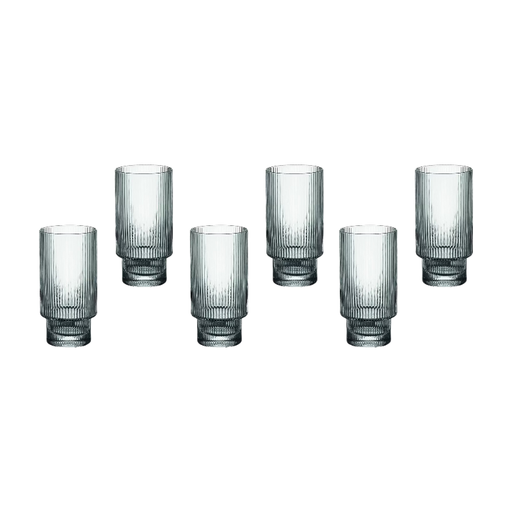
Why this choice suits this profile: This set of six 38cl water glasses works well for a family or an informal gathering. Their size is ideal for juices, soft drinks, and iced teas, while offering a consistent capacity for setting the table.
The capacity and number of pieces are clearly stated, reducing unpleasant surprises when buying for several people.
Lead-free crystal glass, six 38cl pieces, and dishwasher-safe care according to the product sheet.
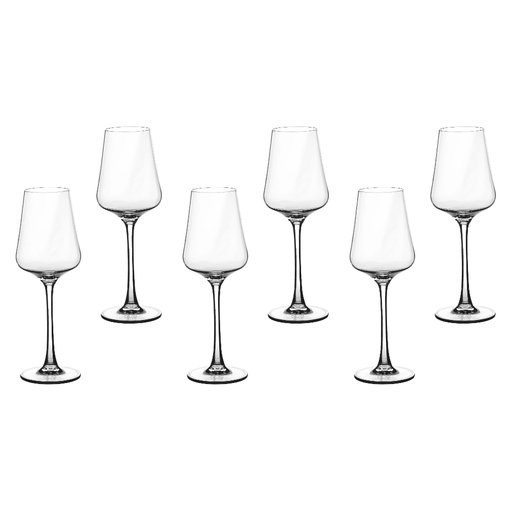
Why this choice suits this profile: This set of six 34cl wine glasses is aimed at those looking for a consistent presentation for meals, parties, or a restaurant table.
The product sheet specifies the capacity, 23cm height, and base dimensions, so you can check the available space before buying.
Lead-free crystal, stemmed design, and dishwasher-safe according to the information provided.
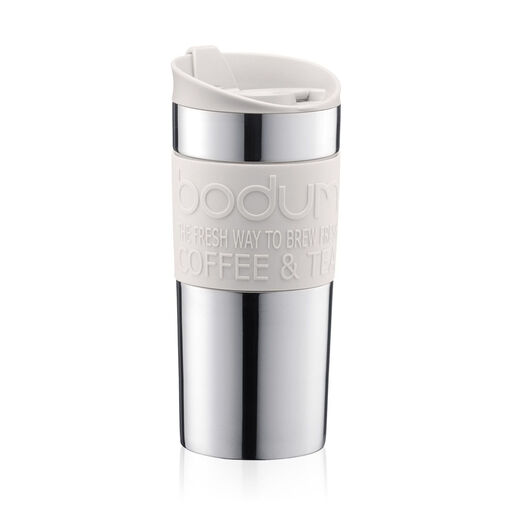
Why this choice suits this profile: Its double-walled stainless steel construction and 35cl size are ideal for commutes, car journeys, and office breaks.
The flip lid and silicone seal are described separately: it is still essential to close the lid fully and check the seal regularly.
Double-walled stainless steel, base compatible with standard cup holders, and vacuum insulation as stated by the manufacturer.
For a classic coffee cup, porcelain and ceramic offer a familiar feel. The Secret de Gourmet Belle Journée 32cl mug is made from porcelain and comes with matching patterns. It works equally well for a breakfast service at home or in a café or hotel.
The needs of restaurant tableware demand close attention to packaging, storage, and repeated washing cycles. A 15cl glass verrine, such as the Amira model, is suitable for canapés, desserts, and tapas. For larger portions, the New York 27cl verrine offers a straight-sided format designed for culinary presentations.
For wine, compare the volume, height, and shape of the bowl. A 448ml wine glass sold as a pair can also work for certain cocktails or soft drinks, but it isn’t designed for hot liquids.
We’ve put together a comprehensive, real-time updated list of products that meet these strict selection criteria as well as European safety regulations.
Glass is suitable for water, juices, and cold drinks, while ceramic is often preferred for coffee and tea. On the go, double-walled stainless steel offers a reusable, insulating solution. The choice mainly depends on the level of durability you need, the weight, and the care instructions.
No system should be considered infallible. Check for a seal, ensure the lid locks properly, and follow the manufacturer’s recommendations. Carry the mug upright, don’t fill it to the brim, and inspect the silicone parts regularly.
Avoid thermal shock, abrasive sponges, and forced stacking. Dry lids, straws, and seals thoroughly after washing. Any container that is cracked, chipped, or warped should be taken out of use, especially if it’s used for hot drinks.