
Livraison le jour même ou le lendemain

Qualité garantie

Débloquez vos offres de bienvenue: Livraison GRATUITE | Jusqu'à -80 % | 30 jours d'essai gratuits à JoyPlus
Téléchargez l'application
A well-chosen glass vase can turn a simple bouquet into a centerpiece for your decor. However, the shopping experience often ends in disappointment. Between flattering photos and vague descriptions, you can easily end up with a fragile, unstable, or simply unsuitable item. To avoid any unpleasant surprises, let's review the common pitfalls that can ruin your purchase.
I'm a Product Recommendation Manager at Joybuy, and my role is to guide you. Together, let's break down the key factors for finding a glass vase that combines both style and durability.
The market is flooded with attractive designs, but not all are created equal in terms of quality and practicality. Here are the three most common flaws to watch out for.
To avoid these pitfalls, simply focus on a few simple yet decisive technical criteria.
The type of glass directly impacts your vase's durability and appearance.
A vase's silhouette isn't just about style; it determines its practical use.
To illustrate how these criteria apply in practice, here is our selection of models suited for different needs.
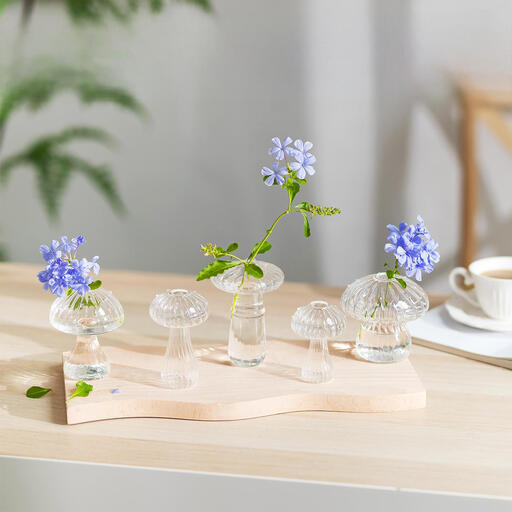
Why we chose it : This set is perfect for creating a propagation station that is both unique and decorative. The different shapes allow you to propagate several plants at once, while adding a natural and playful touch to a windowsill or shelf.
The product details mention a thicker borosilicate glass, which directly addresses the issue of fragility. The widened base of each small vase ensures better stability and prevents any risk of tipping.
Its versatility (bud vase, propagation, diffuser) and its unique aesthetic, thanks to this assorted set format.
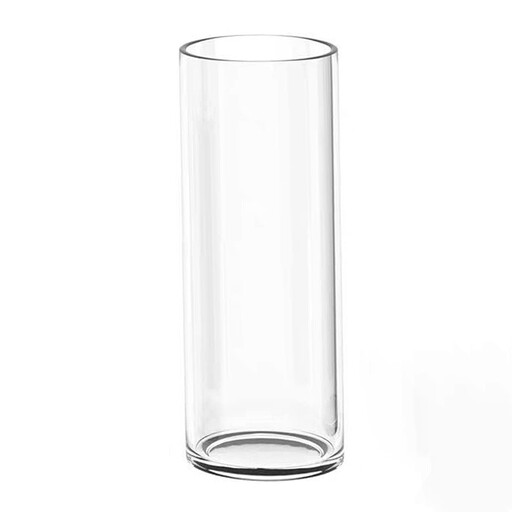
Why we chose it : This profile needs a large clear vase capable of holding voluminous bouquets or long-stemmed flowers. At 30 cm tall, this cylindrical vase is perfect for pampas grass, eucalyptus branches, or large lilies, becoming a true focal point in a living room.
The number one risk for a large vase is a lack of stability. This model addresses that with a "thickened and solid" construction that ensures excellent balance and prevents tipping, even with impressive floral arrangements.
Its tall height (30 cm) and 10 cm diameter provide the ideal support for ambitious floral arrangements, something smaller vases cannot offer.
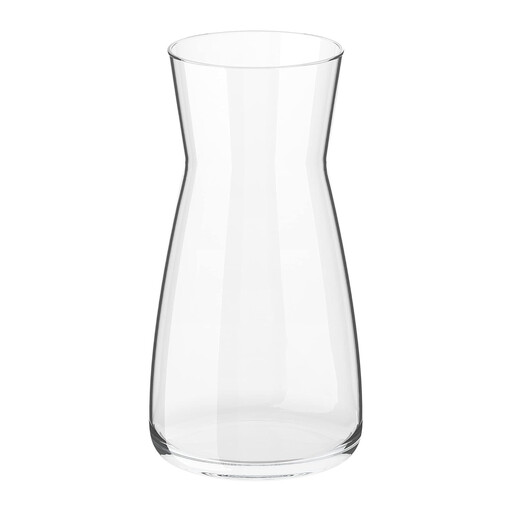
Why we chose it : This profile needs an all-rounder vase, just as effective for a market bouquet as for a few gifted stems. With its 20 cm height and slightly tapered shape, this simple yet stylish vase adapts to most situations without being bulky.
It avoids the instability trap thanks to its thickened base, which gives it a solid footing. Its "polished and smooth mouth" is also a sign of a quality finish, a far cry from the sharp edges of low-end products.
The excellent compromise between size, stability, and style. Its tapered shape helps to hold medium-sized bouquets perfectly in place.
If durability is your number one criterion, especially for a large model or a vase placed in a high-traffic area, acrylic alternatives are an interesting option to explore.
Discover our selection of containers and display stands that meet the same standards of quality and design.
For hard-to-reach necks, the best trick is to use a mixture of warm water, white vinegar, and a spoonful of uncooked rice. Shake vigorously: the rice grains will act as a natural abrasive brush to remove residue without scratching the glass. Then, rinse thoroughly with clean water.
A borosilicate glass vase is generally a bit more expensive due to its more complex manufacturing process and increased resistance. However, this investment quickly pays for itself through better durability, especially if you plan to use it often.
First, check that the vase has a wide base and a thick bottom. For even more security, add a layer of glass marbles, pebbles, or decorative sand to the bottom. This adds weight to the base, lowers the center of gravity, and dramatically increases the overall stability.