
Livraison le jour même ou le lendemain

Qualité garantie

Débloquez vos offres de bienvenue: Livraison GRATUITE | Jusqu'à -80 % | 30 jours d'essai gratuits à JoyPlus
Téléchargez l'application
Glass tableware is a staple for everyday use and special occasions alike. But a pretty picture or a generous capacity isn't enough to make the right choice. A glass that's too thin is likely to crack quickly, a poorly sized model can hog space in the dishwasher, and an unsuitable shape can spoil the presentation of your drink.
Before you place an order, it's worth spotting the most common pitfalls and comparing a few essential criteria: capacity, material, durability, care and number of pieces in the set.
Transparency and decorative finishes don't tell you much about a glass's real strength. Traditional glass, lead-free crystal glass and borosilicate glass aren't suited to the same uses. A model can be particularly elegant while still requiring careful handling.
For regular use, check the information on the material, the thickness – where stated – and any precautions against impact. Double-walled glasses, for example, don't cope well with sudden temperature changes, despite the properties of the material used.
A glass of 20, 26 or 28 cl doesn't suit the same type of serving. Small sizes are ideal for tastings, espresso or measured portions. Capacities of around 270 to 300 ml are more versatile for water, cold drinks and certain cocktails.
For wine, the shape of the bowl matters just as much. Glasses of 175 to 250 ml are easy to store and well suited to everyday meals. Champagne coupes and flutes of 20 to 26 cl are better for toasts and sparkling wines.
A set of six glasses is practical for entertaining, but remember to check the dimensions, storage options and dishwasher compatibility. The mention dishwasher-safe glasses doesn't mean you can skip the manufacturer's recommendations: some models can handle machine washing, but will keep their sparkle longer with a gentle cycle.
For professionals, the packaging matters almost as much as the design. Restaurants, cafés and caterers need to plan for replacing broken pieces, storage space and buying by the carton.
Lead-free crystal glass is prized for its high transparency and luminous appearance. The BJÖRN flutes, for example, are described as being made from transparent, lead-free crystal glass. This tells you the product's stated composition, but it's not a general guarantee against impact.
Borosilicate glass is used in the manufacture of certain double-walled glasses, thanks to its heat resistance as stated by the manufacturer. However, it's still best to avoid sudden temperature changes, direct heat sources and any cracked or chipped containers.
The shape affects the grip, stability and overall look of the set. A flute of 24 to 29 cm gives a sleek presentation, but it needs more care when storing. A straight or lowball glass is generally easier to line up on a family table or a countertop.
Glass verrines serve a different purpose: presenting canapés, desserts, tapas or aperitif portions. Their diameter and height need to suit the planned recipe, but also the serving trays you use.
A matching set of glasses makes table setting easier. For a household, two or six pieces may be enough depending on the number of guests. For a wedding, reception or professional event, compare the number of units per carton and check whether you can add to the collection later.
A glass carafe can complete the set for serving water, juice or wine. Also remember to measure the available height in your cupboards and dishwasher.
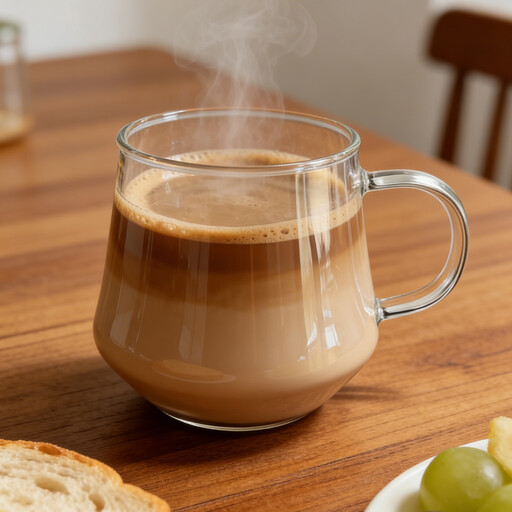
Why this choice suits this profile: With its 280 ml capacity, this glass works for water, tea, coffee and cold drinks. Sold individually, it lets you build up your collection gradually or replace a single piece without buying a whole set.
The listing clearly states a 280 ml capacity and individual sale. That helps you avoid ordering too large a set for a first purchase.
A versatile 280 ml size and a clear design that easily matches any style of tableware.
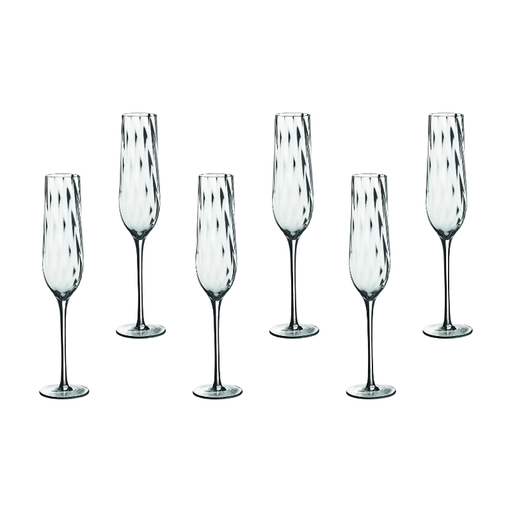
Why this choice suits this profile: This matching set is for those who want to elevate toasts, formal dinners or celebrations at home with six identically sized flutes.
The 26 cl capacity, stated dimensions and protective packaging give you concrete details before you order.
Stated transparent, lead-free crystal glass, six pieces and dishwasher compatibility as indicated by the manufacturer.
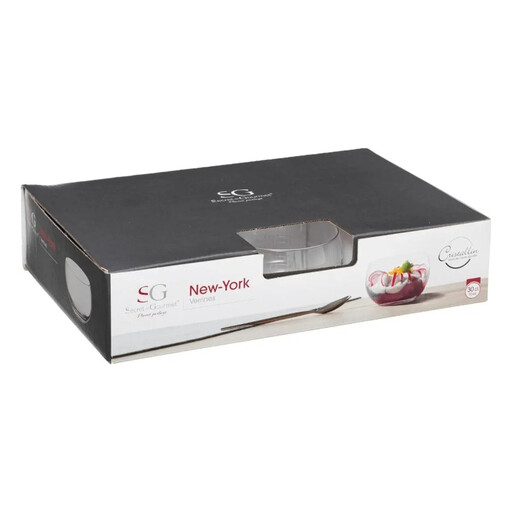
Why this choice suits this profile: Restaurants, caterers and hosts who love presenting tapas, desserts or canapés will find a straight-sided 27 cl format sold by the carton of eight units.
The diameter, height, weight and number of pieces per carton are all listed. That makes planning storage and organising service much simpler.
A 27 cl capacity, straight-sided shape and a pack of eight verrines suited to repeated presentations.
We've put together a comprehensive, real-time selection of products that meet these exacting criteria, while complying with European safety regulations.
Between 250 and 300 ml, the size generally works for water, juices, soft drinks and most cold beverages. For wine, a capacity of 175 to 250 ml is often easier to handle and store. Smaller sizes, such as 80 ml, are better suited to espresso, tastings and small portions.
No, not necessarily. Compatibility depends on the information on the product listing. Several BODUM models shown here are stated as dishwasher safe, but their instructions advise against thermal shock, the oven and direct heat sources. So you need to distinguish between the material's resistance and the uses that are actually permitted.
For a household, start with your usual number of guests and add a few spare glasses. For a reception, adjust the quantities to the type of service: wine glasses, champagne flutes, cocktail glasses and glass verrines aren't necessarily counted the same way. Depending on the occasion, a set of six or a carton of eight makes a practical starting point.