
Livraison le jour même ou le lendemain

Qualité garantie

Débloquez vos offres de bienvenue: Livraison GRATUITE | Jusqu'à -80 % | 30 jours d'essai gratuits à JoyPlus
Téléchargez l'application
Glass storage jars have plenty going for them: they’re transparent, durable and perfect for bringing order to your cupboards. But not all models are created equal, depending on how you plan to use them. A lid that doesn’t seal properly, the wrong capacity or a fiddly cleaning routine can quickly relegate a promising purchase to the back of a cupboard.
Before choosing an airtight storage jar, check three essential features: the closure system, the usable volume and how easy it is to maintain. These criteria will help you tell the difference between a jar that’s genuinely suited to dry foods and one that’s merely decorative or intended for occasional use.
A glass jar with a lid isn’t necessarily airtight. A wooden or cork lid can work perfectly well for spices and foods that aren’t particularly sensitive to moisture. However, you should check for a seal – usually made of silicone – as well as the mechanism that holds the lid in place.
For cereals, biscuits, dried fruit or coffee, go for a closure that’s explicitly described as airtight. Side-mounted metal clips apply even pressure to the lid. Push-on models rely more heavily on the precision and condition of the seal.
A 600 ml glass jar is ideal for spices, small quantities of rice, seeds and ingredients you use frequently. At 750 ml, a larger model gives you more room for short pasta, dried fruit or homemade preparations.
A container that’s too large leaves a lot of air above the food and takes up space without real benefit. On the other hand, a small jar filled to the brim quickly becomes awkward to use with a spoon. So don’t just look at the volume – also consider the diameter of the opening and the height available in your cupboard.
Borosilicate glass is often marketed as heat-resistant. That doesn’t mean it can handle every thermal shock, though. Avoid pouring boiling liquid into a cold jar, and always check the manufacturer’s recommendations before using it in the oven, microwave or freezer.
Heat resistance never exempts you from following the usage instructions. Glass remains fragile: a drop or a sudden change in temperature can be enough to crack it.
For food storage jars, examine the lid material and the seal design carefully. A jar with a silicone seal should ideally allow you to remove the seal to make cleaning easier and prevent residue building up in the groove. The clips should stay easy to operate, without needing excessive force.
For dry foods, an airtight seal limits moisture ingress and the spread of odours. That said, it doesn’t replace good storage practices: clean, dry food, a properly closed lid and storage away from heat and light when necessary.
Round jars are nice to handle, but they can leave wasted space between containers. Squarer formats generally make better use of shelf space. Also think about the width of your hand: an opening that’s wide enough makes both filling and cleaning easier.
The transparency of glass lets you quickly check what’s left inside. It saves you from opening several containers to find the rice, lentils, spices or biscuits.
Glass is generally easy to clean and retains fewer odours than some plastics. Wooden lids, however, need a bit more care: they often have to be washed by hand, dried promptly and not left to soak.
Before first use, wash the jar and dry each piece thoroughly. A seal that’s poorly positioned or still damp can compromise the airtightness. On models with clips, check the condition of the silicone and metal parts regularly.
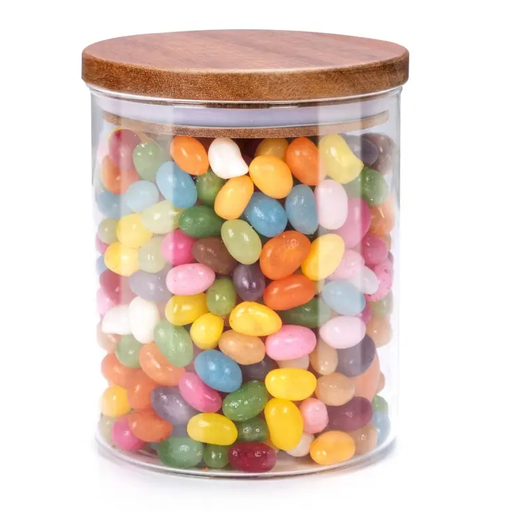
Why this choice suits this profile: At 600 ml, this jar is ideal for small quantities of spices, seeds or dry foods. Its dimensions of 9.5 × 9.5 × 11 cm make it easy to place on a worktop or in a cupboard.
Its limited volume reduces the risk of choosing an oversized container for a small store. The manufacturer states an airtight closure, but the acacia lid needs to be hand-washed.
Clear glass, an acacia wood lid and a compact format. The glass and lid must be cleaned separately, as per the instructions provided.
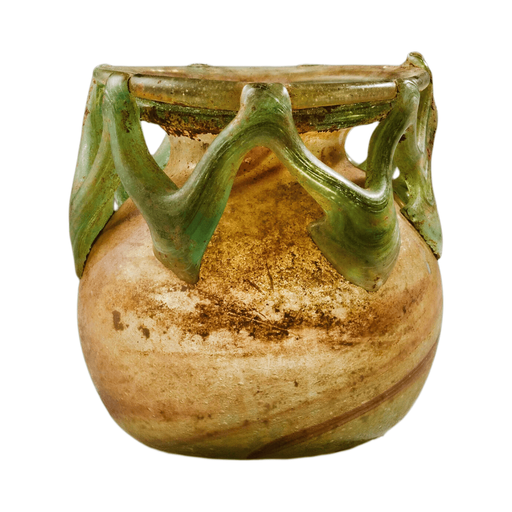
Why this choice suits this profile: This container combines a 750 ml capacity, textured glass and an acacia lid. It will fit right into a kitchen where storage stays on display, whether on a shelf or a worktop.
The product page mentions a silicone seal and states that the wooden lid is not dishwasher-safe. Something to bear in mind before placing your order.
Textured borosilicate glass, a silicone seal and a 750 ml capacity. The lid should be washed by hand and dried after cleaning.
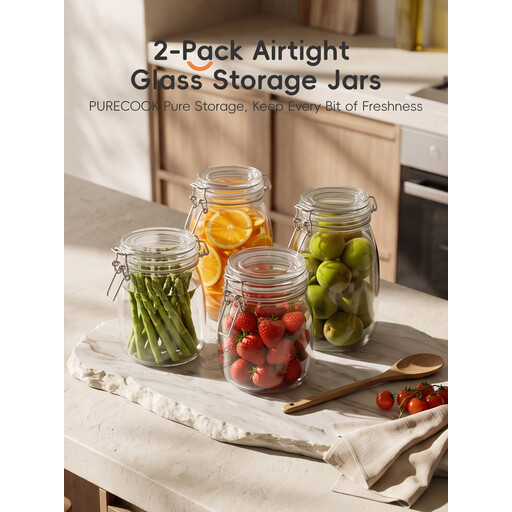
Why this choice suits this profile: The two 700 ml jars are ideal for regular storage of rice, pulses, biscuits, nuts and spices. The side clips make frequent opening easier.
The removable seal and stainless steel clips make the closure system visible and adjustable. However, the product page contains conflicting care instructions: check the label and favour hand washing if in doubt.
Clear borosilicate glass, a food-grade silicone seal and two 700 ml containers. Never pour boiling water into a cold jar.
We’ve put together a comprehensive, real-time updated list of products that fully meet these demanding selection criteria and comply with European safety regulations.
The fridge is generally fine for jars designed for food storage, as long as you follow the manufacturer’s instructions. For the freezer, check that the model is explicitly compatible and leave enough room for the food to expand. Avoid thermal shocks between a very cold container and a hot liquid.
The storage time depends on the type of food, its moisture content, the temperature and how clean the container is. Dry foods should be placed in a clean, completely dry jar. For jams, compotes and leftovers, follow the instructions on the label and observe fridge storage rules after opening.
Wash the glass and the seal separately on a regular basis, then dry them completely before resealing the jar. Check for cracks, deformations or loss of elasticity. If the seal no longer sits properly, replace it as soon as a compatible part is available. The jar itself remains fragile: handle it with care and avoid exposing it to sudden temperature changes.