
Livraison le jour même ou le lendemain

Qualité garantie

Débloquez vos offres de bienvenue: Livraison GRATUITE | Jusqu'à -80 % | 30 jours d'essai gratuits à JoyPlus
Téléchargez l'application
The glass pot has an undeniable appeal: the ability to monitor your cooking at a glance, the assurance of an inert material for healthy, PFAS-free cooking, and, of course, its minimalist aesthetic. However, this piece of cookware requires careful consideration before buying to avoid unpleasant surprises. Between vague marketing claims and misunderstood technical specs, you can easily end up with a beautiful but unusable object.
To make the right choice, let's review the common pitfalls to avoid and the essential criteria to check.
To ensure you don't make a mistake, focus on these three game-changing technical points.
In the kitchen, not all glass is created equal. The only material truly worth considering is borosilicate glass. Unlike standard soda-lime glass, it incorporates boron trioxide. The result? Far superior resistance to thermal shock and high temperatures. A borosilicate glass stockpot is therefore more reliable and safer for use on a direct heat source. This uncoated cookware also guarantees perfect neutrality: no odours or flavours will alter your dishes.
Here, the golden rule is to scrutinise the spec sheet.
It's the details that make the difference for comfortable, risk-free use.
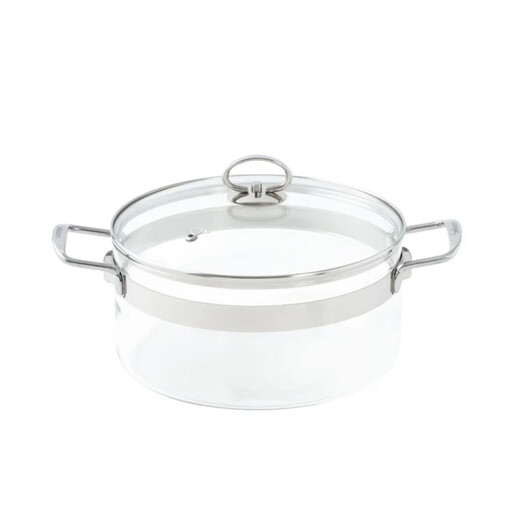
Why we recommend it: Perfect for families who want to keep an eye on their soups, pasta, or stews, while benefiting from a healthy, pure, and completely uncoated material.
Its borosilicate glass construction is clearly specified, minimising the risk of thermal shock. Its spec sheet is transparent: compatible with gas/electric, oven-safe up to 180°C, and induction-ready via an adapter disc.
Its complete transparency allows you to monitor everything without lifting the lid and losing heat. Its inert material guarantees healthy cooking, with no transfer of taste or unwanted particles.
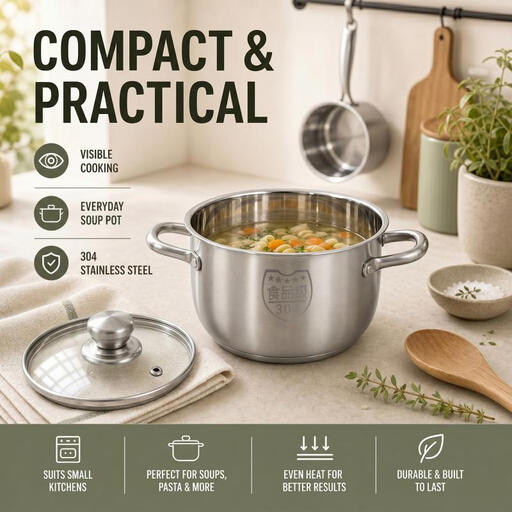
Why we recommend it: For those who love to monitor their food through a glass lid but don't want to compromise on the robustness and versatility of stainless steel for heavy-duty use.
The 304 stainless steel body eliminates any risk of breakage from thermal shock. Its all-hob compatibility, including induction, is a major advantage that prevents unpleasant surprises upon delivery.
It combines the durability and even heat distribution of stainless steel with the convenience of a tempered glass lid for monitoring cooking. The best of both worlds.
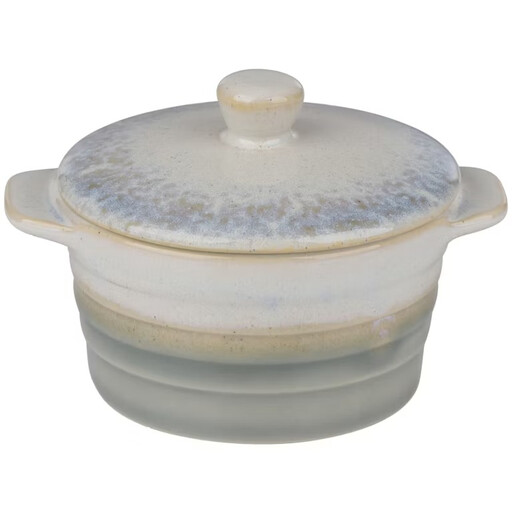
Why we recommend it: Ideal for preparing and serving gratins, soups, or desserts in individual portions. It goes straight from the oven to the table for a flawless presentation.
The product description is very clear: this ceramic piece is not designed for use on a cooktop. This helps avoid the most common purchasing mistake for this type of item.
Its individual size makes it highly versatile: for oven cooking, table service, and even storing leftovers. The ceramic offers excellent thermal inertia to keep dishes warm for longer.
Discover our full selection of products that meet our quality and safety standards.
No, a 100% glass pot is incompatible with induction because the material is not ferromagnetic. To use it, you must place an induction adapter disc between the cooktop and the pot. Always check if the manufacturer authorises this practice.
To maintain its clarity, hand washing with hot water, dish soap, and a soft sponge is ideal. Most importantly, let it cool down completely before immersing it in water to avoid any thermal shock. For limescale marks or stubborn stains, a soak in warm water with a splash of white vinegar works wonders.
It all comes down to material and properties. The glass pot (especially borosilicate) is lightweight, transparent, and completely inert, which is perfect for monitoring cooking and ensuring a healthy meal. The enamelled cast iron Dutch oven, which is much heavier, offers unparalleled thermal inertia: it stores and distributes heat very evenly, making it unbeatable for dishes that need to simmer for hours. The choice therefore depends on your priorities: lightness and visual control for glass, or heat retention and slow cooking for cast iron.