
Livraison le jour même ou le lendemain

Qualité garantie

Débloquez vos offres de bienvenue: Livraison GRATUITE | Jusqu'à -80 % | 30 jours d'essai gratuits à JoyPlus
Téléchargez l'application
An essential item in any serious kitchen, a good glass oven dish is a true workhorse. Versatile enough to go from the oven to the table and then to the fridge, it simplifies everything from meal prep to cleanup. The problem? The market is flooded with models that look identical but often hide deal-breaking flaws. Before you invest, it's crucial to know how to navigate the marketing traps that can turn a promising purchase into a disappointment.
As product selection experts, our mission is to help you navigate the options. Here are the key points to watch out for to make an informed and lasting choice.
The 3 Pitfalls to Avoid When Buying a Glass Dish?:
To choose a glass baking dish that truly delivers on its promises, focus on these non-negotiable technical specifications.
The first and most important selection criterion is the type of glass.
A borosilicate glass dish is a guarantee of a durable investment for intensive, hassle-free use.
A good dish should, above all, simplify your life. Before buying, always check the manufacturer's icons or instructions regarding:
The lid is the game-changing detail. A glass lid is often oven-safe (perfect for a glass casserole dish), while a plastic lid is typically reserved for cold storage.
The shape of your dish determines its use:
Match the capacity in litres to your household size: a single person or a couple will be fine with 0.8?L to 1.5?L, while a family will need dishes from 2?L to 4?L.
To put theory into practice, here is our selection of models that tick all the right boxes for different uses.
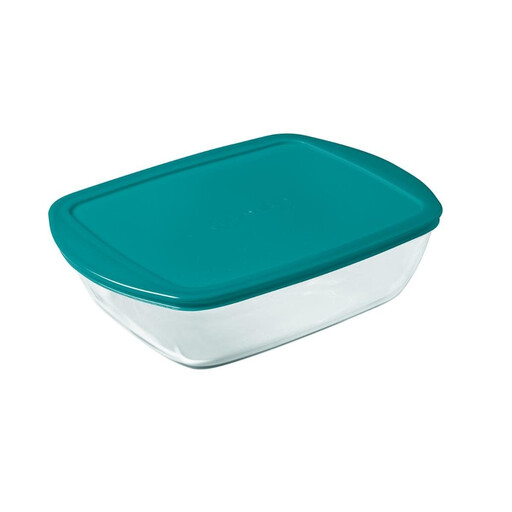
Why it's a great choice : This is the quintessential versatile model for families. Its size is ideal for a gratin dauphinois or lasagna. The "Cook & Store" system is designed for daily life: you cook in the glass dish, then snap on the plastic lid to store leftovers in the fridge.
It clearly addresses the incompatible lid trap. The manufacturer states in black and white that the plastic lid is not for oven use, which prevents any confusion or unpleasant surprises.
Made of borosilicate glass, it offers excellent resistance to heat and scratches. Its stackable design is a real plus for optimising storage.
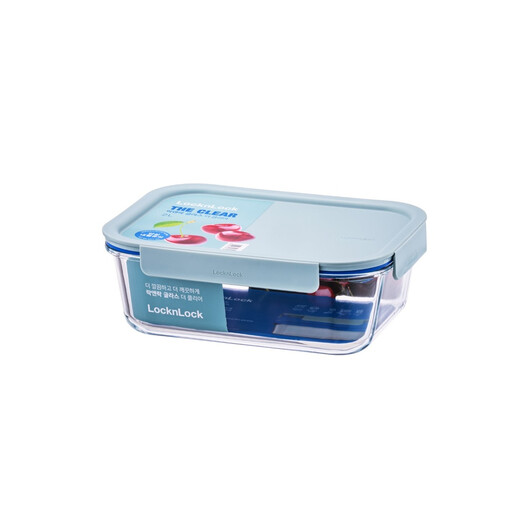
Why it's a great choice : For those who prepare their meals for the week in advance, this container is a powerful ally. Its large 2-litre capacity allows for storing generous portions, and its clip-on lid with a silicone seal ensures a perfectly airtight closure, ideal for leak-proof transport.
It tackles the trap of vague composition. The product is clearly identified as being made of borosilicate glass of high quality, with a specified thermal shock resistance. Total transparency on its durability.
The airtight locking system preserves food freshness and prevents odours from spreading in the fridge. Its compatibility with the freezer, microwave (without lid), and dishwasher makes it extremely practical.
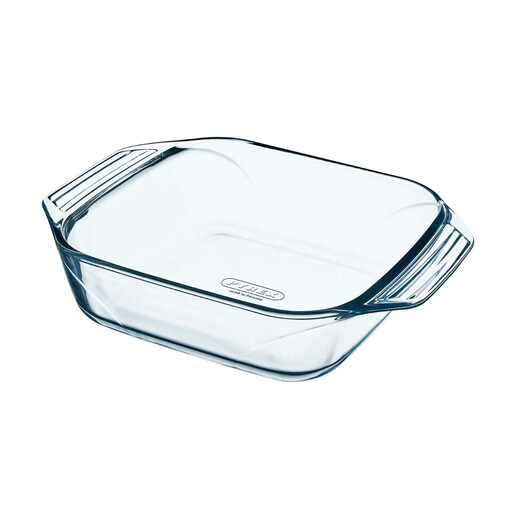
Why it's a great choice : When you're cooking for a crowd, you need space. With its generous dimensions (29x23 cm) and 2.4 L capacity, this dish is perfect for family meals. Its glass lid is a major asset: it's oven-safe for slow-cooking, which keeps meats tender and dishes moist.
It debunks the myth of fragile glass. Made from borosilicate glass specifically for baking, it's designed to withstand high temperatures and thermal shock (from -20 °C to 200 °C), offering the robustness expected from a true baking dish.
The glass lid is fully oven-compatible, which helps retain moisture and flavours during cooking. The integrated handles make it easy to handle (with oven mitts, of course!).
We have compiled a complete and up-to-date list of products that meet these strict selection criteria and safety regulations.
1. Can you put a glass dish directly from the refrigerator into the oven?
Even though borosilicate glass is designed to resist thermal shock, it's best to be cautious. Most manufacturers, including Pyrex, recommend letting the dish return to room temperature for a few minutes before putting it in the oven. Moving a dish directly from the freezer to a very hot oven is strongly discouraged to minimise any risk of cracking. The best practice: always read your product's instructions.
2. How do you clean a glass gratin dish with heavily baked-on food?
Forget abrasive sponges or steel wool, which could scratch the surface. The best method is to let the dish soak in hot water with washing-up liquid. For really stubborn residue, create a paste with baking soda and a little water, apply it to the affected areas, let it sit for an hour, then gently scrub with a non-abrasive sponge.
3. What is the difference between a gratin dish and a glass casserole dish?
A glass gratin dish is typically shallow, rectangular or oval, and designed for baking where a browned surface is desired (gratins, lasagnas). A glass casserole dish is deeper, often round, and always has a lid. It is intended for longer, slow-cooked oven meals, such as stews or braises, where retaining moisture is essential.