
Livraison le jour même ou le lendemain

Qualité garantie

Débloquez vos offres de bienvenue: Livraison GRATUITE | Jusqu'à -80 % | 30 jours d'essai gratuits à JoyPlus
Téléchargez l'application
Glass noodles, also known as cellophane noodles or bean thread noodles, are a staple of Asian cuisine. Their versatility makes them a key ingredient for soups, salads, spring rolls, and stir-fry dishes. However, when faced with the noodle aisle, choosing the right package can quickly become a headache. Between vague labels and unfulfilled promises of express cooking, it's easy to end up with a disappointing product.
As product experts at Joybuy, our mission is to help you demystify the options. Let's break down the common pitfalls and essential criteria together, ensuring your next purchase is the right one.
The Asian noodle aisle can be bewildering, and labels are often a source of confusion. Here are the two most common mistakes that can ruin your dish... and weigh on your wallet.
To avoid these mishaps, you just need to check two key things on the packaging.
The main ingredient determines the firmness, elasticity, and cooking performance of your noodles.
The right format depends primarily on how you plan to use them.
To guide you, here are a few options that meet specific needs, taking into account the criteria we've just discussed.
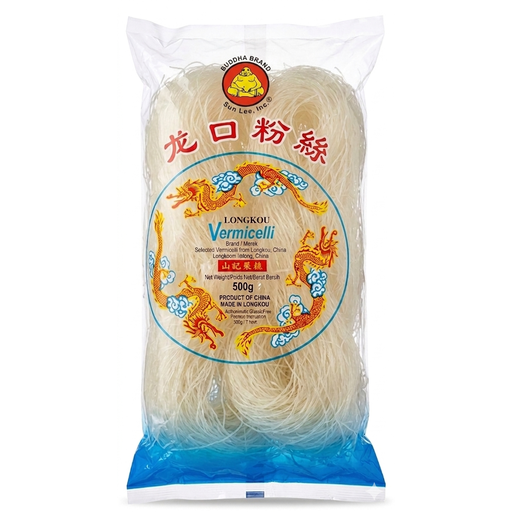
Why it's a great fit for you: Ideal for families and Asian food enthusiasts who cook regularly. Its value-size format is perfect for making a variety of recipes, from spring rolls and soups to salads.
Its clear ingredient list, based on mung bean starch, guarantees a firm and elastic texture that holds up during cooking. Say goodbye to mushy noodles!
Texture holds up perfectly to cooking, even in broth. Naturally gluten-free. Generous 500g format.
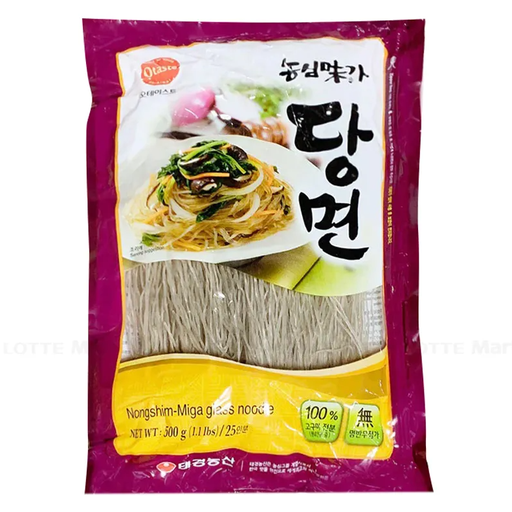
Why it's a great fit for you: Perfect for those on a strict gluten-free diet who are uncompromising on texture and taste. These noodles are the foundation for many Korean dishes, like the famous *Japchae*.
Made exclusively from sweet potato starch, this product eliminates any risk of hidden gluten, unlike starch blends with unclear ingredient lists.
Naturally gluten-free and fat-free. A texture that is both chewy and elastic, perfect for absorbing sauces.
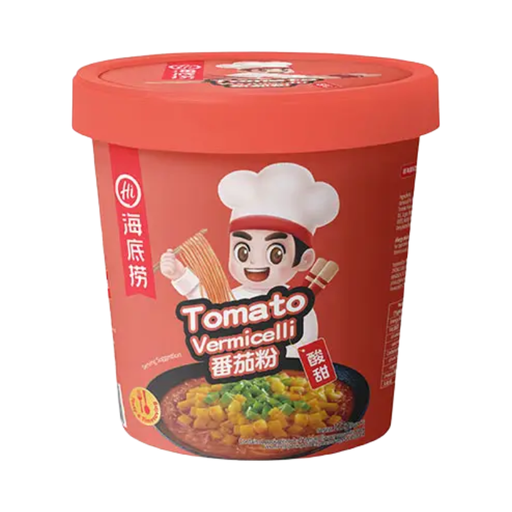
Why it's a great fit for you: The perfect solution for students or busy professionals looking for a quick, simple, and comforting lunch. Its rich and savoury tomato flavour is more crowd-pleasing than spicier alternatives.
This is a true instant noodle product: just pour boiling water into the bowl. No pot cooking is required, which guarantees a foolproof result.
Ultra-convenient all-in-one bowl format. Rich tomato flavour, inspired by the broths of the famous Haidilao restaurant chain.
We have curated a complete list of products that meet our quality and ingredient standards.
The main difference lies in the base ingredient and the final appearance. Glass noodles are made from starches (mung bean, sweet potato, etc.) and become translucent and elastic when cooked. Rice noodles, on the other hand, are made from rice flour and water; they remain opaque and white after cooking and have a softer, less elastic texture.
To maintain their freshness, store them in an airtight container, away from moisture, heat, and light. A simple kitchen cupboard will do just fine. Stored this way, they will keep for several months without any issues.
Yes, when the noodles are made of 100% mung bean starch and water, they are naturally gluten-free. This makes them one of the safest options for people with celiac disease or gluten sensitivity. As a precaution, always check the ingredient list to ensure no other starches (like wheat starch) have been added.