
Livraison le jour même ou le lendemain

Qualité garantie

Débloquez vos offres de bienvenue: Livraison GRATUITE | Jusqu'à -80 % | 30 jours d'essai gratuits à JoyPlus
Téléchargez l'application
Preparing meals in advance, or meal prep, has become second nature for anyone looking to eat better, manage their budget, and reduce their environmental footprint. At the heart of this method, one accessory reigns supreme: the container. The glass meal prep container stands out as the ultimate healthy and sustainable solution, but be warned: the market is saturated with options that fall far short of their promises.
Before you invest, it's wise to understand the common pitfalls that too often turn a good purchase into a disappointment. Many people end up with products that are useless after just a few months, thanks to design flaws that are as common as they are deal-breakers.
Knowing how to spot these weak points is the first step toward making an informed choice and investing in a product that will truly stand the test of time.
To avoid unpleasant surprises, focus on three technical criteria that separate the wheat from the chaff, and a simple gadget from a true ally for your kitchen and on-the-go meals.
The type of glass is arguably the number one criterion. There are two main categories:
The effectiveness of an airtight glass container for the oven and microwave depends on the combination of its locking system and seal. Models with four side-locking clips are far more reliable than lids that simply press on.
But the decisive element is the silicone seal. It must be thick enough to form an infallible barrier against air and liquids. The real bonus? A removable seal. This allows for deep cleaning, which prevents residue buildup and mould growth, thereby extending the life of your container.
A glass dish with a lid is not a single unit. The glass container and its plastic lid have very different properties. It is therefore imperative to check the manufacturer's recommendations for each component:
Different users have different needs. Here is our selection of models that cater to various uses, all while checking our boxes for durability and practicality.
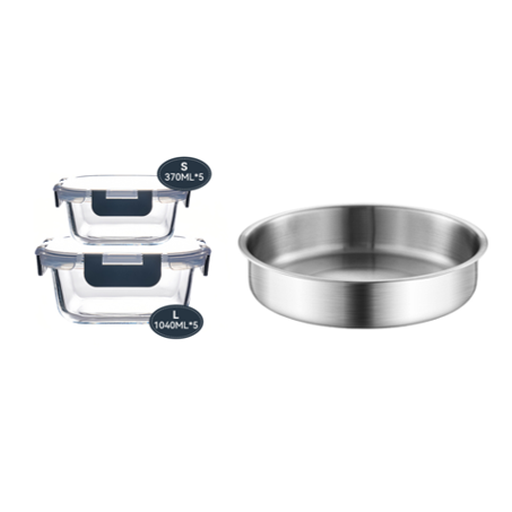
Why we chose it: Ideal for batch cooking enthusiasts who prepare meals for the entire week. This 10-piece set, with its two sizes (1040 ml and 370 ml), offers great flexibility for organising full meals and side dishes. The perfect solution to get equipped with containers for batch cooking.
The borosilicate glass eliminates the risk of cracking from thermal shock. The clip-locking system ensures a foolproof seal, preventing leaks.
A complete and cost-effective set to get serious about meal prep without having to buy items individually.
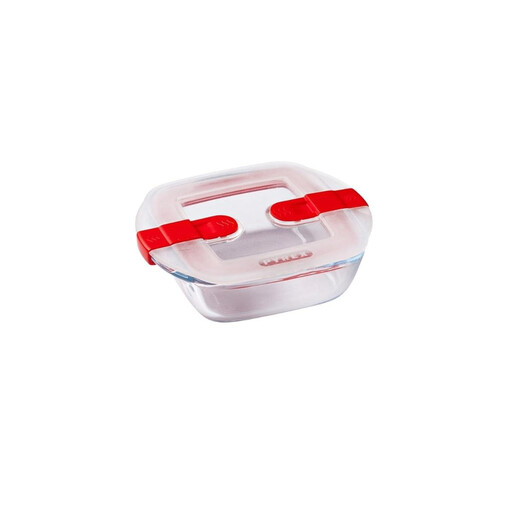
Why we chose it: The compact size of this glass lunch box is perfect for a single serving. It slips easily into a bag for lunch at the office. And Pyrex's reputation for quality glass is second to none.
Its lid is specially designed for the microwave, thanks to its two steam vents, which prevent warping and avoid splatters during reheating.
The vented, airtight lid is optimised for both transport and reheating—a dual function ideal for daily on-the-go use.

Why we chose it: This mid-size format is an excellent compromise. Large enough for a full meal, it's also perfect for baking a small dish, storing leftovers, or taking your lunch to go. A true kitchen multi-tool.
The instructions are clear: the borosilicate glass dish is oven-safe, but its lid is not. The LocknLock clip system, meanwhile, is a benchmark for leak-proof performance.
Its high heat resistance allows it to be used as a baking dish, which reduces washing-up and simplifies meal preparation.
We have curated a complete and up-to-date selection of products that meet our strict selection criteria and safety standards.
It all depends on the model. As a general rule, it's best to avoid putting a plastic lid in the microwave: the heat can warp it or release unwanted substances. However, some lids are designed for this purpose and are equipped with steam vents. It is essential to open them before reheating. When in doubt, the precautionary principle applies: remove the lid.
The number one cause is thermal shock. To avoid this, never move a glass dish directly from the freezer to a preheated oven. Let it return to room temperature for about thirty minutes first. Another golden rule: never pour cold liquid into a hot glass dish. Finally, choosing borosilicate glass for oven cooking remains the best guarantee against this type of accident.
Proper maintenance is the key to longevity. Our advice: remove the silicone seal from the lid at least once a week to clean it separately. Wash it by hand with hot, soapy water, rinse it thoroughly, and, most importantly, let it air dry completely before putting it back in place. This simple step prevents the growth of bacteria and mould while preserving the container's airtight seal.