
Same-day & Next-day Delivery

Quality Guaranteed

Unlock Your Welcome Offers: FREE Delivery | Up to 80% OFF | Free 30-day JoyPlus trial
Download the APP
Choosing a glass jar for food storage is a smart move. Healthy, durable, and stylish, it ticks all the boxes for organising your kitchen and preserving the freshness of your food. But be warned: not all jars are created equal. A lid that warps, a crack after being heated, or a seal that's no longer airtight... These all-too-common mishaps can quickly turn a good investment into a real disappointment.
So, before you stock your shelves, it's essential to know how to spot the features that make all the difference. We'll explain how to sidestep the most common traps and choose containers that will truly deliver on their promises.
While marketing often praises their aesthetics, their true day-to-day value lies in technical details that are too often overlooked.
For flawless kitchen organisation and optimal food preservation, three technical points deserve your full attention.
The difference is significant. Standard glass is budget-friendly but fragile when it comes to temperature changes. Borosilicate glass, on the other hand, is specifically designed to handle thermal shock.
The airtightness of your jar depends entirely on its sealing mechanism.
Always check the manufacturer's recommendations. A good glass food container should make your life easier. Compatibility with the dishwasher (for the jar and sometimes the lid), microwave, and freezer are major assets that easily justify a slightly higher initial cost.
Because every kitchen and every need is unique, here is our selection of jars suited for different uses.

Why we chose it: The perfect companion for meal prep fans. Its all-in-one design lets you cook, store, transport, and reheat in the same container. A huge time-saver that also means less washing up.
Its borosilicate glass body handles thermal shock without flinching, eliminating the risk of cracks when moving between the fridge and the microwave. The clip-lock system guarantees a perfect, long-lasting airtight seal.
Absolute versatility: freezer, microwave, and dishwasher safe. A true all-in-one glass food container.
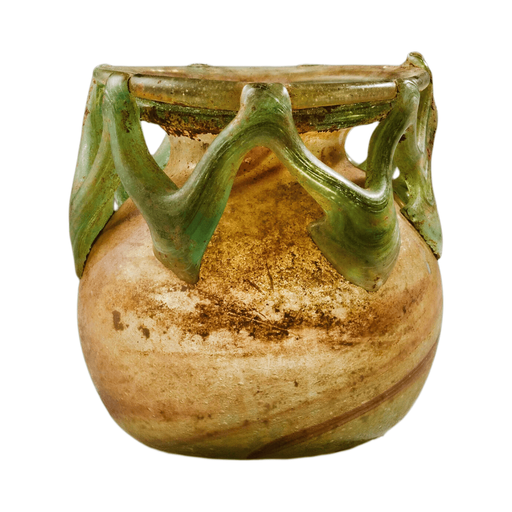
Why we chose it: For those who believe storage should be stylish. This jar isn't meant to be hidden away; it's designed to be proudly displayed on a worktop or shelf, perfectly blending form and function.
Its acacia wood lid is fitted with a food-grade silicone seal. The result: a reliable airtight seal, free from the risks of mould or warping common with low-quality wooden lids.
Its textured, amphora-inspired design and hammered glass bring a rare touch of elegance that transforms kitchen organisation.
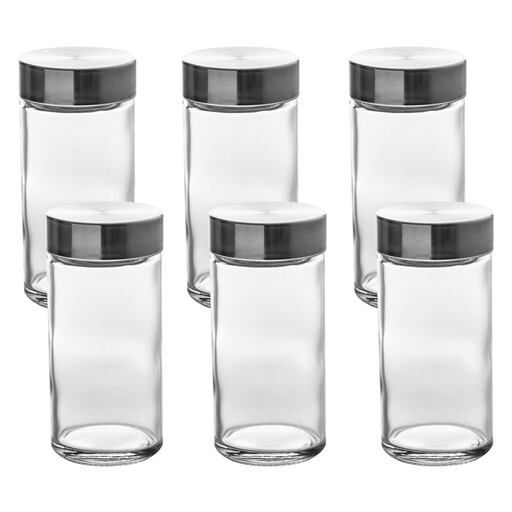
Why we chose it: Ideal for tidying up and standardising your collection of spices and dried herbs. This set helps you create a visually cohesive and much more practical setup for daily use.
This set ends the headache of mismatched jars with unreliable seals. By offering a complete and uniform solution, it focuses on simplicity and durability.
The compact size and uniform design optimise storage. It creates instant visual harmony, whether in a drawer or on a shelf.
Discover our full selection of products that meet our quality criteria and current safety standards.
It all comes down to chemical composition, and therefore, heat resistance. Borosilicate glass contains boron trioxide, which allows it to withstand significant temperature changes without shattering. Soda-lime glass, which is more common and economical, is vulnerable to thermal shock. For shuttling containers between the fridge and the microwave, borosilicate is the only truly safe choice.
A wooden or bamboo lid requires a bit more care than a glass or plastic one. To prevent it from warping or growing mould:
No. An airtight jar is very effective at protecting food from moisture, air, and pests, which significantly extends its shelf life and preserves its flavour. However, it cannot stop the natural process of oxidation and ageing in food; it only slows it down dramatically. The best practice: label your jars with the date to ensure proper stock rotation.