
Same-day & Next-day Delivery

Quality Guaranteed

Unlock Your Welcome Offers: FREE Delivery | Up to 80% OFF | Free 30-day JoyPlus trial
Download the APP
Adopting a healthier, more organised lifestyle often starts in the kitchen. Whether you're replacing plastic, preserving food freshness, or simply beautifying your cupboards, the glass jar has become an essential item. But be warned: not all jars are created equal. It's easy to make the wrong choice when you're caught between marketing promises and the realities of daily use.
I'm the Head of Product Recommendations at Joybuy, and my mission is to guide you. Together, let's break down the pitfalls to avoid and the essential criteria for making a smart, sustainable purchase that's truly tailored to your needs.
The market is flooded with options, but many have hidden flaws that only become apparent once you get them home. Here are the key things to watch out for.
To avoid these disappointments, focus on three technical specifications that make all the difference.
This is THE number-one criterion for durability and safety.
The effectiveness of an airtight jar relies on the combination of its gasket and locking mechanism.
The ideal glass jar with a lid is one that fits seamlessly into your daily routine. Always check the compatibility of each component (jar and lid) with:
While very aesthetic, bamboo or acacia lids require hand-washing and immediate drying to prevent them from warping or growing mould.
Instead of searching for one "perfect" jar that does it all, it's better to choose a model suited for a specific purpose. Here are our recommendations for different needs.
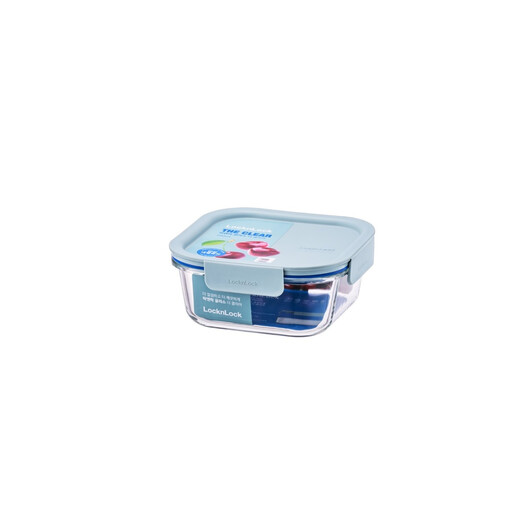
Why we chose it: This glass food container is the ultimate ally for *meal prepping*. Its 750 ml size is perfect for a single serving, and its versatility is a major asset: you can cook, store, transport, and reheat all in the same container.
Its borosilicate glass body handles thermal shock without flinching, eliminating the risk of cracking. The four-clip lid guarantees a truly airtight, leak-proof seal.
Total versatility (oven, microwave, freezer). Ultra-sturdy and reliable clip-on lid for transport.
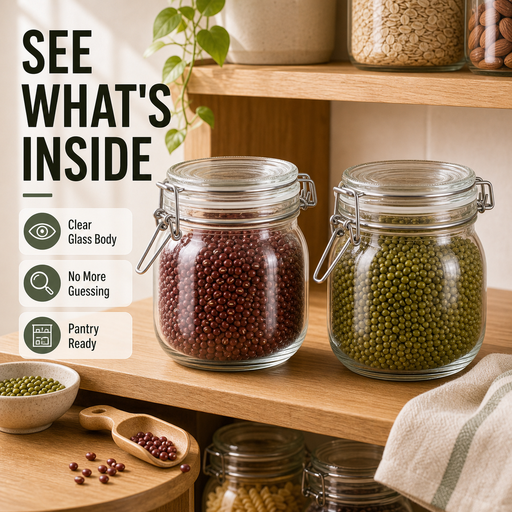
Why we chose it: Perfect for bringing order to your pantry. This set allows you to store your dry goods (pasta, rice, legumes, biscuits) stylishly and safely, protected from moisture and pests.
Its stainless steel wire-bail closure, paired with a quality silicone gasket, ensures a foolproof seal that is far more durable than simple screw-on lids.
Ultra-reliable mechanical closure for optimal bulk food storage. The borosilicate glass is non-porous: it resists both stains and odours.
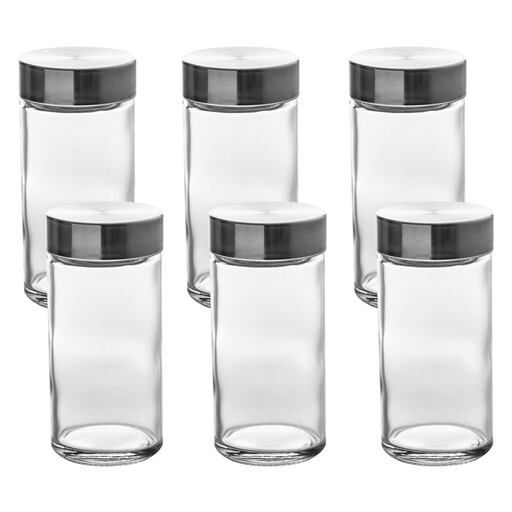
Why we chose it: The perfect solution for organising your spice collection without breaking the bank. This set of six small glass jars offers uniform, practical, and aesthetic storage, allowing you to see and grab your condiments at a glance.
This set gets straight to the point: it meets a specific need (organisation) with a simple and effective product. It doesn't promise a perfect seal, but it's ideal for storing everyday spices.
Excellent value for money. Clean, transparent design to identify contents instantly.
Discover our full selection of products that meet our strictest quality and safety standards.
Not always. For storing dry goods (pasta, cereal, biscuits) in a cupboard, a good-quality soda-lime glass jar will do the job perfectly. However, borosilicate glass becomes essential as soon as the jar needs to withstand temperature shocks, such as going into the microwave, oven, or freezer. It's a true guarantee of safety and durability.
Inspect the sealing system. A thick, flexible silicone gasket is a good start. Clip-on or wire-bail mechanisms apply much stronger and more even pressure than a simple screw-on lid, making them more reliable, especially if you plan to transport your airtight jar.
No, and this is a critical point to watch for. High-quality plastic or silicone lids are generally dishwasher-safe, but you should always check the manufacturer's instructions. On the other hand, wooden or bamboo lids must be washed by hand and dried immediately. Otherwise, they risk swelling, cracking, or growing mould, which ruins both their appearance and their seal.