
Livraison le jour même ou le lendemain

Qualité garantie

Débloquez vos offres de bienvenue: Livraison GRATUITE | Jusqu'à -80 % | 30 jours d'essai gratuits à JoyPlus
Téléchargez l'application
Saying goodbye to plastic for food storage is a major trend. Driven by health and environmental concerns, or simply the search for more durable and versatile solutions, this transition raises a key question: how do you choose the right glass food container? Faced with a plethora of options, it's easy to feel overwhelmed.
This guide is here to help you navigate the choices. As a product expert at Joybuy, I'm sharing my tips for finding the containers that will truly fit your daily routine, whether for meal prepping, storing leftovers, or even oven cooking.
Before we get to our top picks, let's review the essential criteria for making the right choice.
Not all glass is created equal, especially in the kitchen. Borosilicate glass is often the gold standard for food containers. Its secret? A composition that gives it exceptional resistance to thermal shock. In practical terms, you can move a glass dish with a lid from the fridge to the oven (following the usual precautions) without the risk of it cracking. This is a decisive advantage for pfas-free healthy cooking and a powerful ally for any meal prep container, which needs to handle both hot and cold temperatures.
Don't underestimate the lid: it's as crucial as the container itself. For an airtight glass lunch box that you take on the go, a lid with clips and a silicone seal is your guarantee against leaks. For storage at home, a simple drop-on lid may suffice. Your intended use will dictate the choice: transporting soup has different requirements than storing dry goods or freezing a dish. The lid's material (BPA-free plastic, wood, glass) will also affect its maintenance and compatibility with the microwave or dishwasher.
A good glass food container simplifies your life. Opt for versatile models that are freezer, oven (without the lid), microwave, and dishwasher safe. For storage, square or rectangular shapes reign supreme for optimising space in your cupboards and fridge. The transparency of the glass also allows you to identify the contents at a glance.
It's time for our top picks! Here are some models that stand out from the crowd, each designed for a specific need.
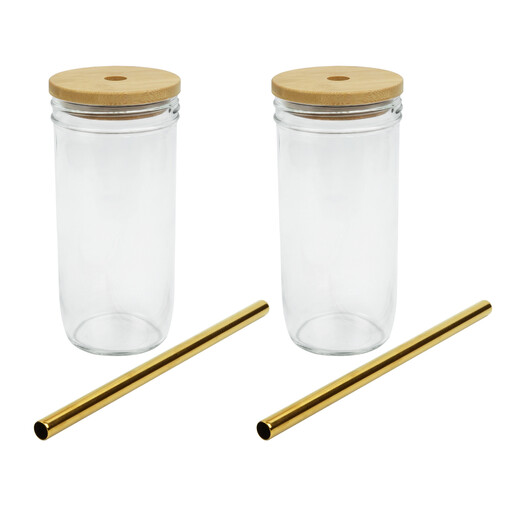
Why we love it: This set perfectly blends aesthetics with practicality. With its wooden lid and stainless steel straw, it's as beautiful as it is useful, ideal for your cold drinks.
Advantages:
Who is it for? For fans of stylish homemade drinks who are looking for a glass jar that is as decorative as it is functional.
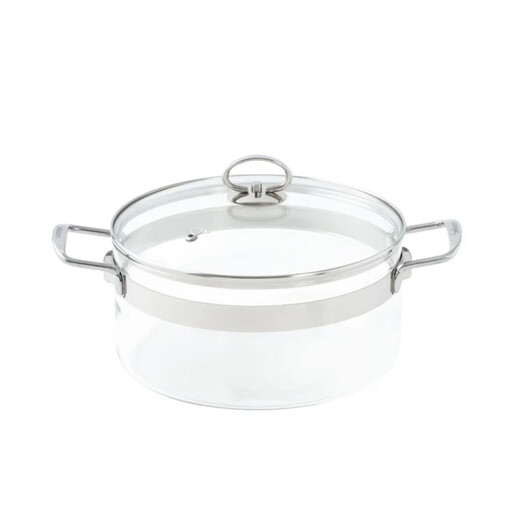
Why we love it: A 100% glass stockpot designed to go directly on the hob (gas and electric). Its transparency is a real bonus: you can monitor your cooking at a glance without lifting the lid and losing heat.
Advantages:
Who is it for? For cooking enthusiasts who want to combine pfas-free healthy cooking with the originality of a designer utensil for simmering and serving their dishes.
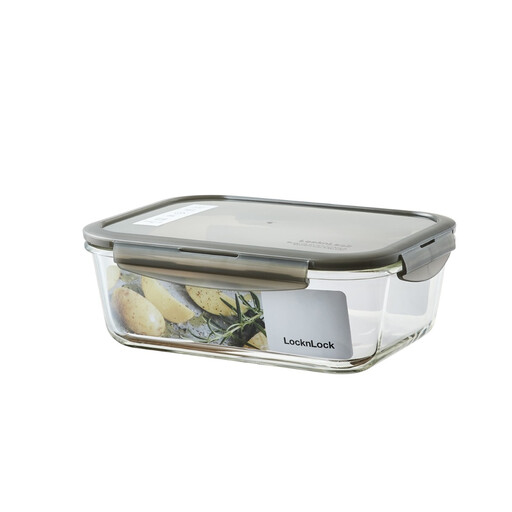
Why we love it: This is the Swiss Army knife of glass food storage containers. Its ultra-durable borosilicate glass dish and clip-on lid make it a foolproof ally for everyday use.
Advantages:
Who is it for? For the masters of the meal prep container, organised families, and anyone looking for THE all-in-one solution to store, freeze, cook, and reheat.
This selection covers several needs, but yours might be different. Need another size? Want a complete set to equip your kitchen? Other models are waiting for you.
? Discover our full range of Glass Containers with Lids for the Freezer to find the right format for you.
Absolutely! Most glass food containers, especially those made of borosilicate glass, handle freezing very well. Pro tip: for liquids (soups, sauces), always leave 2-3 cm of empty space at the top of the container. They expand as they freeze! And of course, avoid thermal shock: never put a dish straight from the freezer into a preheated oven.
Standard (or soda-lime) glass is what our drinking glasses or jam jars are made of. It's sturdy but doesn't handle sudden temperature changes well. Borosilicate glass, enriched with boron oxide, is a champion of thermal shock resistance. It's the glass of choice for oven dishes and laboratory equipment.
The glass dish can go in the dishwasher without any problem. For the lid, the secret is to occasionally remove the silicone seal for a separate cleaning. This is the best way to prevent residue or mould build-up and ensure impeccable hygiene while extending the life of the seal. Remember to let each part dry completely before reassembling.