
Livraison le jour même ou le lendemain

Qualité garantie

Débloquez vos offres de bienvenue: Livraison GRATUITE | Jusqu'à -80 % | 30 jours d'essai gratuits à JoyPlus
Téléchargez l'application
Switching from plastic to glass is an excellent move towards a healthier, more sustainable kitchen. But with an overwhelming selection and sometimes misleading marketing claims, how can you be sure you're making the right choice? As a product expert at Joybuy, I'm here to help you avoid the common pitfalls and select the perfect container.
Before you take the plunge, watch out for these 3 very common unpleasant surprises?:
Knowing how to spot these flaws is essential for investing in a reliable product that will last for years.
To avoid disappointment, here are the few technical points you absolutely must check. This is what separates a simple gadget from a true kitchen ally.
The type of glass is THE deciding factor. Most entry-level containers are made of soda-lime glass, the same as your drinking glasses. It handles thermal shock very poorly.
For all-purpose use (freezer, microwave, oven), it is imperative to choose a glass dish with a lid made of borosilicate glass. This material is specially designed to withstand extreme temperature changes. It's what allows you to safely move a dish from the freezer to the oven without the risk of it shattering. Another major advantage: it's non-porous, so it doesn't absorb odours, stains, or flavours.
A foolproof seal relies on two key elements?:
A good locking system is crucial for a portable glass lunch box or for optimal food preservation in the fridge.
Always check the compatibility of each part with your appliances:
Instead of an endless list, we've selected models that each meet a specific need. It's up to you to find the one that fits your lifestyle.

Why we love it : Ideal for meal preppers who prepare their lunches for the week. Its 630 ml capacity is perfect for a single serving, and its rectangular shape slides easily into a bag. The perfect glass lunch box for the office.
Its 4-clip locking system and quality silicone gasket protect you from the "false seal" trap. Leak-proof transport guaranteed !
Its borosilicate glass body allows it to go straight into the microwave (without the lid) when you get to the office. How convenient !

Why we love it : With its generous 2-litre capacity, this dish is perfect for storing dinner leftovers, a family-sized casserole, or a large mixed salad. It goes directly from the fridge to the oven to reheat everything.
Its borosilicate glass construction makes it immune to thermal shock. It's designed to go in the oven (up to 400 °C, without the lid).
One dish to cook, store, reheat, and serve at the table. Its large size is the perfect partner for "batch cooking".

Why we love it : The ideal solution for getting fully equipped at once. This glass food storage container set covers all daily needs with its two very versatile sizes (1040 ml and 370 ml).
This set checks all the boxes: borosilicate glass to prevent thermal shock and clip-on lids for a reliable seal. It helps you avoid the classic disappointments.
An excellent starter kit. With 10 pieces, it covers the essentials, from a small portion of sauce to a full meal.
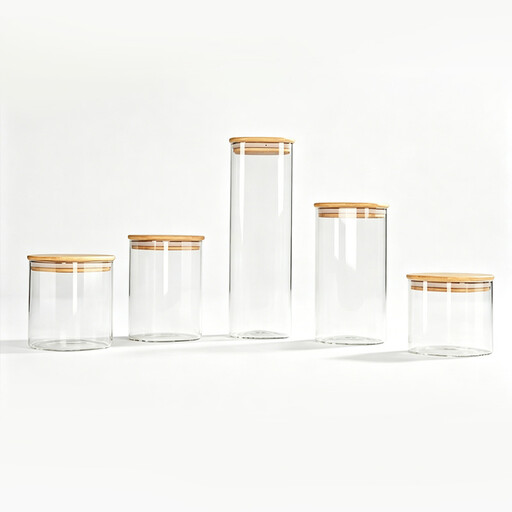
Why we love it : For those who want to combine organization and style in the kitchen. This set of glass jars is designed for storing dry goods (pasta, rice, lentils, flour...). The minimalist design and wood-effect lid look great on a shelf.
Their mission is clear: dry storage. There's no room for confusion—they are not made for the oven, which prevents accidents.
The set of 5 assorted sizes allows you to create a harmonious and perfectly organized collection, while protecting food from moisture with airtight lids.
Discover our full selection of products that meet our quality criteria and current safety standards.
As a general rule, no. Most lids are made of plastic (often polypropylene, or PP) and cannot withstand the intense heat of an oven. For the microwave, it's best to remove it or simply place it on top of the container without locking it, to allow steam to escape. When in doubt, always consult the manufacturer's instructions.
For perfect maintenance, remove the gasket from the lid once a week and wash it with hot, soapy water. If a stubborn odour (garlic, curry...) lingers, let it soak for an hour in a mixture of warm water and white vinegar. Remember to dry it thoroughly before putting it back.
No. Its huge advantage is its resistance to thermal shock, which is far superior to that of ordinary glass. The risk of it breaking when going from cold to hot is therefore minimal. However, it is still glass: it can shatter if dropped or subjected to a sharp impact. It should therefore be handled with a minimum of care.