
Same-day & Next-day Delivery

Quality Guaranteed

Unlock Your Welcome Offers: FREE Delivery | Up to 80% OFF | Free 30-day JoyPlus trial
Download the APP
Prepping meals in advance, or “?meal prep?”, is the game-changer for eating healthier, saving time, and controlling your budget. At the heart of this meticulous planning, one accessory reigns supreme: the food storage container. Glass stands out as the ideal material, being both healthy and durable. But be warned, not all glass container sets are created equal. To prevent your investment from turning into a headache (or a leak in your bag), here are the pitfalls to avoid before you buy.
Marketing is great at touting benefits that don't hold up in practice. Here are the key things to watch out for to avoid buyer's remorse.
To make the right choice, ignore the marketing speak and focus on the technical details that truly make a difference.
There are two main types of glass. Soda-lime glass, which is common and inexpensive, handles thermal shock very poorly. For all-purpose use (freezer, fridge, microwave, and oven), borosilicate glass is non-negotiable. Its low thermal expansion ensures unmatched resistance, allowing you to take a dish from cold to hot without transferring it and, most importantly, without risking cracks.
A good airtight food container relies on a dynamic duo:
The lid is just as crucial as the container itself. Demand a BPA-free (Bisphenol A) certification, a controversial chemical compound. Quality PP (polypropylene) plastic lids offer good durability and won't warp after the first run through the dishwasher. The added bonus? An air vent, which allows you to microwave with the lid on (slightly open) to prevent splatters.
Rather than searching for a “perfect” product that doesn't exist, it's better to choose gear that fits your habits. Here are our recommendations for three distinct needs.
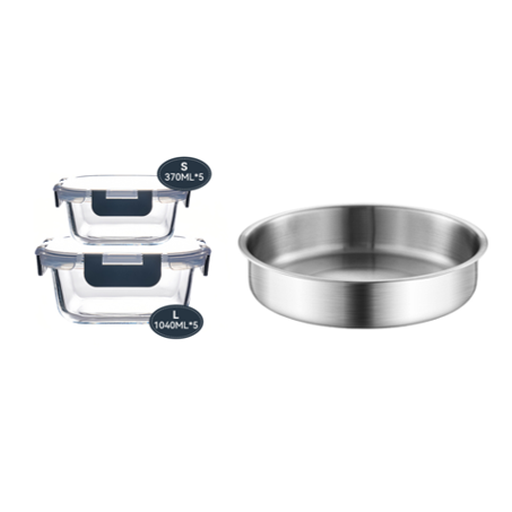
Editor's Take: Perfect for getting started or upgrading your entire setup at once. This smart set combines containers of two different sizes (for a main course and a side) with a stainless steel serving dish. A true all-in-one meal prep kit.
The borosilicate glass allows for fridge-to-oven use, eliminating the risk of cracking. The “snap-lock” lids guarantee an excellent seal, putting an end to the nightmare of leaks.
The combination of glass storage containers and a stainless steel dish creates a complete ecosystem, from prep to serving, with healthy materials built to last.
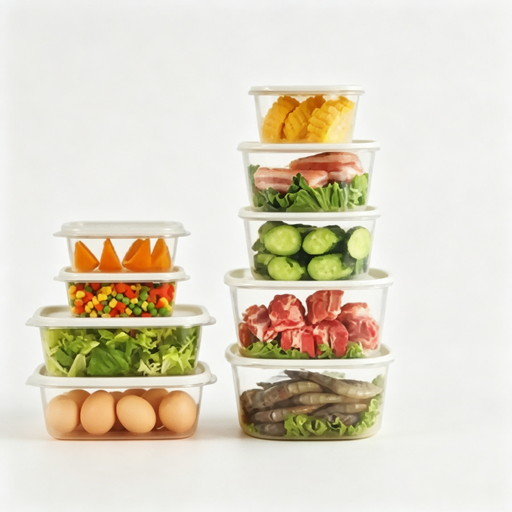
Editor's Take: For those who carry their lunch every day, reliability isn't optional. This 9-piece set offers a variety of sizes, perfect for assembling a complete lunch box (main, appetiser, dessert) without mixing flavours and, most importantly, without risking a disaster in your bag.
The “Airtight Leakproof” promise is central to the product. The locking system is designed for transport, directly tackling the #1 pitfall of leaky containers.
The variety of sizes offers perfect modularity for portion control and meal organisation, whether for the office or for healthy, BPA-free food storage at home.
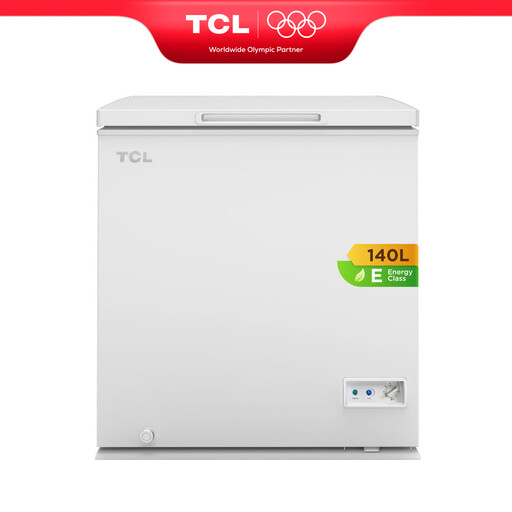
Editor's Take: When you scale up to large-batch cooking, storage becomes the main challenge. This chest freezer is the perfect partner for a good set of glass containers. It lets you store weeks of meals, take your organisation to the next level, and drastically reduce waste.
It solves the problem of limited space. No more overstuffed, unstable freezer compartments in your fridge. A dedicated freezer ensures a consistent temperature and optimised storage for all your prepped meals.
Its 140L capacity, storage basket, and self-balancing lid radically simplify organisation and access to your meals. It makes batch-cooking a breeze.
To get the most out of your freezer and keep your containers methodically organised, the right accessories make all the difference. Discover our selection.
It all depends on the quality of the glass and the care given to the lids. A borosilicate glass container is virtually eternal if it doesn't suffer major impacts. The lids and seals are the real wear-and-tear parts. To preserve them, washing by hand or in the top rack of the dishwasher with a mild detergent will extend their effectiveness for several years.
This is a classic trap! For the oven, the answer is a hard no: almost all plastic lids cannot withstand such high heat. For the microwave, it depends on the model—check the instructions. If it's allowed, always open the air vent or simply rest the lid on top without clipping it shut to let steam escape. When in doubt, remove it and use a dedicated microwave cover.
Glass, being non-porous, is immune. Plastic, however, is more susceptible. The best defence is to wash the lid immediately, especially after it's held a saucy (tomato, curry) or very fragrant (fish, garlic) dish. For a stubborn odour, a soak in warm water with baking soda works wonders. Finally, avoid microwaving greasy or tomato-based dishes with the lid on, as direct contact encourages stains to set.